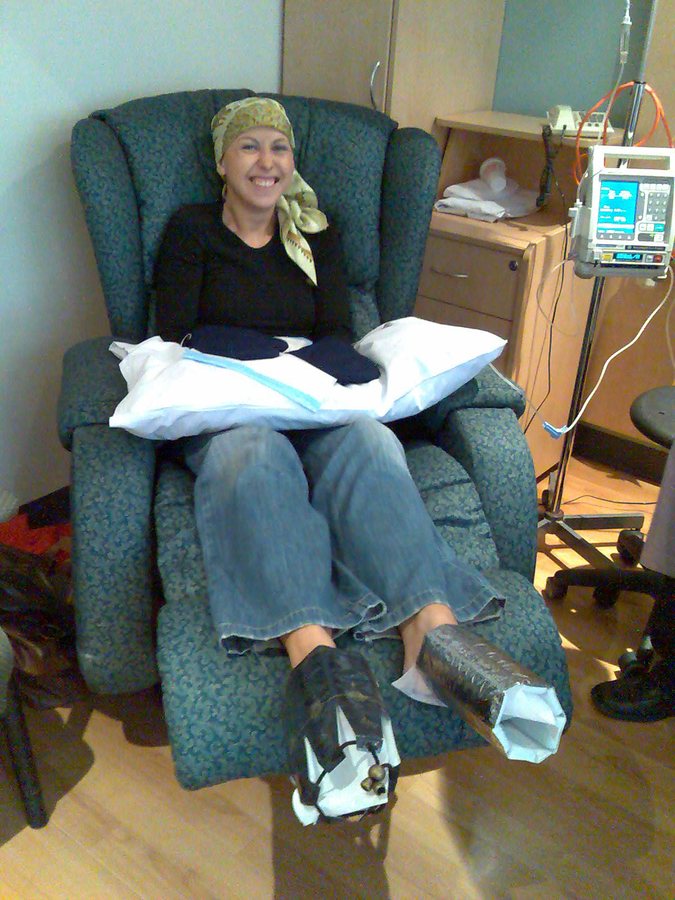
A five-year secondary analysis of the phase 2 PHERGain trial supports a PET-guided adaptive approach that reduces chemotherapy for some patients with HER2-positive early breast cancer. The results, published in Nature Medicine, also offer exploratory insights from circulating tumor DNA that could help guide later treatment decisions.
HER2-positive breast cancer is a subtype in which tumor cells overproduce the HER2 protein, a form of the disease that has historically been treated with intensive chemotherapy alongside targeted therapy. The PHERGain trial was designed to test whether patients who respond well early in treatment can safely receive less chemotherapy, using positron emission tomography, or PET, imaging to assess how the tumor is responding and to decide whether to adjust the regimen.
The five-year follow-up is significant because early results in de-escalation studies must show that reducing treatment does not compromise long-term survival. By extending observation to five years, the investigators examined whether the adaptive strategy's benefits held over time, and the analysis is framed by its authors as supporting the clinical utility of the approach.
Alongside the survival-focused findings, the researchers conducted exploratory analyses of circulating tumor DNA, fragments of tumor-derived genetic material that can be detected in a patient's blood. These analyses are described as providing insights that could inform further treatment strategies, although they are exploratory rather than definitive and would require confirmation in larger studies before informing routine practice.
The work sits within a broader effort in oncology to tailor treatment intensity to individual patients rather than applying one regimen to everyone with a given diagnosis. Reducing unnecessary chemotherapy can spare patients from side effects, which is a central goal in the management of early-stage cancers where many patients are cured and long-term quality of life matters.
A separate study in the same field, a phase 3 randomized trial of prone positioning and high-frequency oscillatory ventilation in early pediatric acute respiratory distress syndrome, reported no evidence that either strategy improves ventilator-free days as a first-line approach in patients with early, moderate-to-severe disease. Its authors concluded that routine use of these strategies in this population is not recommended. That finding concerns critical care rather than oncology, but it reflects the same clinical-trial principle at work in the PHERGain study: that promising interventions must be tested rigorously before they become standard practice.
19