The spread of farming across northern Europe was not only a movement of people and crops. It also required moving animals through landscapes that had never before supported domestic herds. Isotope analysis of early cattle from the Swifterbant region now provides a detailed look at how some of those animals were managed and transported.
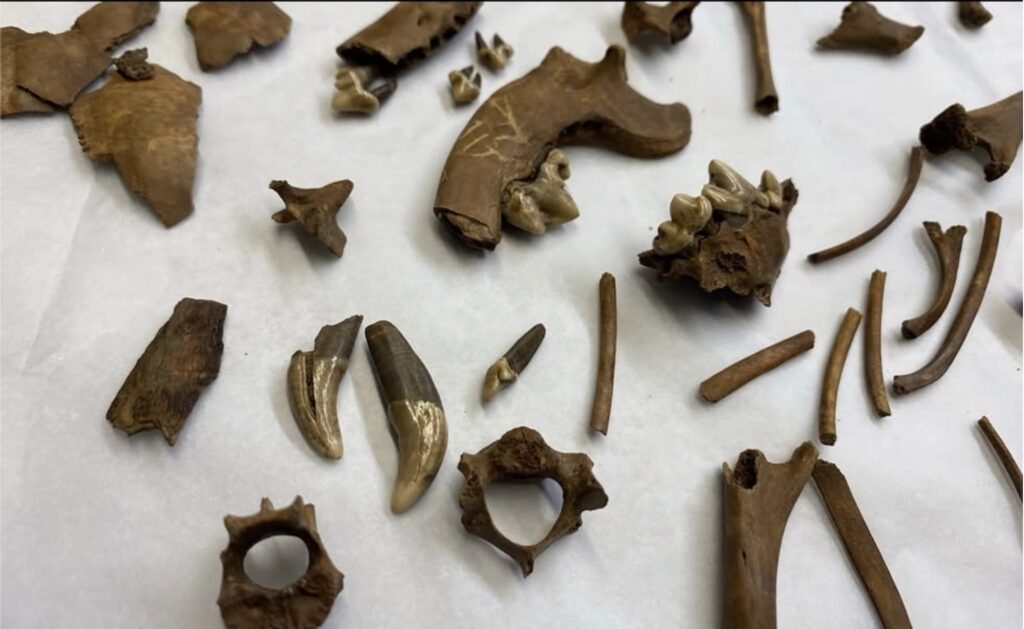
Researchers measured strontium, oxygen and carbon isotope ratios in cattle remains from archaeological sites known as S3 and S4. Each isotope carries different information. Strontium in tooth enamel reflects the geology of the landscape where an animal ate while the tooth formed. Oxygen can track water and seasonal conditions, while carbon provides clues about diet and the environments in which plants grew.
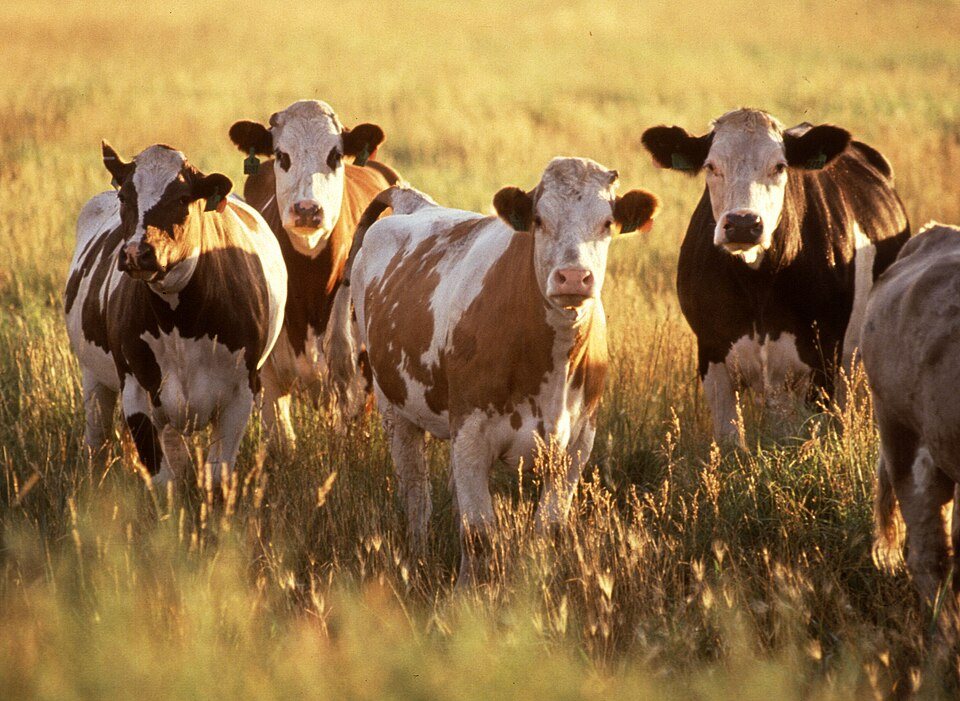
The combined signatures reveal substantial variability. Some cattle appear to have been raised locally on floodplain resources, while others carried non-local strontium values and evidence of repeated movement. That pattern suggests herding systems were flexible rather than confined to one settlement and its immediate grazing land.
The result is important for understanding the Neolithic transition in a wetland region where communities combined elements of hunting, gathering and farming. Domestic cattle were not simply introduced as a finished agricultural package. People had to decide where animals could graze, how to move them through seasonal landscapes and how livestock fit into existing economies and social networks.
Moving cattle also implies connections between communities. Animals can be exchanged as food, wealth, breeding stock or social gifts. A non-local isotope signature does not identify the exact reason an animal travelled, but repeated movement broadens the archaeological picture beyond permanent farms. Herds may have linked settlements and ecological zones through regular mobility.
Isotopes have become powerful archaeological tools because they record aspects of life that artifacts alone rarely preserve. A pot can show where a style was used; a tooth can contain a chemical history of where an individual animal fed while it grew. When many animals are analyzed together, those histories reveal management strategies rather than isolated journeys.
The method also has limits. Geological isotope zones can overlap, and researchers often cannot assign an animal to one exact place without a dense environmental baseline. Diet and seasonal movement can complicate interpretation.
In this case, the chemistry points to a landscape in motion. Some of northern Europe's earliest cattle stayed close to local floodplains, while others arrived from elsewhere or moved between distinct areas. Farming's expansion involved active decisions about mobility, exchange and how people integrated large animals into changing ways of life.
88