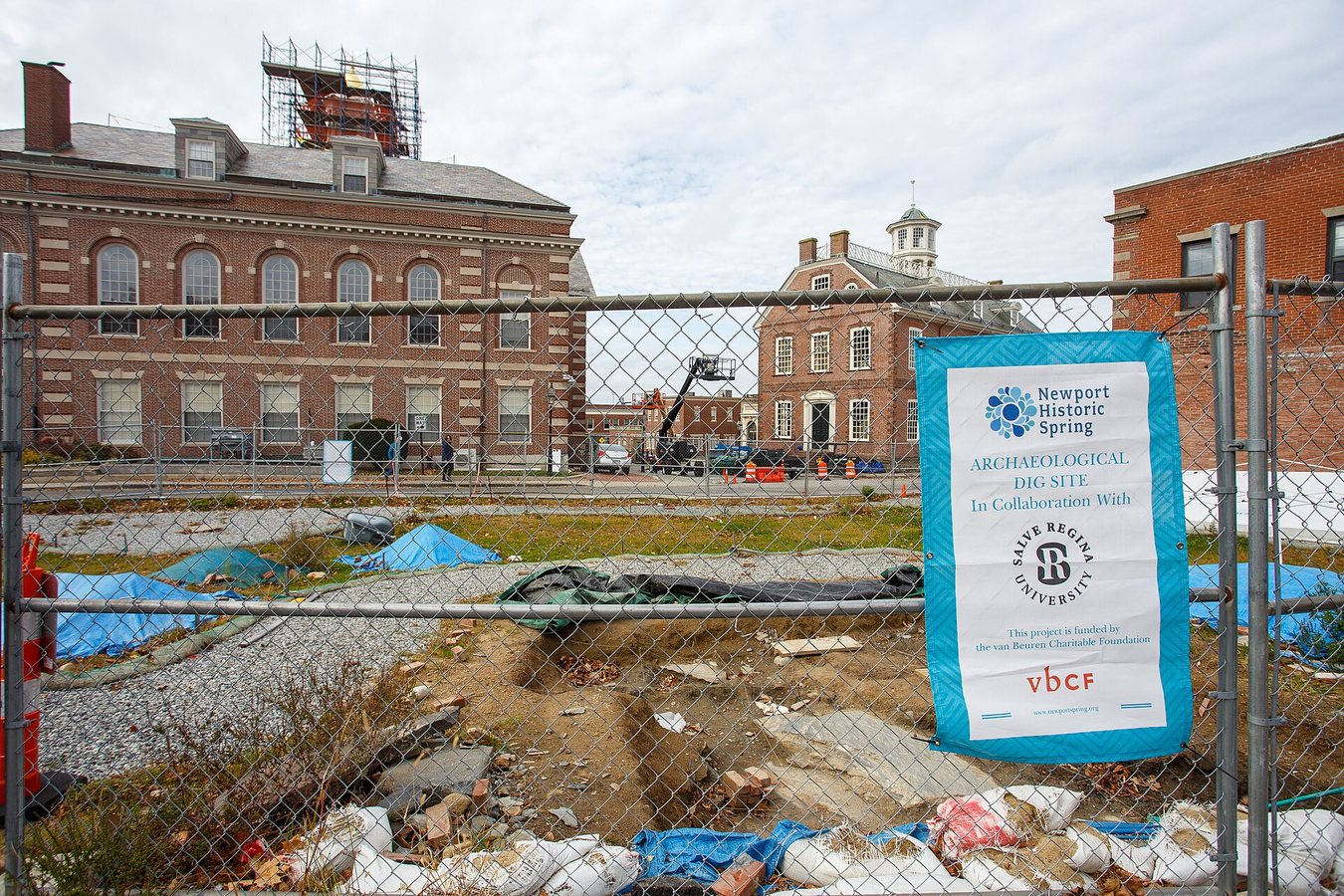
Archaeologists working in the Belgian city of Ghent have uncovered a historic cemetery beside a church in the city's Flax Market, a discovery made during preparations for a street resurfacing project. The excavation, which began as a routine test of the ground to find a safe location to plant a tree, has so far revealed four complete skeletons. Researchers now estimate that the site may hold the remains of as many as 240 individuals, buried in five distinct layers spanning the eleventh through the eighteenth centuries.
The discovery was reported by VRT News, which noted that the cemetery was found adjacent to a church in the market square. The initial test dig was intended only to assess soil conditions for the planned tree planting, but the unexpected encounter with human remains quickly transformed the project into a full archaeological investigation. The presence of multiple burial levels suggests the site was used continuously over a long period, reflecting the area's deep urban history and the changing practices of interment in medieval and early modern Europe.
Given the significance of the find, excavation work at the site has been temporarily halted. The tree that was to be planted as part of the resurfacing project will not be placed in the ground, as officials prioritize the careful study and recovery of the archaeological material. The pause allows researchers to document the burials in detail, including their positions, orientations, and any associated artifacts, which could offer valuable insights into the lives and customs of the people who lived in Ghent centuries ago.
The cemetery's location in the Flax Market, a historically important commercial area, adds another layer of interest to the find. The market's name reflects the region's historical role in the textile trade, and the burials may provide clues about the social and economic status of those interred there. Archaeologists will likely conduct further analysis, including potentially dating the skeletal remains and studying any grave goods, to build a clearer picture of the site's chronology and the population it served.
This discovery is not the first notable archaeological find in Ghent. The city, which grew into a major medieval hub, has a rich underground record that frequently surfaces during construction and renovation work. Previous excavations in the area have uncovered remnants of earlier structures and artifacts that help historians piece together the city's evolution from a small settlement to a thriving center of commerce and culture. The current find adds to that narrative, offering a rare glimpse into the burial traditions and demographic history of one of Belgium's oldest urban centers.
While the full scope of the cemetery remains unknown, the initial estimates suggest a substantial burial ground that was in use for roughly seven centuries. The decision to halt the tree planting and prioritize archaeological work underscores the value placed on preserving and understanding the historical heritage that lies beneath modern streets. As the investigation proceeds, researchers hope to determine the exact boundaries of the cemetery and the number of burials it contains, which could make it one of the more significant urban excavations in the region in recent years.
119