Scientists have identified seven new species of Madagascar’s elusive diamond frogs, solving a long-running biological puzzle by comparing DNA from modern specimens with genetic material extracted from century-old museum collections. The discovery, published by an international research team, reveals that the frogs’ apparent rarity masked a complex web of distinct lineages hidden beneath the island’s forest floor.
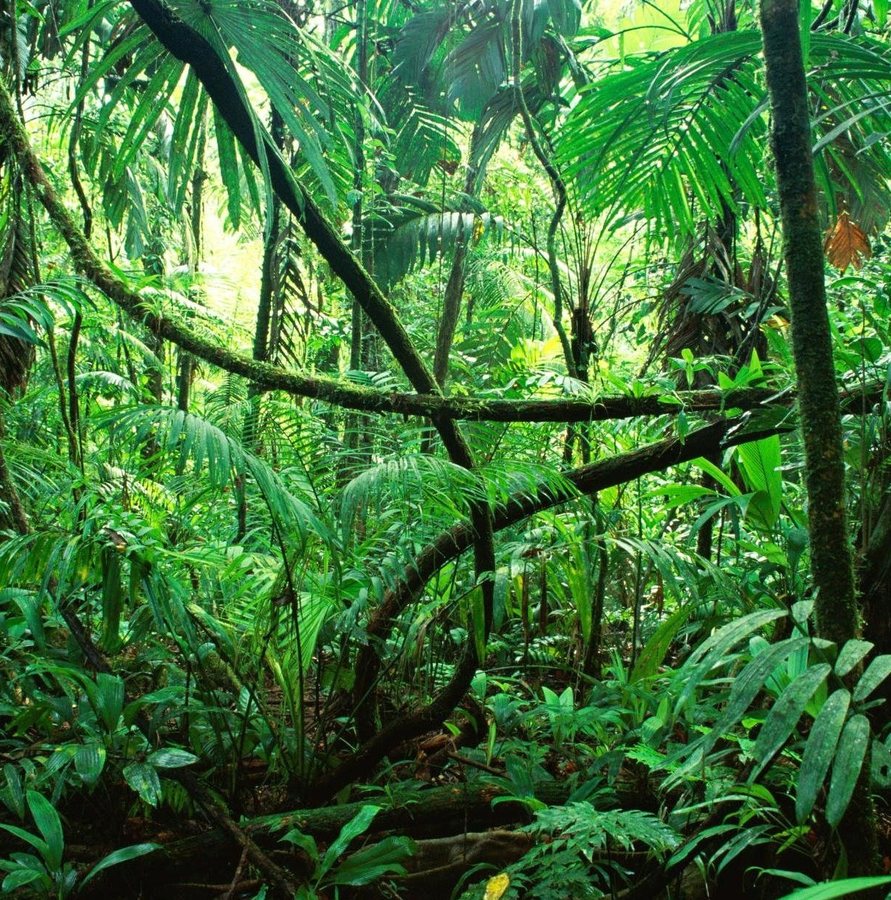
The diamond frogs, named for the distinctive diamond-shaped markings on their backs, are notoriously difficult to study. They spend most of their lives buried in loose soil and leaf litter, emerging only briefly during heavy rains to breed. This secretive lifestyle, combined with their similar appearances, had led scientists to believe the group consisted of just a few widespread species. The new genetic analysis, however, shows that what was once considered a single species actually comprises at least seven separate evolutionary lineages, each confined to specific forest regions across Madagascar.
The research team combined fieldwork in remote rainforests with examination of museum specimens collected more than a century ago. DNA extracted from the preserved tissues of these older specimens proved critical, allowing scientists to link modern populations to historical records and trace how the frogs diversified over time. The results suggest that the diamond frogs have been evolving in isolation for millions of years, with each species adapted to the particular conditions of its home forest.
Madagascar is already recognized as a global hotspot for amphibian diversity, with hundreds of frog species found nowhere else on Earth. The discovery of seven additional species underscores how much remains unknown about the island’s biodiversity, even in groups that have been studied for decades. The findings also carry practical implications for conservation: each newly recognized species represents a distinct evolutionary unit that may require its own protection strategy.
Many of the forests where the frogs live are under threat from logging, slash-and-burn agriculture, and expanding human settlements. As these habitats disappear, scientists warn that species could be lost before they are even formally described. The new study provides a clearer picture of where the diamond frogs occur, which could help prioritize areas for protection and guide future surveys in unexplored regions.
The researchers note that their work highlights the value of natural history museums as repositories of genetic information. Specimens collected long before modern DNA techniques were developed can still yield crucial data, especially for species that are rare or difficult to find in the wild. In this case, the museum material allowed the team to confirm that the newly identified species are not recent arrivals but long-established residents of Madagascar’s forests.
While the seven species are now recognized scientifically, formal naming and detailed descriptions are expected to follow in subsequent publications. The team plans to continue surveying other forest fragments across the island, suspecting that additional diamond frog species may still be awaiting discovery. For now, the study adds a significant chapter to the understanding of Madagascar’s remarkable amphibian fauna and reinforces the urgency of conserving the island’s remaining wild places.
109