Climate change is projected to triple the number of days in the United States when temperatures exceed 105 degrees Fahrenheit, a shift that would bring dire public health consequences, according to a new analysis. The study, which models future climate scenarios, warns that extreme heat events will become more frequent, more intense, and longer-lasting across much of the country, particularly in regions unaccustomed to such conditions.
Researchers found that without significant reductions in greenhouse gas emissions, the average number of days above 105°F could rise from roughly 10 days per year to about 30 days per year by mid-century. Some areas in the South and Southwest could see more than 60 such days annually. The increase would not be limited to traditionally hot regions; parts of the Midwest and Northeast would also experience more frequent extreme heat, posing new challenges for communities and health systems that lack adequate adaptation measures.
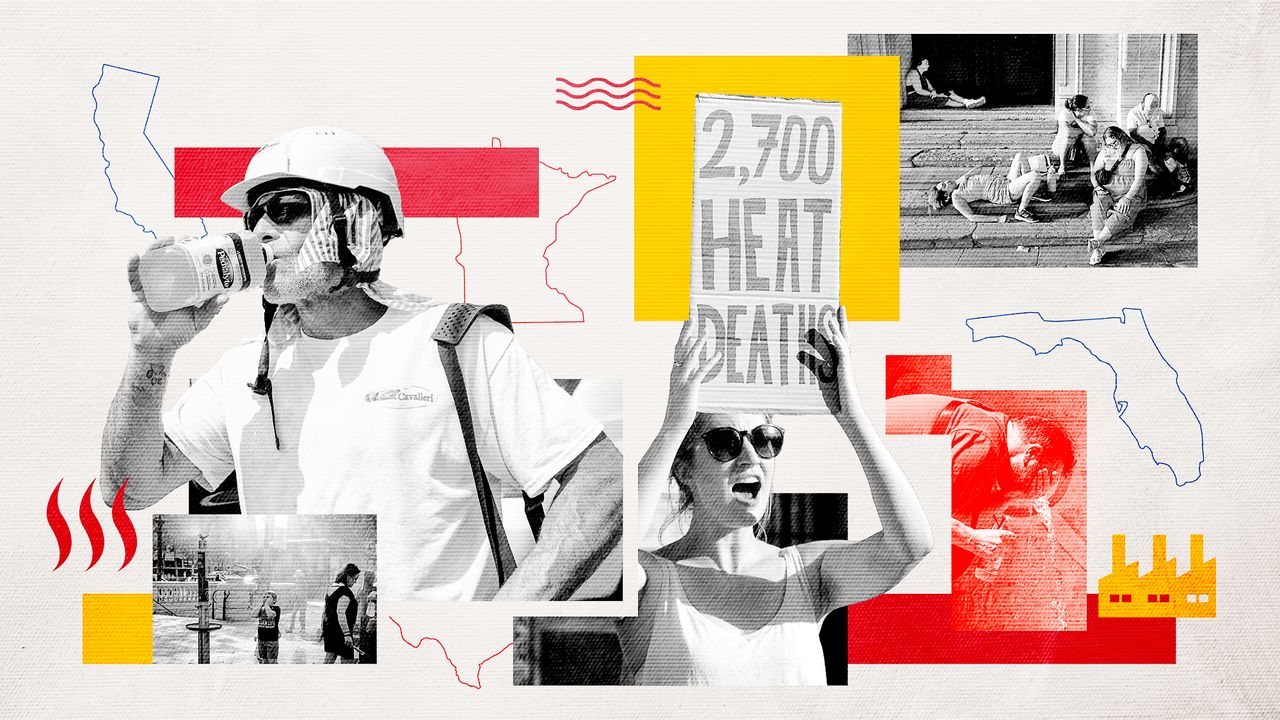
The health impacts of this trend are severe. Extreme heat is already the leading cause of weather-related death in the United States, and a tripling of extreme heat days would likely lead to thousands of additional deaths each year. Heat stress can trigger heat exhaustion, heatstroke, and exacerbate chronic conditions such as cardiovascular and respiratory diseases. Vulnerable populations, including the elderly, children, outdoor workers, and low-income communities without access to air conditioning, face the greatest risks.
Emergency departments would see surges in heat-related illnesses, and the strain on healthcare infrastructure could be substantial. The analysis also highlights indirect effects, such as increased air pollution from higher temperatures, which can worsen asthma and other respiratory conditions. Mental health can also suffer during prolonged heat waves, with higher rates of anxiety, depression, and heat-related aggression reported in affected communities.
The study underscores the urgency of climate mitigation and adaptation strategies. Reducing emissions could significantly lower the projected increase in extreme heat days, while measures like cooling centers, green roofs, and heat action plans can help protect vulnerable populations. Public health officials are urged to integrate heat risk into emergency preparedness and urban planning.
As the planet continues to warm, the findings serve as a stark reminder that climate change is not just an environmental issue but a direct threat to human health. The authors call for immediate action to curb emissions and to build resilience in communities most at risk, emphasizing that the choices made today will determine the severity of future heat-related health crises.
71