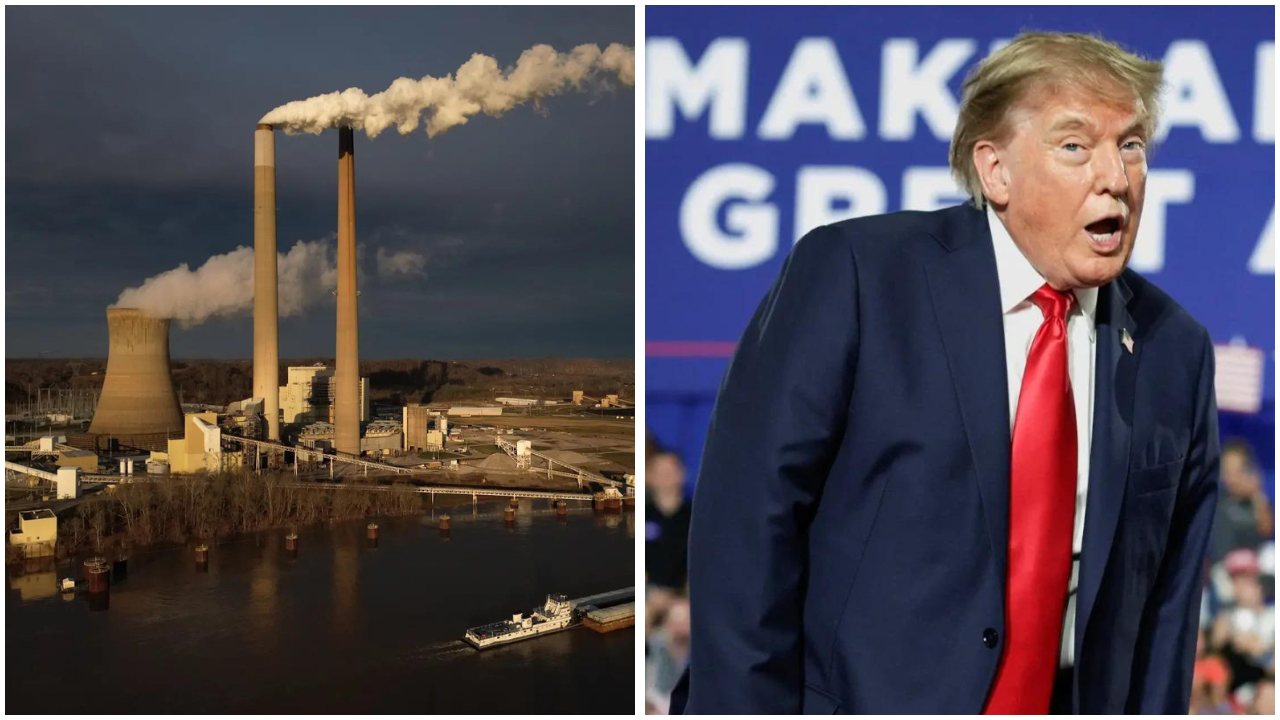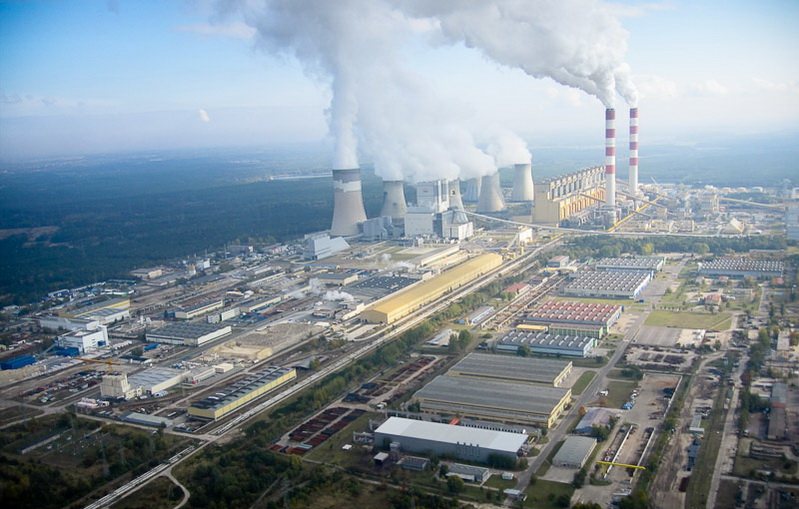
The Environmental Protection Agency has scrapped limits on emissions from coal- and gas-fired power plants, reversing a central element of federal climate policy. The agency said the move will save the country billions of dollars and reduce energy prices for consumers.
The decision removes restrictions that had required power plant operators to cut greenhouse gas emissions, a rule that had been a cornerstone of efforts to decarbonize the US electricity sector. The EPA framed the rollback as an economic measure, arguing that the compliance costs associated with the limits were driving up electricity rates and burdening the power industry.
Coal and natural gas remain the largest sources of electricity generation in the United States, and the power sector has been a major target of climate regulation for years. The emissions limits had been designed to push utilities toward cleaner technologies, including renewable energy and carbon capture systems. By eliminating them, the EPA is effectively removing the federal mandate that had compelled plant operators to invest in emissions reductions.
Environmental groups and public health advocates are expected to challenge the decision, arguing that weaker standards will lead to higher levels of air pollution and undermine US commitments to reduce greenhouse gases. Supporters of the rollback, including industry trade groups, have long contended that the regulations were overly costly and contributed to the premature retirement of reliable baseload power plants.
The move comes amid broader scrutiny of the financial sector's role in sustaining fossil fuel infrastructure. A separate report published this week found that the energy portfolios of 20 major private equity firms generate about 1.5 billion tons of greenhouse gases annually, a total exceeding the annual emissions of every country except China, the US, India and Russia. Those firms manage $7.3 trillion in assets and hold significant fossil fuel holdings, including natural gas and coal-fired power plants that supply electricity to data centers.
Together, the two developments illustrate the competing pressures shaping US energy policy: the push to lower consumer costs and support domestic industry, and the mounting evidence that private and public investments continue to lock in high-emission infrastructure. The EPA's decision is likely to intensify debate over how far the federal government should go in regulating carbon pollution from the power sector, and whether market forces alone can deliver the emissions cuts that scientists say are needed.
Legal experts anticipate that the rollback will be contested in court, where its justification and its environmental impact will face close examination. The outcome could determine the extent to which the EPA can regulate greenhouse gases from existing power plants under current law. For now, the agency's action shifts the regulatory landscape decisively toward energy production and cost concerns, leaving the pace of the US power sector's transition to be set by states, utilities and market conditions rather than federal emissions limits.