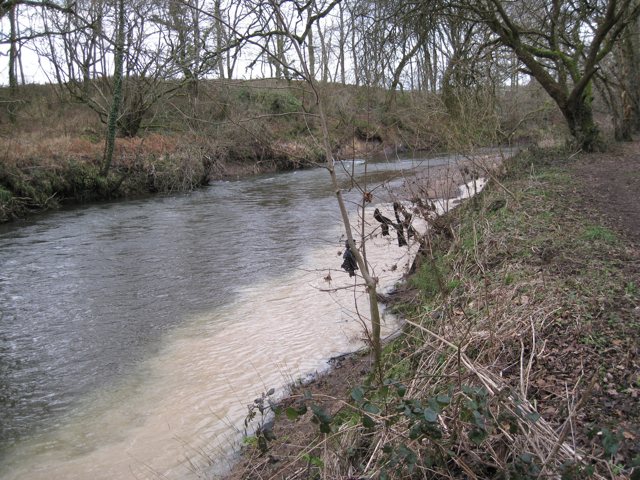
South West Water is causing more environmental harm than any other water company in England, according to a new analysis by the environmental campaign group Friends of the Earth. The study found that the region it serves — Devon, Cornwall, Dorset and Somerset — recorded the highest volume of sewage discharges in the country.
The analysis assessed water companies across six categories: sewage spills, water quality at designated bathing sites, pollution incidents or warnings at those sites, the severity of sewage pollution, the percentage of rivers rated below the standard for good ecological health, and the affordability of customer bills. South West Water performed worst overall, according to the campaign group.
The findings come amid growing public anger over the state of England's rivers and coastal waters. In a separate report, swimmers in Brighton described their frustration with persistent sea pollution, with one saying that «a tiny bit of rain and the sewage comes». The comments reflect a wider pattern of concern among water users who say they are being exposed to untreated discharges during the bathing season.
Friends of the Earth said the results showed a systemic failure across the industry, with South West Water standing out for the scale of its impact. The group called for stronger regulation and faster investment in infrastructure to prevent raw sewage from entering waterways. It also highlighted the affordability issue, noting that customers in the South West already pay some of the highest water bills in England while receiving the poorest environmental performance in return.
The analysis is based on official data reported by the companies themselves, alongside water quality monitoring carried out by regulators and local authorities. Environmental groups have repeatedly warned that self-reported data may understate the true scale of discharges, and have urged the government to introduce independent monitoring at all sewage outfalls.
The water industry has faced mounting criticism in recent years over the frequency and volume of sewage releases into rivers and seas. Under current rules, companies are permitted to discharge untreated sewage during heavy rainfall to prevent flooding, but campaigners argue that many spills occur in dry weather or as a result of inadequate maintenance.
South West Water has previously said it is investing heavily in improving its network and reducing spills. The company has pointed to long-term plans to upgrade treatment works and increase stormwater storage capacity. However, the Friends of the Earth analysis suggests that, despite those commitments, the region continues to experience the highest level of environmental damage from sewage in England.
The findings are likely to intensify pressure on both the company and the government to act. Environmental campaigners are calling for legally binding targets to cut sewage discharges, stronger penalties for non-compliance, and greater transparency in how water companies report their performance. They argue that the current system places too much trust in companies that have a financial incentive to minimise the scale of the problem.
For residents and visitors in the South West, the issue has become increasingly visible. Beaches and rivers that are central to the region's tourism economy have been closed or flagged with pollution warnings during peak seasons. Local businesses have reported lost income as a result, and community groups have begun organising their own water testing to fill gaps in official monitoring.
The analysis adds to a growing body of evidence that England's water infrastructure is struggling to cope with the demands placed on it. Friends of the Earth said the results should serve as a wake-up call for regulators and policymakers, and that the public deserves a water industry that protects the environment rather than degrading it.
138