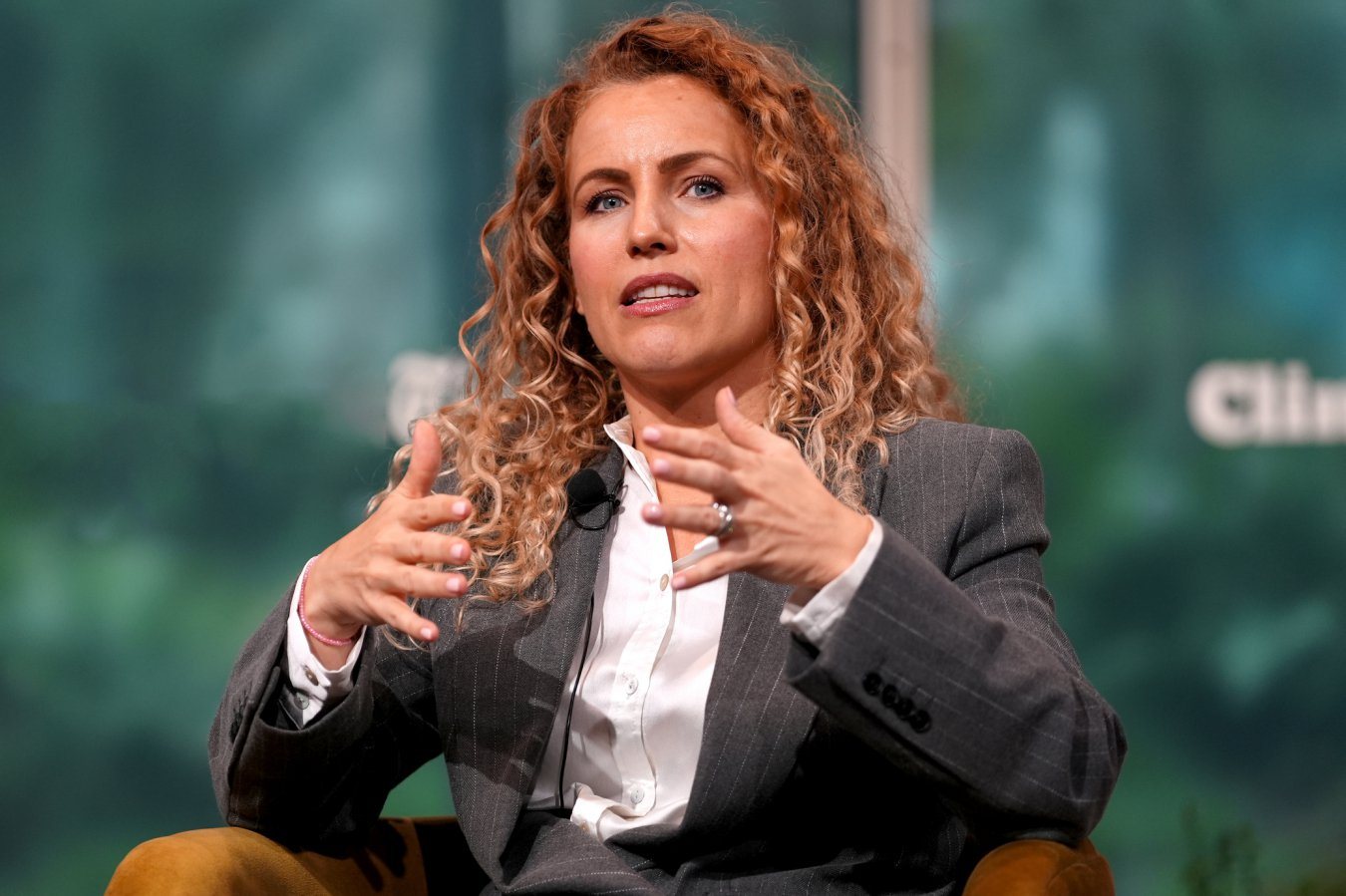
Extreme weather driven by El Niño could damage harvests across the globe, leaving the international food system exposed to serious disruption, UK climate minister Katie White has warned. In an interview, White said the answer is not to build up national stockpiles but to strengthen local food production so that communities are less dependent on fragile global supply chains.
El Niño is a periodic climate pattern that begins in the tropical Pacific Ocean and shifts weather conditions worldwide. It can bring drought to some regions and heavy rainfall to others, often hitting major agricultural areas at critical points in the growing season. When harvests fail in key exporting countries, the effects ripple through international markets, raising prices and reducing availability far beyond the regions directly affected.
White's warning points to a structural vulnerability in how the world feeds itself. Many countries rely on imports for a significant share of their food, meaning that a climate shock in one part of the world can quickly become a food security problem in another. The minister argued that building resilience means producing more food closer to where it is consumed, rather than depending on distant suppliers and emergency reserves.
The message comes as climate scientists continue to study how a warming atmosphere may be intensifying El Niño events and other extreme weather patterns. While El Niño is a natural cycle, its impacts are felt more severely when combined with existing pressures on land, water, and infrastructure. For farmers, the uncertainty makes planning difficult, and for governments, it raises hard questions about how to protect food supplies without resorting to measures that can worsen global shortages.
Stockpiling, White suggested, is not the solution. Large national reserves can temporarily cushion a crisis, but they do not address the underlying problem and can distort markets if many countries pursue the same strategy at once. Instead, she pointed to local production as a more durable answer, one that shortens supply lines and gives communities more control over what they eat.
That approach aligns with a broader shift in climate and food policy thinking. Researchers and policymakers have increasingly emphasized diversified, regionally adapted agriculture as a way to absorb shocks. Local production can reduce transport emissions, support rural economies, and make it easier to respond quickly when weather extremes hit. It does not mean abandoning trade entirely, but it does mean treating self-reliance as a strategic priority rather than an afterthought.
For the United States and other large agricultural producers, the warning carries its own implications. American farmers export heavily, and disruptions in other parts of the world can affect demand, prices, and the cost of imported inputs. At the same time, domestic growing regions face their own climate risks, from drought in the West to flooding and storms in other areas. The minister's argument suggests that even well-fed nations are not insulated from a global system under strain.
White's comments also highlight a tension in international climate politics. Wealthier countries can afford to import food and build reserves, while poorer nations often bear the brunt of weather shocks with far fewer resources. A push toward local production, if supported by investment and technology sharing, could help narrow that gap. Without such support, the transition may be uneven, leaving the most vulnerable populations exposed.
The timing of the warning reflects growing concern that the next strong El Niño could arrive amid already elevated food prices and lingering supply chain problems. Climate ministers and agricultural officials are under pressure to move from general statements about resilience to concrete plans. That includes investing in irrigation, drought-resistant crops, soil health, and regional food infrastructure.
White's core message is that the global food system cannot be treated as separate from climate policy. As extreme weather becomes more frequent and intense, the choices governments make about where food comes from and how it is produced will determine how well societies withstand the shocks ahead. Local production, in her view, is not a retreat from global trade but a necessary foundation for stability in a changing climate.
5