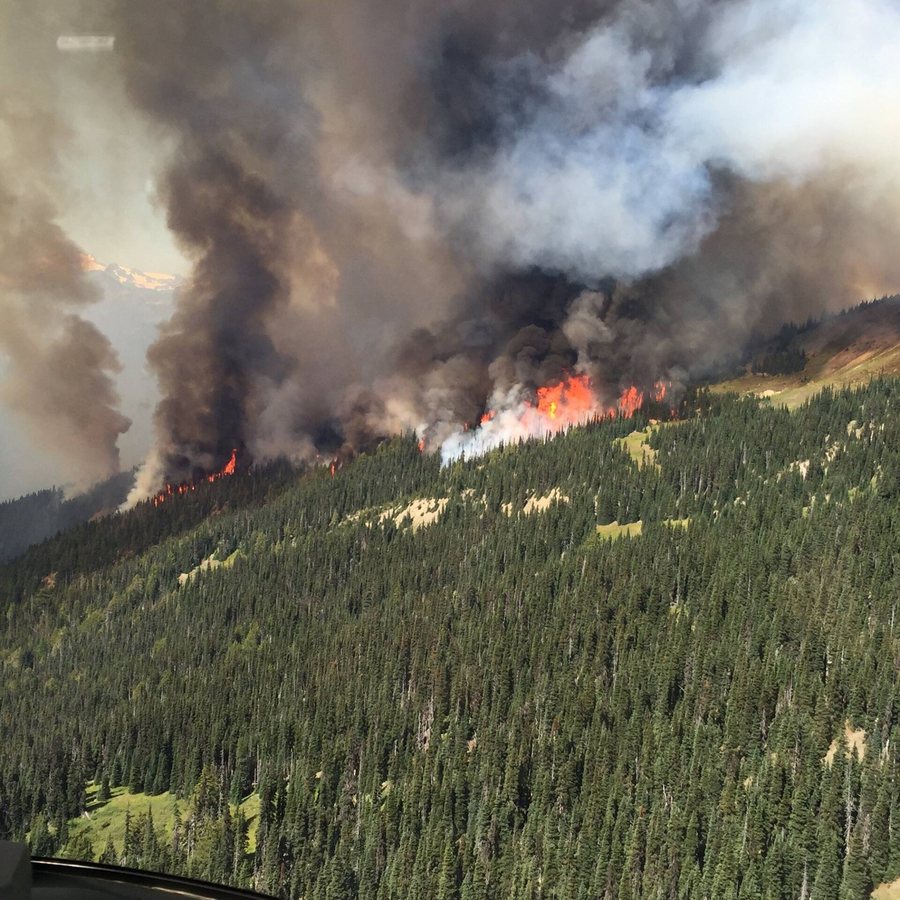
The UK government quietly abandoned a plan to prepare England's countryside for wildfires, a Freedom of Information request has revealed, even as new data shows many fire services lack the protective equipment needed to fight them. The disclosure comes after a summer in which record-breaking wildfires swept across the UK, turning large areas of countryside into what officials described as a tinderbox following punishingly hot and dry weather.
The scrapped scheme was intended to strengthen wildfire readiness across rural England. Its removal was not publicly announced, and the FOI request is what brought the decision to light. The timing is notable: the plan was dropped despite mounting evidence that the threat is intensifying under the climate crisis, and despite warnings from the fire sector that resources are insufficient.
A survey of fire services cited in the disclosure found that many crews do not have the proper protective gear to tackle wildfires safely. That gap matters because wildfire fighting involves different risks and tactics than structural firefighting, requiring specialized clothing, equipment, and training. Without those resources, firefighters face greater danger and communities face slower, less effective responses when fires break out.
This summer offered a stark demonstration of the scale of the problem. The UK experienced record-breaking wildfires after a prolonged stretch of hot, dry weather. Large parts of the countryside became highly combustible, and the fires tested emergency services that were already stretched. The conditions match what climate scientists have long warned will become more common as global temperatures rise: longer dry spells, more intense heat, and landscapes that burn more readily.
The government has not publicly explained why the wildfire preparation plan was shelved. The FOI request indicates the decision was made without fanfare, and the absence of an announcement has drawn criticism from those who argue that wildfire risk is a growing public safety concern that deserves transparency and sustained investment.
For rural communities, the stakes are direct. Wildfires threaten homes, farmland, wildlife habitats, and air quality. They also strain local fire services that may lack the specialized gear and training needed to contain them. The survey findings suggest that the gap between the threat and the response capacity is not theoretical but operational, affecting crews on the ground.
The disclosure also raises questions about how prepared England is for future fire seasons. As climate change drives more extreme weather, the risk of wildfires is expected to grow rather than recede. That makes planning, equipment, and coordination more important, not less. The decision to drop the preparation scheme, combined with the equipment shortfalls identified in the survey, points to a readiness problem that could become more visible in the years ahead.
Fire services and rural stakeholders are now calling for clarity on what, if anything, will replace the abandoned plan. Without a clear strategy, they warn, the country risks being caught off guard again by fires that are becoming more frequent and more severe. The FOI request has opened a window onto a policy choice that was made quietly, but its consequences may be felt loudly the next time the countryside dries out and burns.
16