A short course of immunotherapy given before surgery may provide lasting protection against recurrence for some patients with stage two or three bowel cancer, according to results from the NEOPRISM-CRC trial. After nearly three years of follow-up, none of the 32 patients enrolled in the study had experienced a return of their cancer.
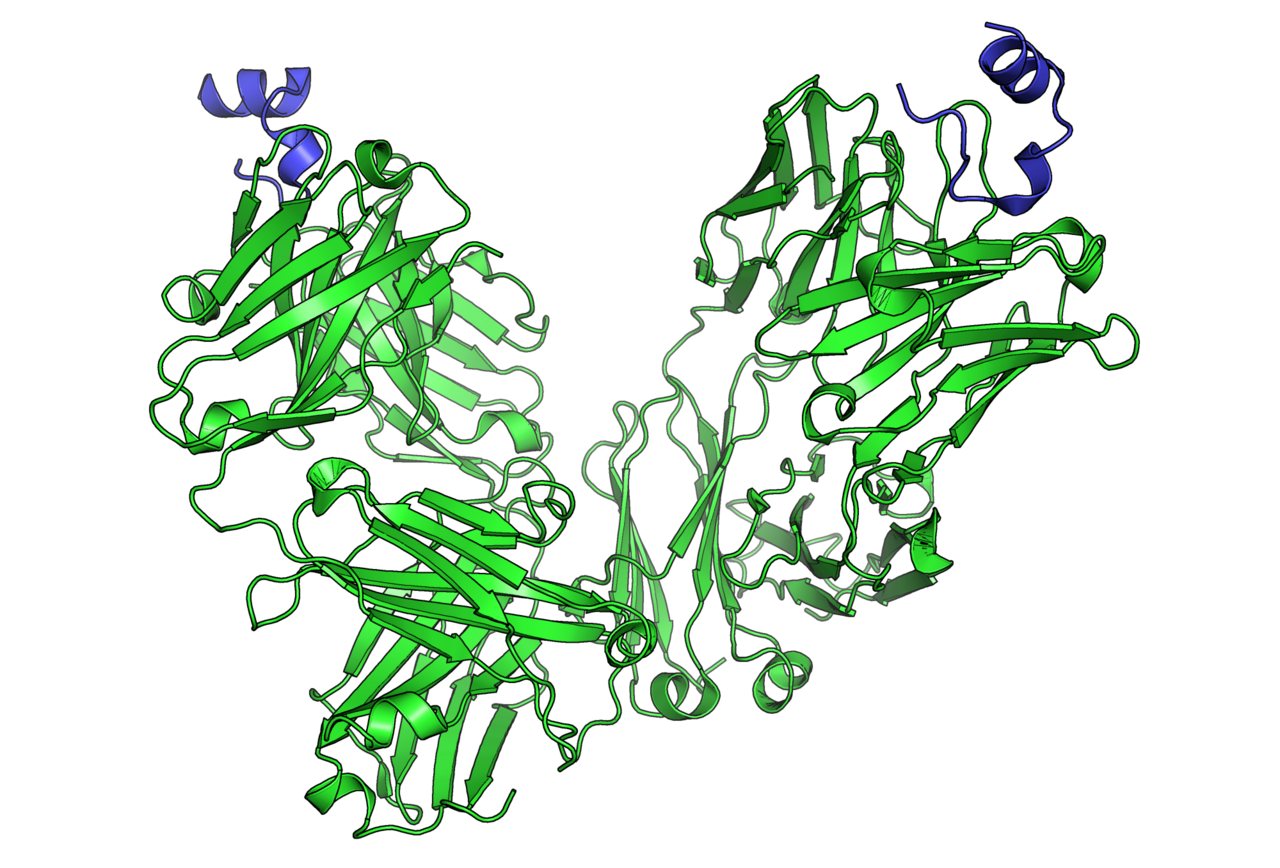
The trial focused on patients with a specific genetic form of bowel cancer. Instead of receiving the standard approach of surgery followed by chemotherapy, participants were treated with pembrolizumab for up to nine weeks before undergoing surgery. Pembrolizumab is an immunotherapy drug that helps the immune system recognize and attack cancer cells.
The results were striking even among patients who still had small traces of disease detectable after the immunotherapy course. Despite these residual cancer cells, none of the patients saw their cancer recur during the follow-up period. This suggests that the pre-surgical immunotherapy may have trained the immune system to keep the disease in check long after treatment ended.
Bowel cancer, also known as colorectal cancer, is one of the most common cancers worldwide. For patients with stage two or three disease, the usual treatment involves surgery to remove the tumor, often followed by chemotherapy to reduce the risk of recurrence. However, chemotherapy can be grueling and does not always prevent the cancer from coming back.
The NEOPRISM-CRC trial explored whether giving immunotherapy before surgery could improve outcomes by shrinking tumors and potentially eliminating the need for post-operative chemotherapy in some cases. The approach is part of a broader movement in cancer research toward neoadjuvant therapy, which is treatment given before the main treatment, in this case surgery.
The fact that no recurrences occurred after nearly three years is a promising sign, though the trial is small and the follow-up period is still relatively short for bowel cancer. Larger studies will be needed to confirm whether this benefit holds across a wider population and whether it translates into long-term survival gains.
Pembrolizumab is already approved for several types of cancer, including some advanced colorectal cancers with specific genetic markers. The NEOPRISM-CRC trial focused on patients whose tumors had a particular genetic profile that makes them more likely to respond to immunotherapy. This targeted approach reflects a growing emphasis on precision medicine in oncology, where treatments are matched to the molecular characteristics of a patient's tumor.
The findings add to a growing body of evidence that immunotherapy may be most effective when given early in the course of treatment, rather than after other therapies have been tried. By activating the immune system before surgery, doctors may be able to catch microscopic deposits of cancer that would otherwise go unnoticed and later cause a recurrence.
For patients with this specific form of bowel cancer, the results offer a potential alternative to the current standard of care. Avoiding chemotherapy after surgery could spare patients from side effects such as fatigue, nausea, and increased risk of infection, while still providing strong protection against recurrence.
However, the researchers caution that the trial is not yet complete and that longer follow-up is needed to determine whether the lack of recurrence persists over time. They also note that the treatment was tested in a carefully selected group of patients, so the results may not apply to all bowel cancer patients.
Further studies are planned to investigate whether this approach could be extended to other genetic subtypes of bowel cancer and whether it might also benefit patients with earlier or more advanced stages of the disease. The trial's success could pave the way for a new treatment paradigm in which immunotherapy becomes a first-line option for certain colorectal cancers.
The NEOPRISM-CRC trial is a reminder that even small studies can produce meaningful signals that shape future research. As the field of immuno-oncology continues to evolve, the hope is that more patients will be able to benefit from treatments that harness the body's own immune system to fight cancer.
8