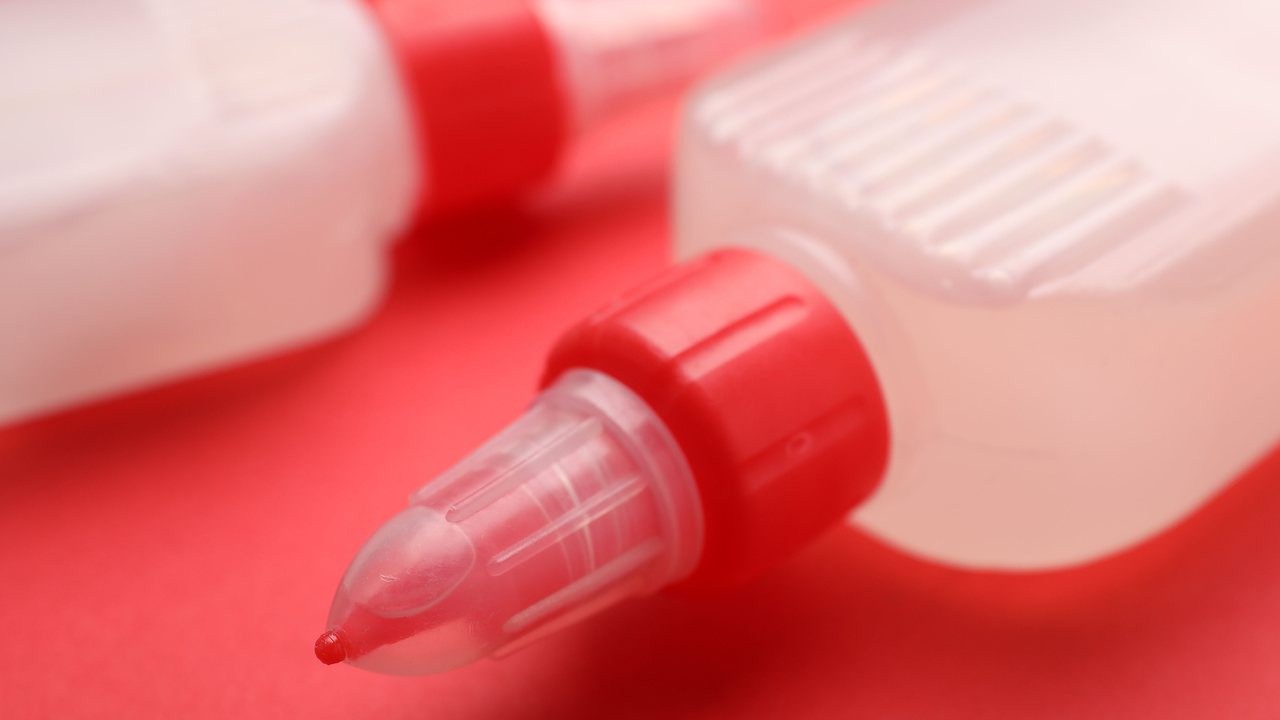
A man who tried to stop his urinary incontinence by gluing his urethra shut ended up in the emergency room with severe complications, according to a new case report. The patient, whose age was not disclosed, applied cyanoacrylate glue — the same adhesive found in common household super glues — to seal his urethra, the tube that carries urine out of the body.
The man had been experiencing urinary incontinence, a condition that affects millions of people worldwide and involves the involuntary leakage of urine. Rather than seeking medical help, he decided to treat the problem himself with an adhesive he had at home. The glue hardened and blocked the urethra completely, preventing him from urinating at all.
When he arrived at the hospital, doctors found that the glue had caused significant damage to the surrounding tissue. The blockage created a condition called acute urinary retention, which is a medical emergency that can lead to kidney damage, bladder rupture, and life-threatening infections if not treated promptly. The man required surgery to remove the hardened glue and repair the damaged tissue.
Cyanoacrylate glues are powerful adhesives that bond quickly to skin and other surfaces. While they are sometimes used in medical settings for specific purposes, such as closing minor skin wounds under controlled conditions, they are not designed for internal use or for application to delicate mucous membranes like those lining the urethra. When applied internally, the glue can cause tissue necrosis, severe inflammation, and permanent scarring.
The case report, published in the journal Urology Case Reports, highlights the dangers of self-treating medical conditions with household products. The authors note that while urinary incontinence is a common and often embarrassing problem, it is also highly treatable with proper medical care. Treatment options range from lifestyle changes and pelvic floor exercises to medications, medical devices, and surgery, depending on the underlying cause.
Urinary incontinence affects an estimated 25 million Americans, according to the Urology Care Foundation. Many people suffer in silence, either out of embarrassment or because they believe the condition is a normal part of aging that cannot be treated. Doctors emphasize that this is not the case and that seeking professional help is always safer than attempting DIY solutions.
The patient in this case recovered after surgery, but the incident serves as a stark warning about the risks of self-treatment. Medical professionals urge anyone experiencing incontinence or other urinary symptoms to consult a doctor rather than resorting to home remedies. The case also underscores the importance of public education about safe and effective treatments for common medical conditions.
While the exact circumstances that led the man to choose this drastic measure remain unclear, the case report adds to a growing body of medical literature documenting unusual self-treatment attempts. Previous reports have described people using super glue to close wounds, fix dental issues, or even repair broken skin, often with harmful results. Doctors advise that any medical concern, no matter how minor it seems, should be evaluated by a qualified healthcare provider.
167