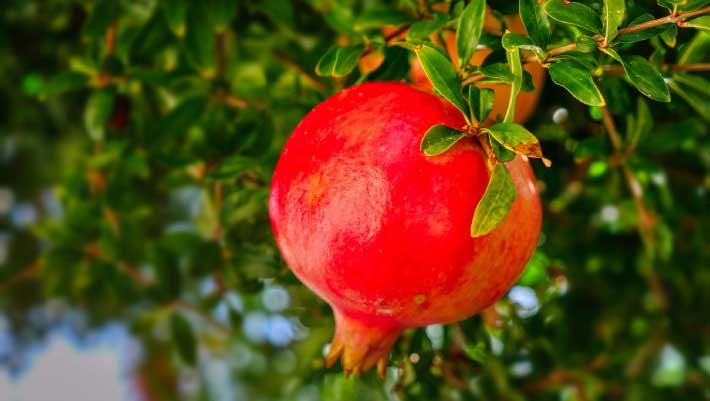
Researchers at King's College London have identified a new therapeutic mechanism for heart failure with preserved ejection fraction (HFpEF), a condition that accounts for nearly half of all heart failure cases and has long resisted effective treatment. The discovery centers on urolithin A, a natural postbiotic compound produced when gut bacteria metabolize ellagitannins found in foods such as pomegranates, berries, and walnuts.
HFpEF occurs when the heart's left ventricle stiffens and cannot relax properly to fill with blood, even though the ejection fraction — the percentage of blood pumped out with each contraction — remains normal. Patients experience breathlessness, fatigue, and fluid retention, and their exercise capacity is often severely limited. Unlike heart failure with reduced ejection fraction, for which multiple drug classes exist, HFpEF has no approved therapy that improves survival, making it one of the most frustrating challenges in modern cardiology.
The King's College team, led by researchers in the School of Cardiovascular and Metabolic Medicine & Sciences, investigated whether urolithin A could address the underlying cellular dysfunction seen in HFpEF. Their findings, published in the Journal of the American College of Cardiology: Basic to Translational Science, suggest the compound acts on mitochondria — the energy-producing structures within cells — restoring their ability to generate fuel efficiently in the stiffened heart muscle.
In laboratory experiments using human cardiac tissue samples and animal models of HFpEF, urolithin A improved mitochondrial function and reduced the pathological stiffness of heart muscle cells. The compound appeared to trigger mitophagy, the cellular process that clears away damaged mitochondria and replaces them with healthy ones. This renewal mechanism is critical because dysfunctional mitochondria are a hallmark of the aging heart and are particularly prominent in HFpEF, a disease most common in older adults, many of whom also have obesity, diabetes, or hypertension.
The study's senior author, Professor David Beech, said the results point to a fundamentally different approach to treating the condition. Rather than trying to force the heart to pump harder or relax more, the therapy targets the energy supply within the muscle cells themselves. «We have found a way to rejuvenate the failing heart at the level of its basic energy machinery,» Beech said in a statement. «This is not another drug that simply manages symptoms; it addresses a root cause of the disease.»
Urolithin A is classified as a postbiotic because it is not a direct nutrient but a metabolite produced by gut bacteria after they break down dietary compounds. It has already attracted attention in aging research for its ability to improve muscle strength and endurance in older adults, and it is available as a dietary supplement in several countries. However, the King's College team stressed that their work is at the preclinical stage and that patients should not attempt to self-treat with over-the-counter products.
«The doses used in our experiments are far higher than what a person could achieve by eating pomegranates or taking a standard supplement,» Beech noted. «We need properly designed clinical trials to determine whether this compound can truly benefit patients with HFpEF, and at what dose.»
The research team is now planning early-phase clinical studies to test urolithin A in patients with HFpEF. If those trials succeed, the compound could become the first disease-modifying therapy for a condition that has frustrated cardiologists for decades. Given that HFpEF prevalence is rising as populations age and metabolic diseases become more common, the stakes are considerable: millions of patients worldwide currently have few options beyond diuretics to relieve symptoms and lifestyle advice that is often difficult to follow.
The discovery also highlights the growing recognition that the gut microbiome plays a role in cardiovascular health. The fact that a bacterial metabolite can influence the energy status of heart muscle cells opens a new frontier in heart failure research, one that bridges microbiology, metabolism, and cardiology.
132