Researchers tracking rare viral diseases in South America are finding that the pathogens most likely to spark the next global outbreak are already circulating in remote communities, where climate change and human encroachment are bringing people into closer contact with animal hosts. The work, centered on diseases such as Argentine hemorrhagic fever, is reshaping how scientists think about pandemic preparedness: instead of waiting for a novel virus to emerge, they are monitoring known but neglected threats in the regions where they first appear.
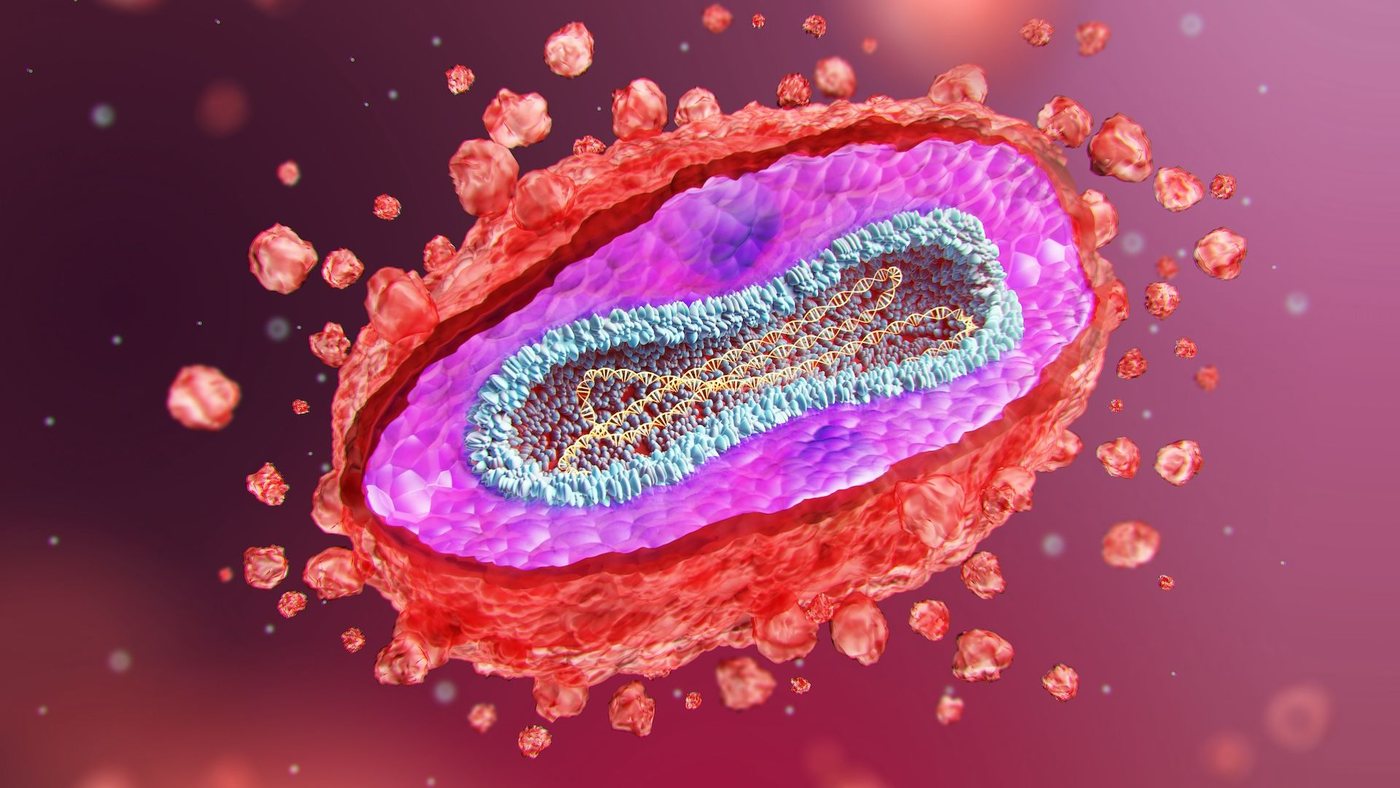
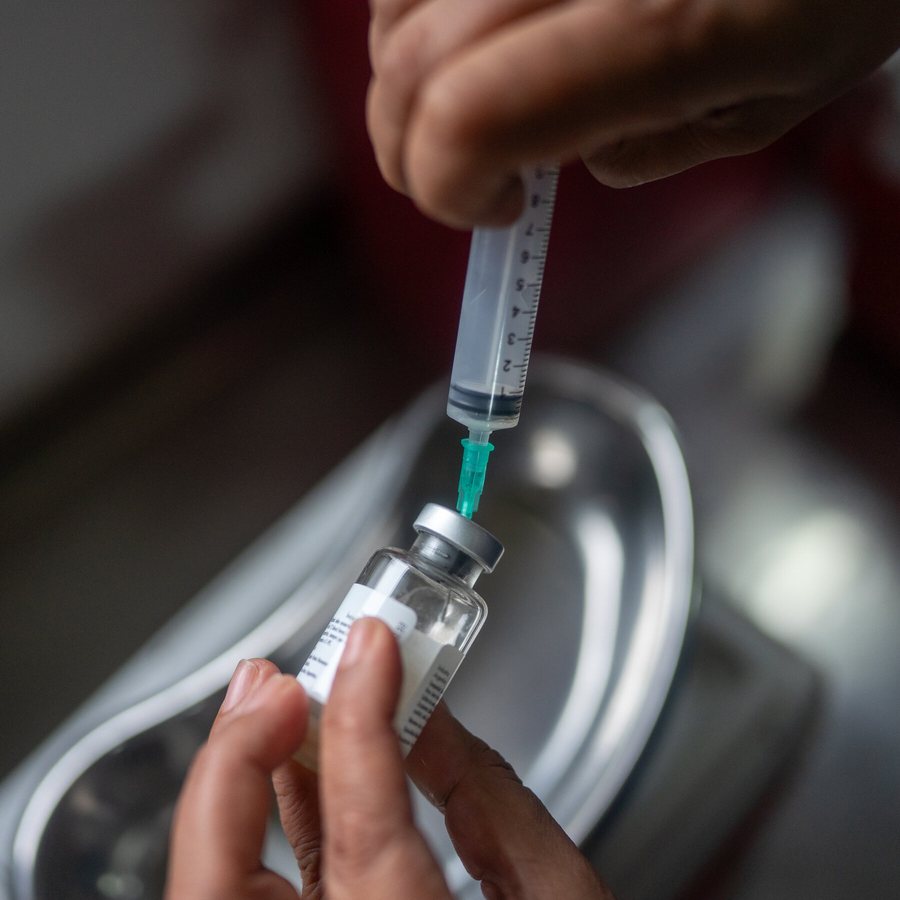
Argentine hemorrhagic fever, caused by the Junín virus, has been a focus of study for decades. The disease is transmitted to humans through contact with infected rodents, particularly the corn mouse, which thrives in the agricultural plains of Argentina. A vaccine known as Candid #1 has been used since the 1990s to protect agricultural workers in endemic areas, and it remains one of the few effective tools against a hemorrhagic fever virus in the Americas. At Carrasco Hospital in Rosario, Argentina, health workers are still preparing doses of the vaccine, a reminder that the threat has not disappeared even as global attention has shifted to other emerging infections.
What concerns scientists now is the intersection of ecology and infectious disease. The rodents that carry Junín virus have expanded their range as farming has intensified, and climate models suggest that warmer, wetter conditions could push the virus into new territories. Similar patterns are being observed with other South American pathogens, including the Oropouche virus, which is spread by biting midges and has caused outbreaks in Brazil and Peru, and the Sabiá virus, a close relative of Junín that was first identified in Brazil in the 1990s. Each of these viruses has the potential to cause severe disease in humans, yet none has a vaccine or specific treatment beyond supportive care.
The broader lesson, according to infectious disease specialists, is that pandemic surveillance must extend beyond the well-funded networks that monitor influenza and coronaviruses. South America has a patchwork of laboratories and field teams that track hemorrhagic fevers, but many of these programs operate with limited resources. The region also faces a growing burden of vector-borne diseases such as dengue and chikungunya, which are spreading to higher altitudes and latitudes as temperatures rise. The same ecological shifts that drive those outbreaks could also amplify the transmission of rarer viruses.
Public health officials are now calling for a more integrated approach that combines climate data, animal surveillance, and human case reporting. In Argentina, researchers are using satellite imagery to map changes in cropland and predict where rodent populations are likely to expand. In Brazil, teams are testing blood samples from febrile patients in remote Amazonian communities to identify viruses that have not yet been named. The goal is to detect a pathogen before it causes a cluster of unexplained illnesses, let alone a pandemic.
The challenges are significant. Many of the regions where these viruses circulate have weak health systems, and diagnostic tests for rare pathogens are often unavailable outside national reference laboratories. Vaccine development for diseases that affect small numbers of people has historically been slow, because the commercial incentives are limited. The Candid #1 vaccine, for example, was developed with support from the Argentine government and international partners, but it has never been licensed outside the country where it is used.
Still, the researchers argue that the cost of inattention could be far higher. The COVID-19 pandemic demonstrated how quickly a localized outbreak can become a global crisis, and many of the same conditions that allowed SARS-CoV-2 to spread are present in South America's agricultural frontiers and expanding cities. By studying rare diseases where they occur, scientists hope to build a warning system that is already in place when the next threat emerges.
132