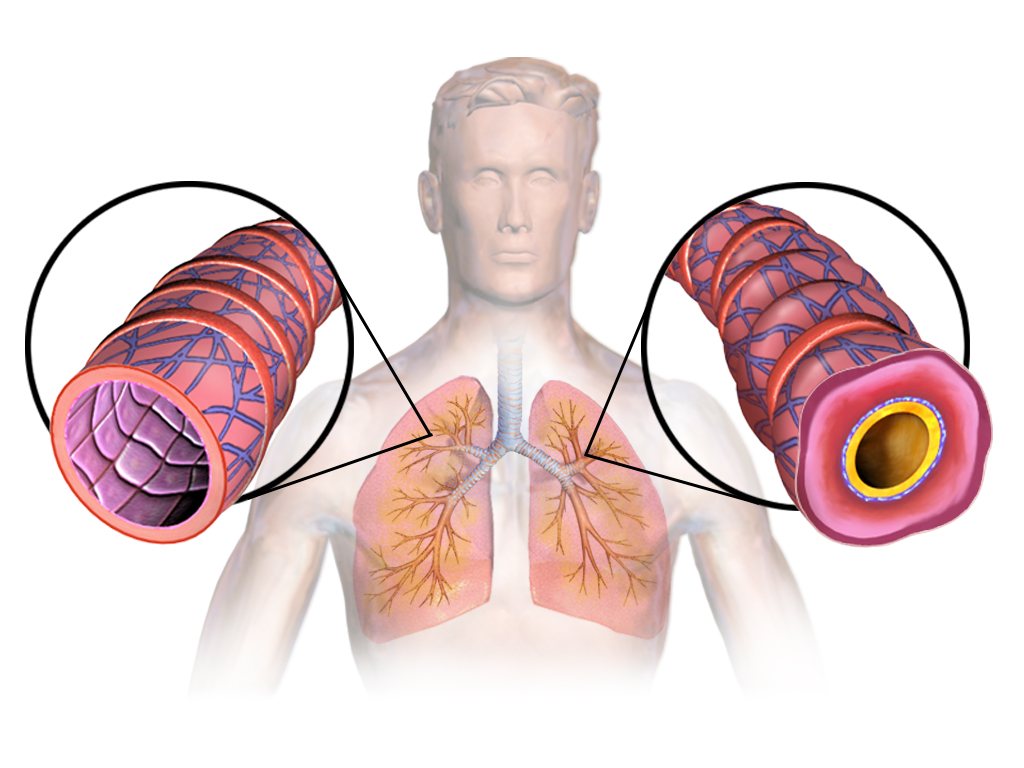
More than 260 million people worldwide are living with asthma, and the disease claims more than 400,000 lives annually, according to a new editorial in The Lancet. While the majority of cases can be managed with standard inhaled therapies, an estimated 5 to 10 percent of patients develop severe asthma, a form that carries an outsized burden of illness and a heightened risk of death.
Severe asthma is characterized by frequent disease exacerbations, persistently poor lung function, and a widespread dependence on corticosteroids. These features distinguish it from milder forms of the condition and help explain why patients with severe asthma account for a disproportionate share of asthma-related healthcare costs, emergency visits, and hospitalizations. The editorial notes that despite the seriousness of their symptoms, people with severe asthma are often underdiagnosed and mismanaged, a combination that in the worst cases proves fatal.
The gap between the availability of treatments and the reality of patient care is a central concern. Although inhaled corticosteroids and bronchodilators remain the backbone of asthma management, a subset of patients does not achieve control with these therapies alone. For them, long-term oral corticosteroid use is common, exposing patients to a range of side effects including weight gain, diabetes, osteoporosis, and increased susceptibility to infection. The editorial frames this reliance as a marker of unmet need rather than an acceptable standard of care.
Underdiagnosis compounds the problem. Because asthma symptoms such as wheezing, coughing, and shortness of breath can overlap with other respiratory conditions, some patients are misclassified or treated for the wrong condition entirely. In other cases, patients receive a diagnosis but are not escalated to appropriate specialist care when their disease remains uncontrolled. The result is a cycle of exacerbations, emergency treatment, and temporary relief that does not address the underlying severity of their illness.
The global toll is substantial. With more than 400,000 deaths each year, asthma remains a leading cause of preventable mortality among chronic respiratory diseases. Many of those deaths occur in low- and middle-income countries where access to inhaled therapies, diagnostic tools, and specialist care is limited. Even in high-income settings, disparities in care persist, particularly among underserved populations who face barriers to consistent treatment.
The editorial calls attention to the need for better identification of severe asthma patients and more consistent management pathways. That includes ensuring that patients who do not respond to standard therapy are evaluated for alternative diagnoses, referred to specialists when appropriate, and considered for newer biologic treatments that target specific inflammatory pathways. These therapies have changed outcomes for some patients with severe asthma, but access remains uneven and many eligible patients are never offered them.
For patients, the consequences extend beyond lung function. Frequent exacerbations disrupt work, school, and family life, and the fear of sudden attacks contributes to anxiety and reduced quality of life. The dependence on corticosteroids adds a cumulative health burden that can rival the asthma itself. The editorial argues that these realities are not inevitable and that closing the gap between current care and optimal care should be a priority for health systems worldwide.
With more than 260 million people affected globally, asthma remains one of the most common chronic diseases. The severe subset, though numerically smaller, drives much of the mortality and morbidity. The editorial's message is that underdiagnosis and mismanagement are not abstract problems but direct contributors to preventable deaths, and that addressing them requires sustained attention from clinicians, researchers, and policymakers alike.