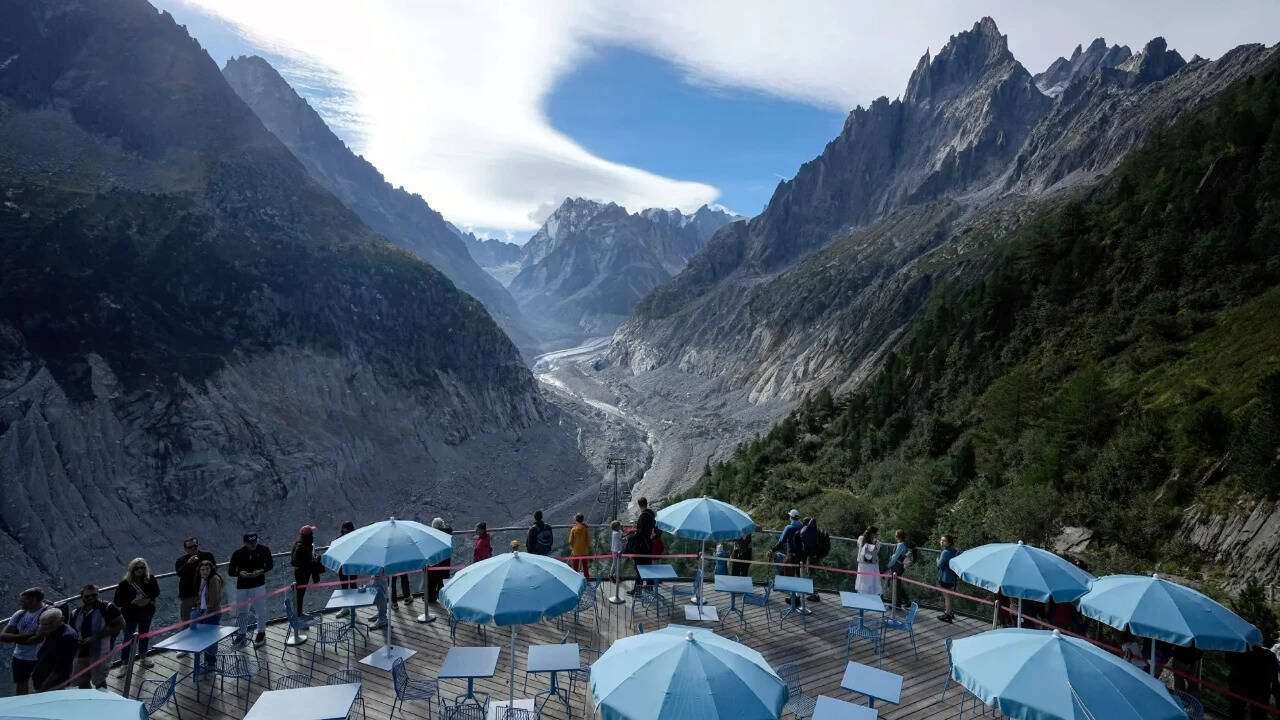
Alpine glaciers are shrinking at an accelerating pace as temperatures climb, and the thawing of permafrost is turning once-stable cliffs into sources of frequent rockfalls. This year, the Mont Blanc massif has recorded a noticeable increase in rock collapse events, a sign that the region's high mountain terrain is becoming more unstable under the pressure of a warming climate.
The changes are not limited to the highest peaks. Areas that were historically covered in snow for much of the year are now receiving rainfall instead, a shift that disrupts the natural stability of the terrain. Water seeping into rock fissures and soil layers can weaken slopes, adding to the hazards already posed by melting ice. For communities living in the valleys below, the consequences are direct and serious. Towns such as Chamonix-Mont-Blanc, a major mountaineering hub at the foot of Mont Blanc, now face the looming threat of potential mountain collapses.
Scientists studying the region point to a clear chain of cause and effect. Warmer air temperatures drive glacial retreat, exposing bare rock that was previously buttressed by ice. At the same time, permafrost — ground that remains frozen for years or decades — is thawing at higher elevations. When permafrost thaws, it loses its binding strength, and the rock faces above valleys become more prone to breaking away. The result is a landscape in transition, where the hazards of rockfall and slope failure are becoming more common and less predictable.
The situation in the European Alps mirrors patterns observed in other mountain ranges around the world, including the Himalayas, where glacial retreat has also raised concerns about landslides and the stability of high-altitude terrain. But the Alps carry particular significance because of their dense population, long history of settlement, and heavy reliance on mountain tourism. Chamonix-Mont-Blanc, for example, draws visitors year-round for skiing, climbing, and sightseeing, and its infrastructure — roads, railways, buildings, and cable cars — sits in terrain that is now more exposed to falling rock.
Local authorities and researchers are monitoring the massif closely, tracking changes in rock faces and glacial ice to better understand where the next failures might occur. The increased frequency of rockfalls this year has sharpened attention on the need for early warning systems and for adaptation measures that can protect both residents and the many tourists who pass through the region. While the exact timing of any major collapse remains impossible to predict, the trend itself is clear: the Alps are losing their frozen stability, and the risks are moving closer to the communities that live in their shadow.
125