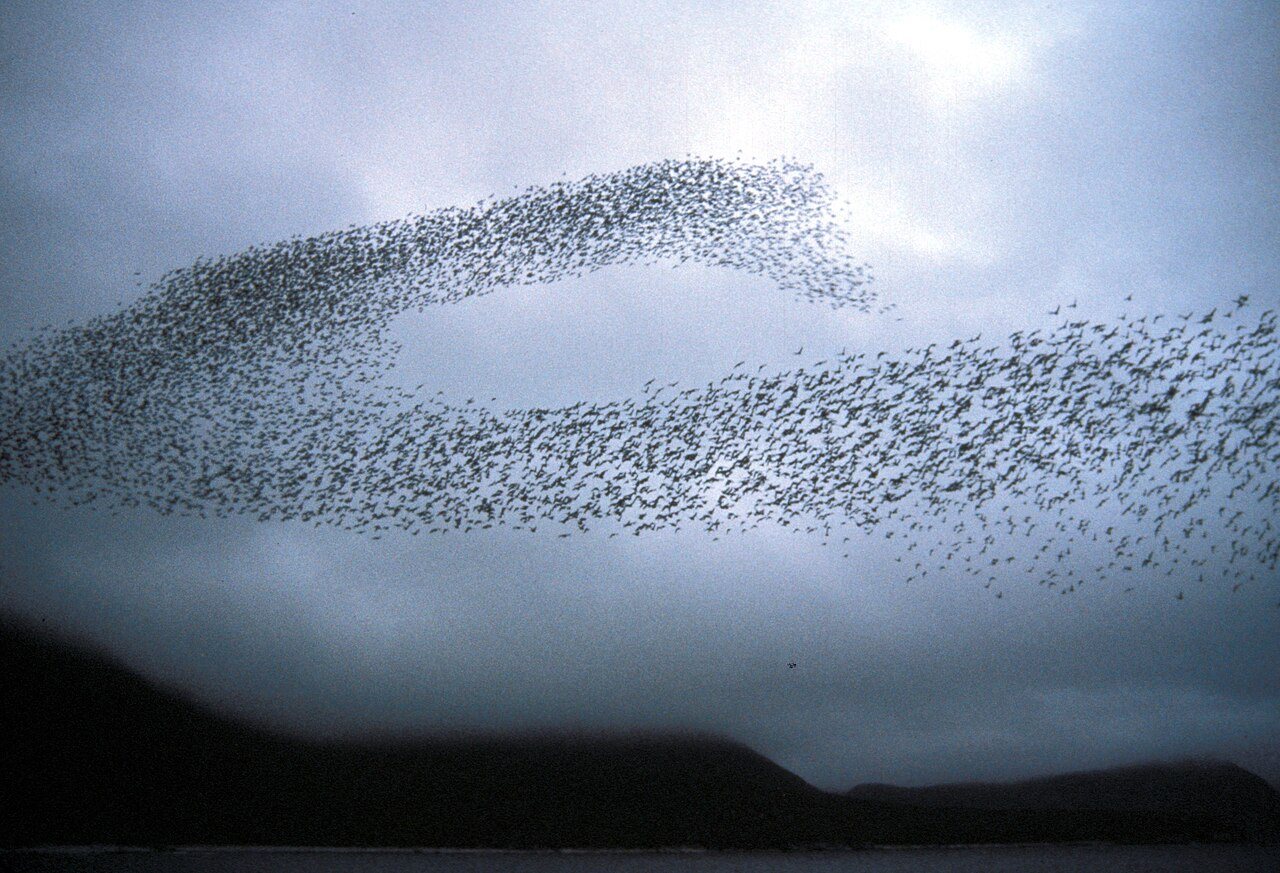
Huge swarms of bogong moths have startled residents along the New South Wales coast in recent days, but researchers say the sightings are a welcome sign for an endangered native insect whose numbers may be recovering.
Hundreds of moth sightings were posted over the weekend to the iNaturalist page for Bogong Watch, a citizen science initiative run by Invertebrates Australia. The reports came from coastal areas where residents were surprised by the sudden appearance of the moths.
One researcher said sightings of the endangered moth have increased over the last two years, but that «this year has blown them out of the water». The comment underscores how unusual the scale of the current swarms appears to be compared with recent years.
Bogong moths are a native Australian species that has suffered significant declines, leading to its listing as endangered. The insects are known for their long-distance seasonal migrations, which historically brought them in vast numbers to alpine caves and other sites where they clustered during the warmer months.
The weekend surge of sightings was concentrated in coastal New South Wales, according to the Bogong Watch reports. Residents who encountered the moths turned to the citizen science platform to document what they saw, contributing to a growing body of observations that researchers use to track the species.
Experts say the swarms should be a cause for excitement rather than alarm. The moths are harmless to people and do not pose a public health threat. Their presence in such large numbers is being interpreted as a possible indication that the species is recovering after years of decline.
The Bogong Watch initiative, run by Invertebrates Australia, relies on public participation to gather data on the moth's distribution and abundance. The hundreds of sightings logged over the weekend represent a significant contribution to that effort, giving scientists a clearer picture of where the moths are appearing and in what numbers.
While the exact reasons for the population surge are not yet confirmed, the increase in sightings over the past two years suggests a broader trend. Researchers caution that a single season of high numbers does not guarantee a full recovery, but the scale of this year's swarms has exceeded expectations.
The moths' migration is an important part of Australia's natural heritage, and their decline has been linked to factors including habitat loss, drought, and changes in weather patterns. The renewed sightings offer a rare piece of positive news for an endangered species that has been in trouble for years.
For now, residents along the NSW coast are being encouraged to enjoy the spectacle and to continue reporting their observations through Bogong Watch. Each sighting adds to the data that scientists need to understand whether the species is truly on the rebound.
The weekend's swarm has also drawn attention to the role of citizen science in monitoring wildlife. Platforms like iNaturalist allow the public to contribute directly to research, and the Bogong Watch page has become a key tool for tracking the moth's fortunes.
Researchers say they will continue to analyze the reports to determine whether the current surge represents a lasting recovery or a temporary spike. Either way, the sight of so many bogong moths in coastal New South Wales has given scientists and residents alike something to celebrate.
10