Author Fred Pearce has a measured but hopeful message about the state of the planet: humanity is running late on its biggest environmental problems, but it is finally working on them. «We're a bit late on the case, but we are on the case,» he says, summing up a conversation that touches on the rapid rise of renewable energy, the easing of old fears about global population growth, and the growing willingness to let nature repair itself.
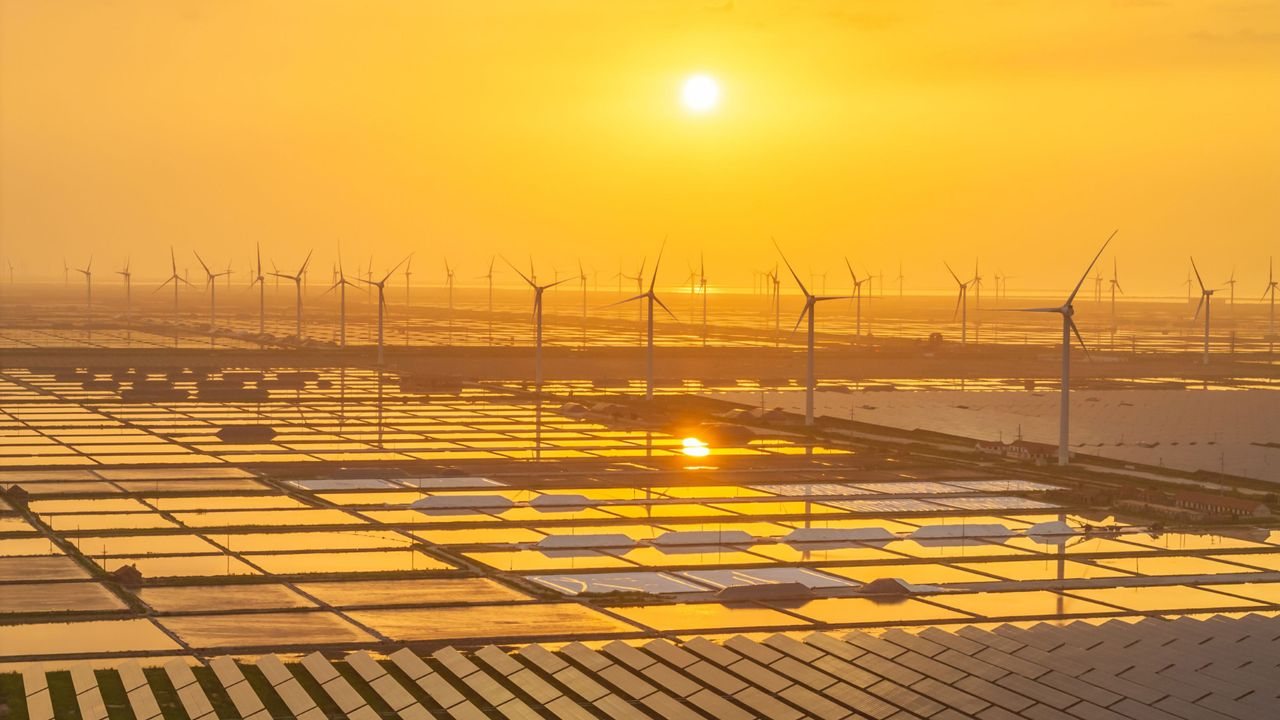
The rise of renewables is one of the main threads in Pearce's argument. For years, clean energy was treated as expensive, marginal, and unlikely to replace fossil fuels at scale. That picture has changed. Solar, wind, and other renewable sources have become increasingly common parts of the world's energy mix. Pearce presents this as one of the clearest signs that the world is beginning to respond to climate change, even if the response arrived later than it should have.
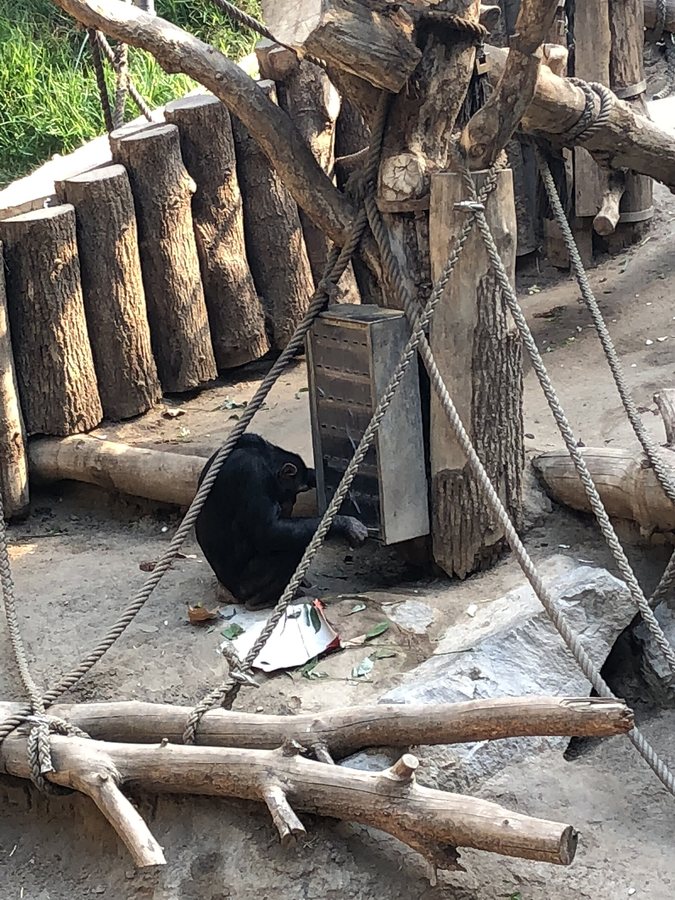
The second theme is what Pearce describes as the defused population bomb. For much of the 20th century, environmentalists warned that rapidly growing human numbers would overwhelm food supplies, water, and natural systems. Those catastrophic predictions did not come to pass. Birth rates have fallen sharply in many countries, and the feared runaway growth has given way to a more stable demographic picture, removing what once looked like an unavoidable driver of ecological collapse.
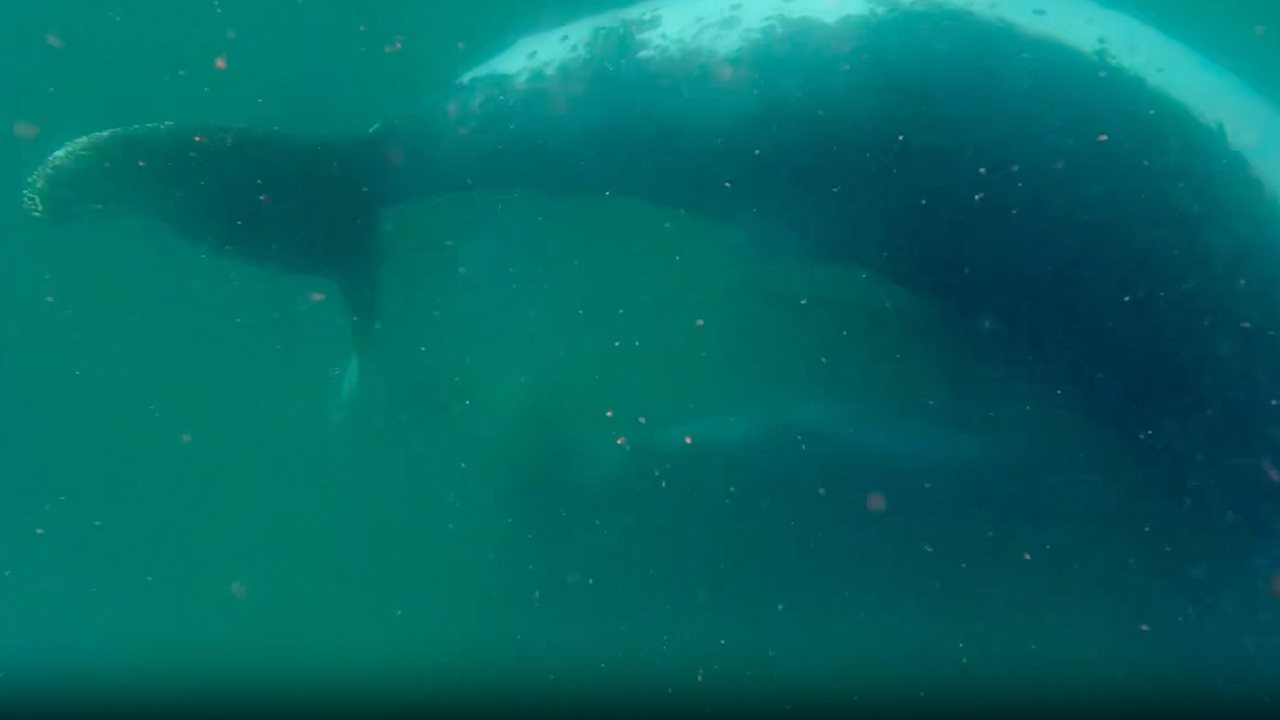
The third part of his vision is the one he frames in the most hopeful terms: letting nature find its own way. Rather than assuming damaged landscapes must always be rebuilt or endlessly managed by human hands, Pearce points to the power of natural processes to restore ecosystems on their own. Given room to work, forests can regrow, wetlands can return, and wildlife can recolonize areas from which it had disappeared.
That idea reflects a broader shift in conservation thinking. Instead of treating nature as a machine in constant need of repair, Pearce's view suggests that ecosystems have their own resilience and can recover if the pressures on them are removed. It is a more humble approach, one that asks people to protect what remains, step back, and allow the natural world to find its own balance.
Pearce's comments come at a moment of mixed environmental news. The accelerating use of renewables offers a concrete example of progress, while the fading of the population bomb has removed one of the oldest sources of environmental pessimism. Yet climate change, biodiversity loss, and habitat destruction remain serious concerns, and Pearce does not suggest that the work is finished. His point is that the direction has changed, and that the scale of the challenge is no longer an excuse for inaction.
Pearce's comments reflect a cautious optimism. The renewable transition, he suggests, proves that societies can pivot when they decide to act. The demographic shift shows that alarming trends are not always destiny. And the recovery of nature, where it is permitted, shows that the living world is more resilient than many people once feared.
Taken together, the three themes offer a reframing of the environmental debate. The old story was one of inevitable decline: more people, more pollution, more damage, and a natural world slowly being overrun. The emerging story, in Pearce's telling, is more complicated but also more open-ended. Problems that once seemed permanent can be addressed, species and habitats can bounce back, and the tools for change are already in use.
None of this means the environmental crisis is over. Pearce is careful to acknowledge that humanity is late and that the damage done so far will take generations to repair. But the phrase «we are on the case» is not meant as a boast. It is a reminder that the response, however delayed, has begun, and that the choices people make now will determine whether nature's own powers of recovery are given the chance to work.