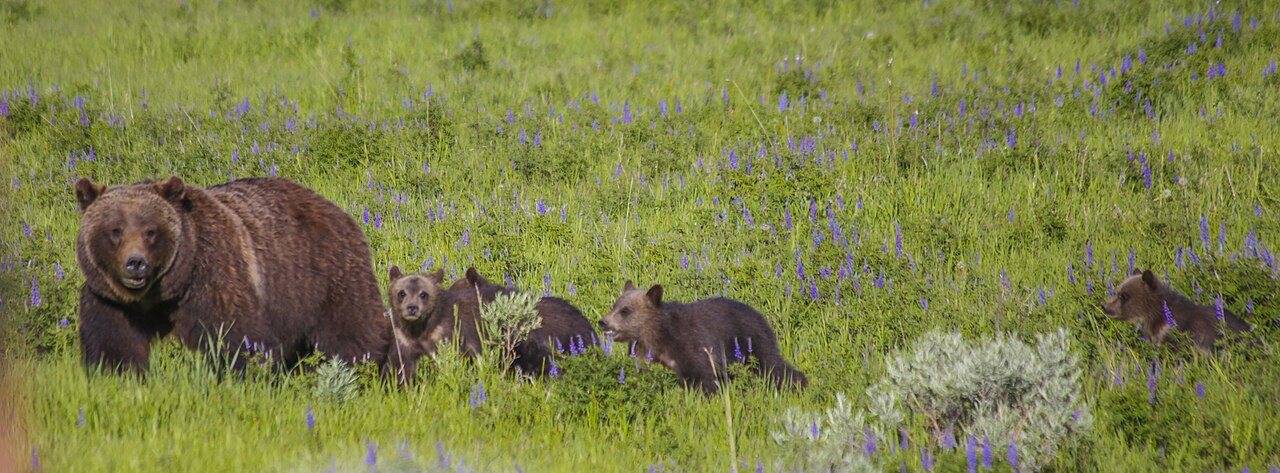
The greatest threat to a grizzly bear cub in the Greater Yellowstone Ecosystem may not be starvation, harsh weather, or human activity. It is another grizzly. This stark reality is at the center of the new documentary «Grizzly 399: Queen of the Tetons», which premiered on May 8, 2024, and follows the life of one of the most famous bears in North America.
Grizzly 399, a female bear estimated to be in her late 20s, has become a symbol of wildlife resilience in Grand Teton National Park. The film documents her efforts to raise cubs in an environment where the presence of large adult males creates constant pressure. Infanticide, the killing of cubs by adult males, is a well-documented behavior among many carnivore species, including grizzlies. When a male kills a mother's cubs, the female often returns to estrus sooner, allowing the male to mate with her.
The documentary, produced for the PBS series NATURE, uses years of footage to show how 399 navigates this danger. She has repeatedly led her cubs away from areas frequented by larger males, often moving them through human-dominated landscapes where bear densities are lower. This behavior has made her a subject of intense study and public fascination, as she balances the need for safety with the risks of human encounters.
Wildlife biologists have long noted that grizzly populations in the lower 48 states are recovering from near-extinction, but this recovery brings new challenges. As bear numbers grow, competition for food and space intensifies. Adult males, which can weigh over 600 pounds, dominate prime habitats. Cubs, weighing only about a pound at birth and remaining with their mothers for up to three years, are particularly vulnerable during their first summer and fall.
The film also highlights the broader context of grizzly conservation in the Tetons. Grizzly 399 has raised at least 22 cubs over her lifetime, a remarkable number that has contributed significantly to the local population. Her success, however, has come with complications. She frequently crosses roads, visits campgrounds, and feeds near developed areas, forcing wildlife managers to make difficult decisions about hazing and relocation.
«Grizzly 399: Queen of the Tetons» is part of a larger effort by PBS NATURE to bring wildlife science to a general audience. The episode aims to explain not only the life of one bear but also the ecological dynamics that shape predator populations. The filmmakers spent multiple seasons tracking 399, capturing rare footage of her interactions with other bears, including tense confrontations with males.
For researchers, the story of 399 offers a window into the behavioral adaptations that allow grizzlies to survive in a fragmented landscape. The documentary underscores that the biggest driver of cub mortality in this region is not a lack of food or disease, but the reproductive strategy of adult males. This finding has implications for how wildlife agencies manage bear populations, particularly in areas where human development and bear habitat overlap.
The documentary is available to stream on the PBS website and app. It joins a catalog of NATURE episodes that have covered topics from elephant communication to deep-sea exploration. For those interested in the future of large carnivores in North America, the story of grizzly 399 is both a cautionary tale and a testament to the resilience of a species that was nearly lost.
87