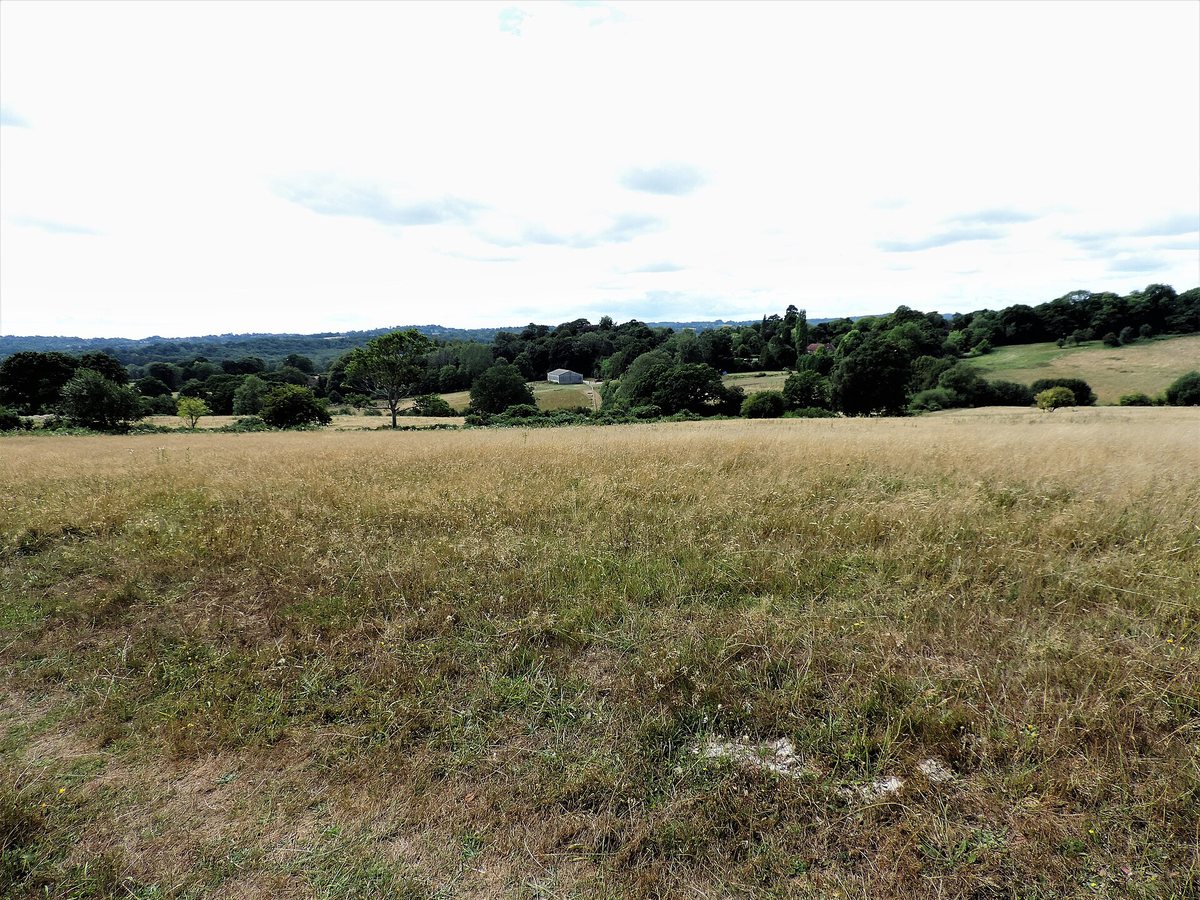
A British wildlife trust says that unusually hot weather, combined with more intensive monitoring, has produced a string of notable discoveries in its nature reserves. The finds, which include species rarely seen in the region, offer a snapshot of how shifting climate conditions are reshaping local ecosystems.
The trust, which manages a network of reserves across the country, reported that the recent heatwaves appear to have drawn out or attracted species that are normally absent or hard to spot. Warmer temperatures can extend the active seasons of insects and other wildlife, and can also encourage species from further south to venture into new territory. The increased monitoring, carried out by staff and volunteers, has helped capture these changes in detail.
Among the highlights were several species that are considered scarce or locally rare. The trust did not name every species in its announcement, but it described the finds as “interesting” and said they underline the value of keeping a close watch on protected habitats. Conservationists say such records are important because they provide early warning signs of ecological shifts, whether those involve new arrivals, changes in breeding patterns, or the decline of species that cannot cope with hotter, drier conditions.
The findings come as the UK experiences more frequent and intense heatwaves, a trend scientists link to global climate change. For nature reserves, these extreme weather events pose both challenges and opportunities. On one hand, prolonged heat can stress plants and animals, dry out ponds and streams, and increase the risk of wildfires. On the other, warmer conditions can allow certain species to expand their ranges, sometimes leading to unexpected sightings that enrich the local biodiversity record.
The trust’s experience mirrors a broader pattern observed by ecologists across the country. In recent years, southern species such as the silver-spotted skipper butterfly and the purple emperor have been recorded further north, while some Mediterranean insects have turned up on the south coast. However, scientists caution that not all range shifts are beneficial; some can disrupt existing ecological balances or bring species into conflict with agriculture.
For the trust, the immediate priority is to continue its monitoring work and to use the data to inform habitat management. By understanding which species are present and how they respond to weather extremes, reserve managers can make better decisions about everything from mowing regimes to water levels. The trust also hopes the discoveries will encourage more people to visit and support their local reserves, and to appreciate the subtle ways in which wildlife responds to a changing climate.
The finds were made during the summer, when the trust stepped up its survey efforts in response to the heat. Volunteers played a key role, spending long hours in the field recording what they saw. Their observations, combined with formal scientific surveys, are now being compiled into a database that will help track long-term trends.
Conservation groups have long argued that protected areas are vital refuges for wildlife, and these recent sightings reinforce that point. Even as the climate warms, well-managed reserves can offer a lifeline for species that might otherwise struggle to survive in a landscape dominated by intensive farming and urban development. The trust says it will continue to adapt its approach as new patterns emerge, ensuring that its reserves remain havens for both common and rare species alike.
118