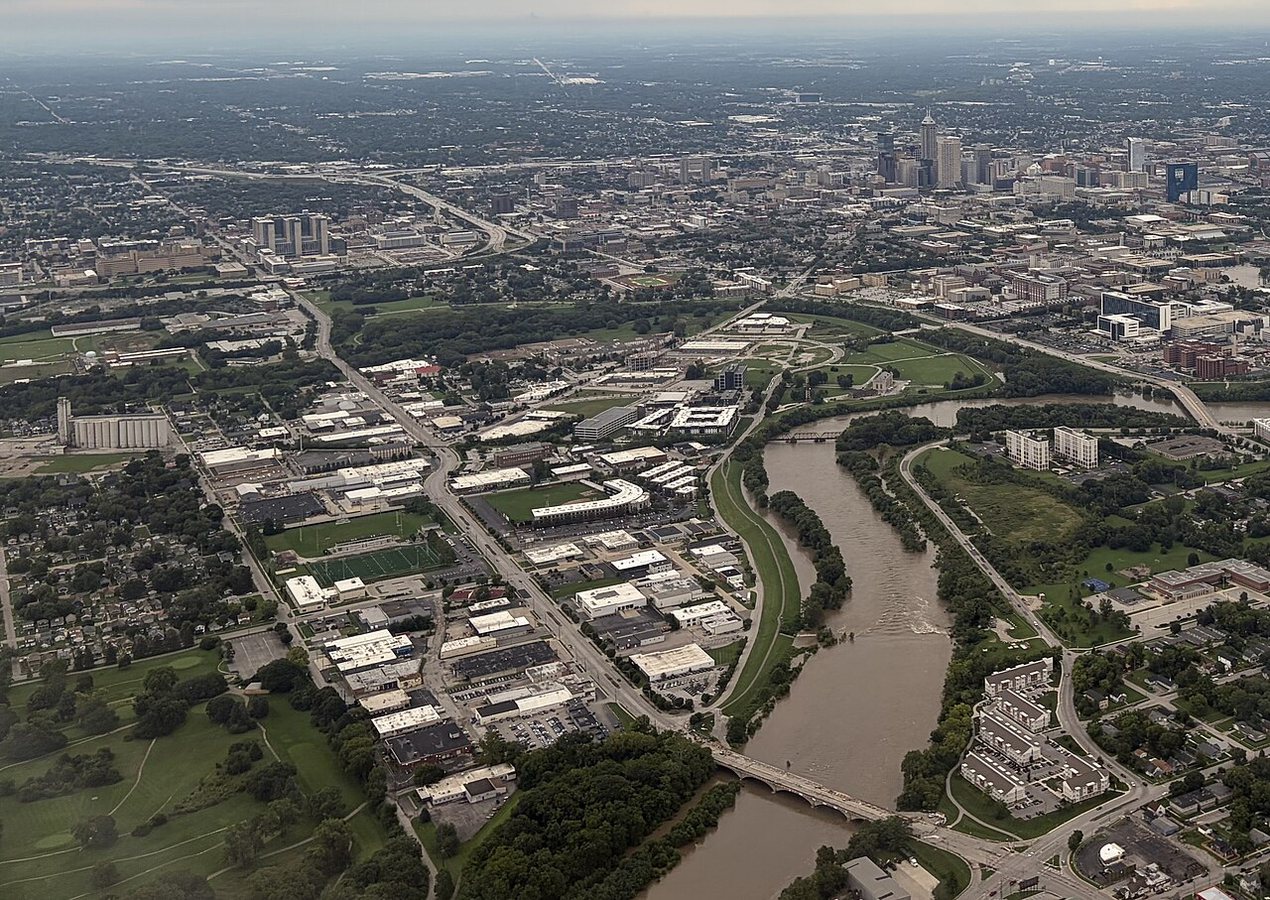
Ten days after floodwaters receded from Cambridge City's main street, the Indiana community still bears the raw marks of disaster. Abandoned cars, toilets and bathtubs are scattered across parks and side streets. Garages have been lifted from their foundations and shifted by the force of the water. Dumpsters overflow with residents' belongings, and red paint on homes marks which structures have been cleared by water rescue teams.
The scene reflects a broader crisis across swathes of Indiana, where record inundations wrecked homes and took seven lives. Yet the recovery effort is being hampered by politics as much as by the physical damage. The president has not approved emergency aid for the affected regions, leaving local officials and residents without a clear federal path to rebuilding. At the same time, the state has cut funding for environmental agencies, reducing the capacity for flood prevention and disaster response planning in the years ahead.
Cambridge City, a small community in the eastern part of the state, illustrates the scale of the destruction. The flood, described by local officials as unprecedented in its severity, overwhelmed drainage systems and pushed water into residential neighborhoods and commercial districts alike. Emergency crews conducted water rescues in the immediate aftermath, but the longer-term challenge of clearing debris, assessing structural damage and restoring basic services remains immense.
The absence of a federal emergency declaration has practical consequences. Without it, the Federal Emergency Management Agency cannot release individual assistance funds for homeowners, and state agencies cannot claim full reimbursement for their response costs. Local governments, already stretched by the expense of emergency operations, now face the prospect of absorbing those costs or delaying repairs. For residents, the uncertainty is compounded by the slow pace of insurance assessments and the difficulty of finding temporary housing in a region where rental vacancies are scarce.
The political dimension of the response has drawn criticism from local leaders and environmental advocates. They point to the state's recent budget decisions, which reduced funding for environmental oversight and floodplain management, as a contributing factor to the region's vulnerability. Wetland loss, inadequate infrastructure maintenance and limited investment in stormwater systems have made communities like Cambridge City more exposed to extreme weather events, they argue. The cuts, they say, have weakened the very agencies that would normally help communities prepare for and recover from such disasters.
Residents, meanwhile, are left to navigate the aftermath with limited support. Many have returned to their properties to salvage what they can, while others have been displaced indefinitely. Local churches and volunteer groups have stepped in to provide meals, clothing and cleaning supplies, but the need is expected to persist for months. The emotional toll is evident in the faces of those sorting through water-damaged possessions, and in the spray-painted symbols that now mark so many homes.
The situation in Indiana highlights a recurring tension in disaster management: the gap between the immediate needs of affected communities and the slower, more politicized processes of government response. While the flood itself was a natural event, the speed and adequacy of the recovery depend on decisions made in state capitals and Washington. For now, Cambridge City and its neighbors wait, their recovery uncertain, their questions about the future unanswered.
110