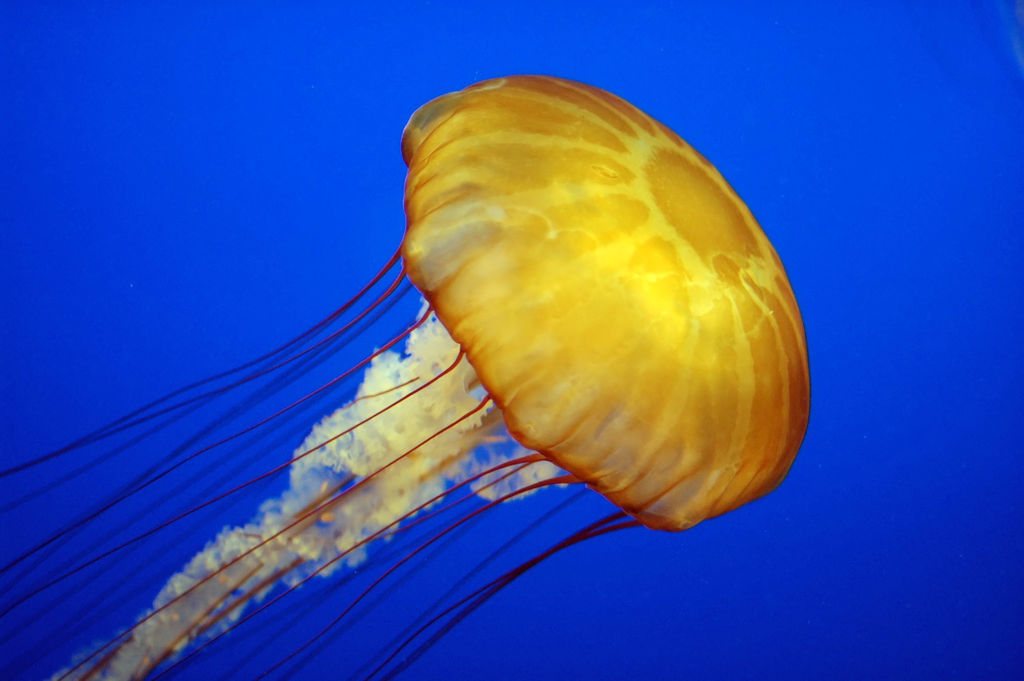
An unusually large number of jellyfish are crowding Delaware’s beaches this summer, forcing some swimmers out of the ocean and stinging lifeguards as well as bathers. Beach safety patrols across the state have reported hundreds of stings per day as the invertebrates multiply under a combination of environmental pressures, including warmer waters, hot and dry conditions, and ocean currents that carry them toward shore.
The surge has turned a typical day at the beach into a gamble, with one local official noting that getting stung is “pretty much a guarantee” for anyone entering the water. While jellyfish are a seasonal presence along the Atlantic coast, their numbers this year are far above normal, and the impact is being felt by both tourists and the lifeguards tasked with keeping them safe.
Scientists point to climate change as a key driver. Rising ocean temperatures create conditions that favor jellyfish reproduction and survival, allowing populations to expand rapidly. The region has also experienced a dry summer, and reduced freshwater runoff can increase salinity in coastal waters, which many jellyfish species tolerate well. At the same time, water circulation patterns have been favorable, pushing the drifting animals into Delaware’s swimming areas and keeping them there.
The result has been a noticeable drop in beach attendance, as families and day-trippers choose to stay on the sand rather than risk a painful encounter. Lifeguards, who are often the first to respond to sting reports, have not been spared; many have been stung themselves while assisting swimmers. Patrols are now advising beachgoers to check daily conditions, heed warning flags, and carry vinegar or other sting remedies when heading to the shore.
Jellyfish stings, while painful, are rarely life-threatening for most people. However, they can cause severe reactions in some individuals, particularly those with allergies or underlying health conditions. Medical teams at beachside first-aid stations have been treating a steady stream of patients, and local officials are urging caution, especially for children and the elderly.
The situation in Delaware reflects a broader trend observed along the US East Coast in recent years. Warmer winters and hotter summers have extended the jellyfish season, and some researchers warn that these blooms could become more frequent and intense as the climate continues to warm. While jellyfish are a natural part of marine ecosystems, their proliferation can disrupt local tourism and fishing, and it signals shifts in ocean health that merit attention.
For now, Delaware’s beaches remain open, and officials are working to balance public safety with the economic needs of coastal communities. Some towns have increased patrols and posted additional warnings, while others are exploring longer-term measures such as barrier nets or public education campaigns. But with conditions expected to persist through the rest of the summer, many are simply hoping for cooler weather and a change in currents to give swimmers a reprieve.
72