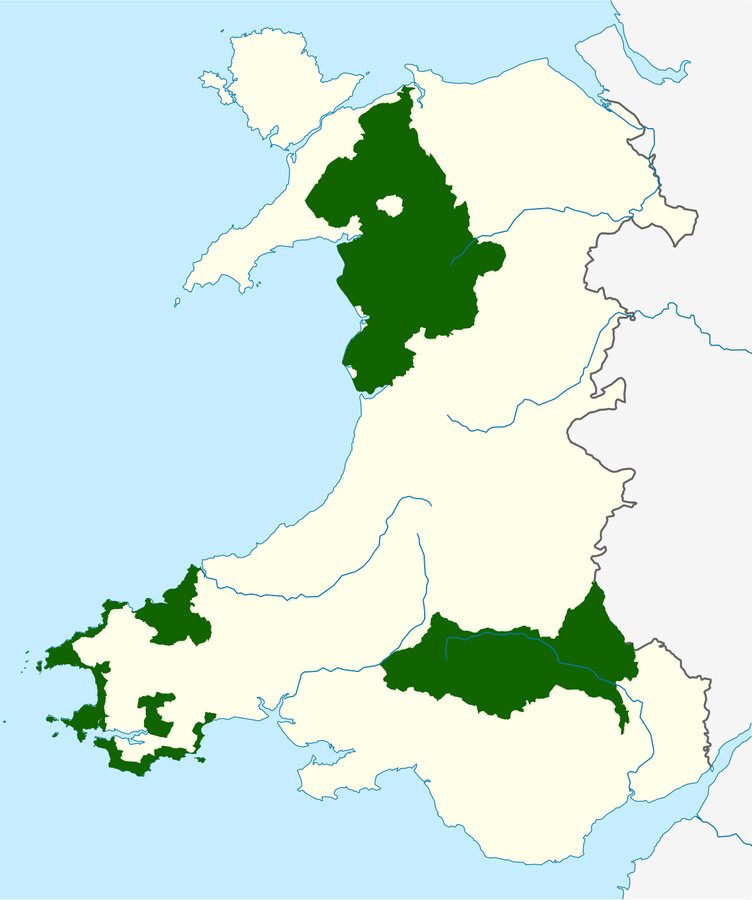
The National Trust has warned that species are on the brink of extinction in a valley within Eryri National Park, the largest national park in Wales. The conservation charity's alert focuses on an area of the park, formerly known as Snowdonia, where wildlife populations are said to be at risk of vanishing entirely.
The warning underscores a growing concern among conservationists that even landscapes afforded the highest levels of environmental protection are not immune to the biodiversity crisis. Eryri National Park, which covers roughly 823 square miles of rugged mountains, lakes, and coastline in north Wales, is one of the most visited natural areas in the United Kingdom. Its designation as a national park is intended to safeguard its ecological integrity while allowing public access, but the Trust's assessment suggests that this dual mandate may not be enough to halt species decline.
While the National Trust has not yet released a full species-by-species breakdown of the losses, its statement points to a broader pattern observed across the UK: habitat degradation, climate change, and changing land-use practices are combining to push vulnerable plants and animals toward local extinction. In upland valleys such as the one identified in Eryri, these pressures can be particularly acute, as species adapted to cool, wet conditions face warming temperatures and altered rainfall patterns.
The Trust's warning comes amid heightened public and political attention to nature recovery in Wales. The Welsh government has set targets to halt biodiversity loss and restore ecosystems, but conservation groups have repeatedly cautioned that current measures are insufficient. National parks, which are often perceived as bastions of untouched nature, can mask the slow erosion of species diversity within their boundaries.
Eryri's valleys are home to a range of wildlife, including rare mosses, lichens, and invertebrates that depend on specific microclimates. These organisms are especially sensitive to changes in temperature, humidity, and land management. The National Trust, which cares for large swaths of land across England, Wales, and Northern Ireland, has been monitoring such sites for years. Its latest warning suggests that without targeted intervention, some of these species could disappear from the area altogether.
The charity has not specified which species are most immediately threatened, but its use of the phrase «at risk of vanishing» signals that the situation is urgent. In recent decades, UK conservation reports have documented declines in everything from curlews and lapwings to rare alpine plants. The factors behind these losses are well established: agricultural intensification, drainage of wetlands, air pollution, and a warming climate that allows competitive species to encroach on specialized habitats.
For Eryri, the challenge is compounded by its popularity. Millions of visitors are drawn to the park each year, particularly to Snowdon, the highest peak in Wales. While tourism brings economic benefits, it also places pressure on fragile environments through trampling, erosion, and disturbance of wildlife. Balancing access with protection has long been a tension for park authorities.
The National Trust's intervention is likely to intensify calls for more aggressive conservation measures in Eryri and beyond. Possible responses include expanded habitat restoration, stricter land-management guidelines, and increased monitoring of at-risk species. The Trust has a history of working with partners to implement such measures, but funding and political will remain persistent obstacles.
Scientists and conservationists have argued that protected areas must be managed not just as static reserves but as dynamic ecosystems capable of adapting to environmental change. That may require rethinking how landscapes are used, from grazing practices to visitor infrastructure. The warning from the National Trust serves as a reminder that extinction is not confined to distant rainforests or coral reefs; it can unfold quietly in the valleys of a national park in Wales.
As the charity continues its work in the region, the fate of the species in question will depend on whether the warning translates into action. For now, the National Trust's message is clear: without intervention, some of Eryri's wildlife may be lost for good.
108