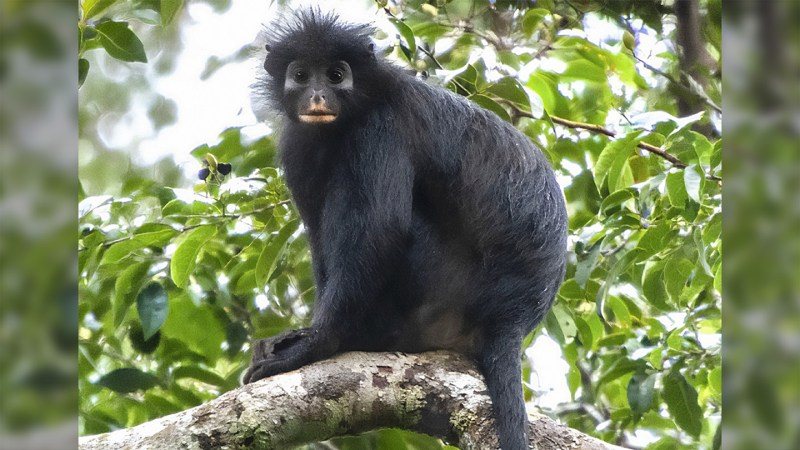
A previously unknown monkey species has been identified deep within the forests of the Democratic Republic of the Congo, based on a combination of distinctive canopy calls, a partial photograph, and genetic analysis. The discovery, announced by scientists, marks a rare addition to the primate family tree and raises immediate conservation concerns: the new species may already be at risk of extinction.
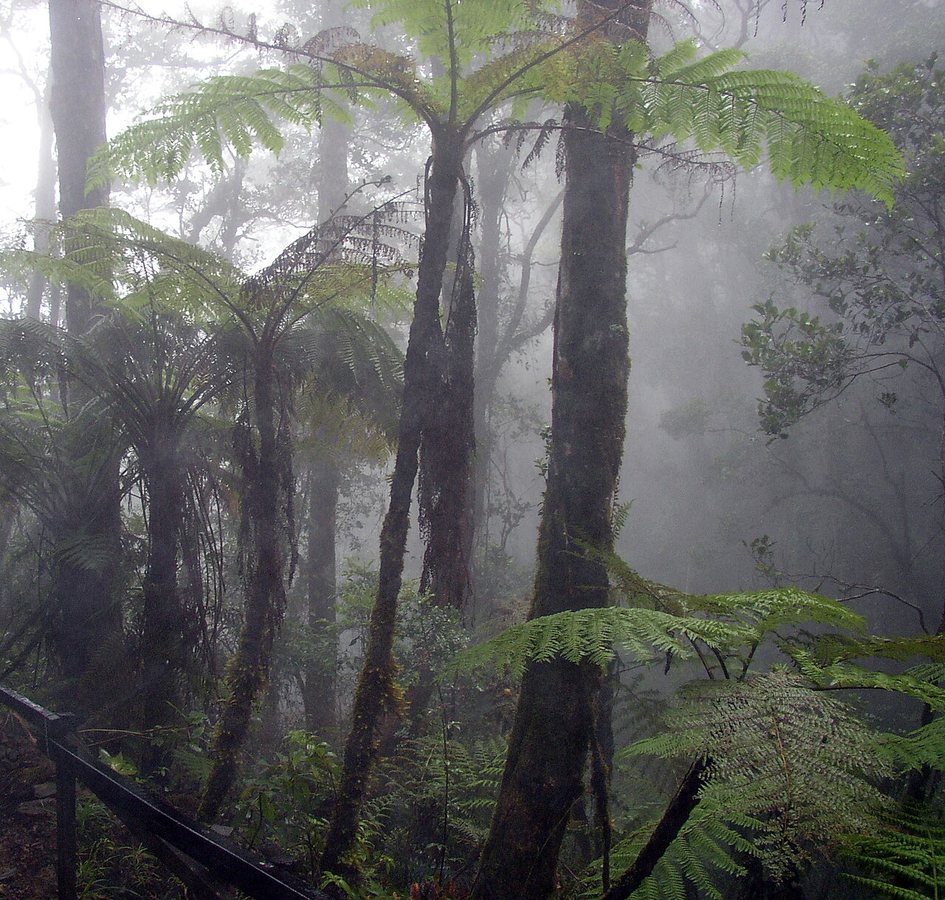
Researchers encountered the primate during fieldwork in remote forested areas of the Congo Basin, one of the world’s most biodiverse but threatened ecosystems. They recorded unusual vocalizations from the treetops, captured a partial image of the animal, and collected DNA samples that later confirmed it represents a distinct species. The findings, which rely on multiple lines of evidence, highlight how modern methods—including bioacoustics and molecular genetics—are uncovering biodiversity that would otherwise remain hidden.
The Congo Basin’s dense canopy and difficult terrain make traditional visual surveys nearly impossible, so acoustic monitoring and genetic analysis have become essential tools for discovering new species. In this case, the call recorded from the canopy was unlike that of any known monkey, prompting researchers to investigate further. The partial photo provided preliminary morphological clues, but it was the DNA data that confirmed the animal’s unique evolutionary lineage. The new species is a primate, though its exact taxonomic placement and physical description have not yet been fully published.
Because the species was only recently identified, scientists have little information about its population size, range, or specific ecological needs. However, the discovery team warned that most newly discovered primates in the Congo region are already threatened. Deforestation, bushmeat hunting, and expanding agriculture have pushed many forest species toward localized extinction, and the new monkey likely faces similar pressures. The fact that it remained undetected until now suggests it occupies a very restricted area, making it particularly vulnerable to habitat loss.
The discovery underscores the urgent need for expanded conservation surveys in the Congo Basin. Biologists argue that large tracts of primary forest must be protected not only for known species but also for those that science has yet to describe. Each new primate species represents millions of years of evolution, and its loss would be irreversible. The researchers involved in the discovery are now working to formally describe and name the species, while also assessing its conservation status under International Union for Conservation of Nature (IUCN) criteria.
This monkey joins a growing list of primate species discovered in the 21st century, several of which have been identified in Central Africa. Many of those have quickly become endangered as their habitats shrink. The discovery also demonstrates that even in a region studied by scientists for decades, significant gaps in knowledge remain. Each new finding highlights the incredible—and fragile—biological richness of the Congo Basin, and the urgent need to protect it before such species vanish before they are even properly understood.