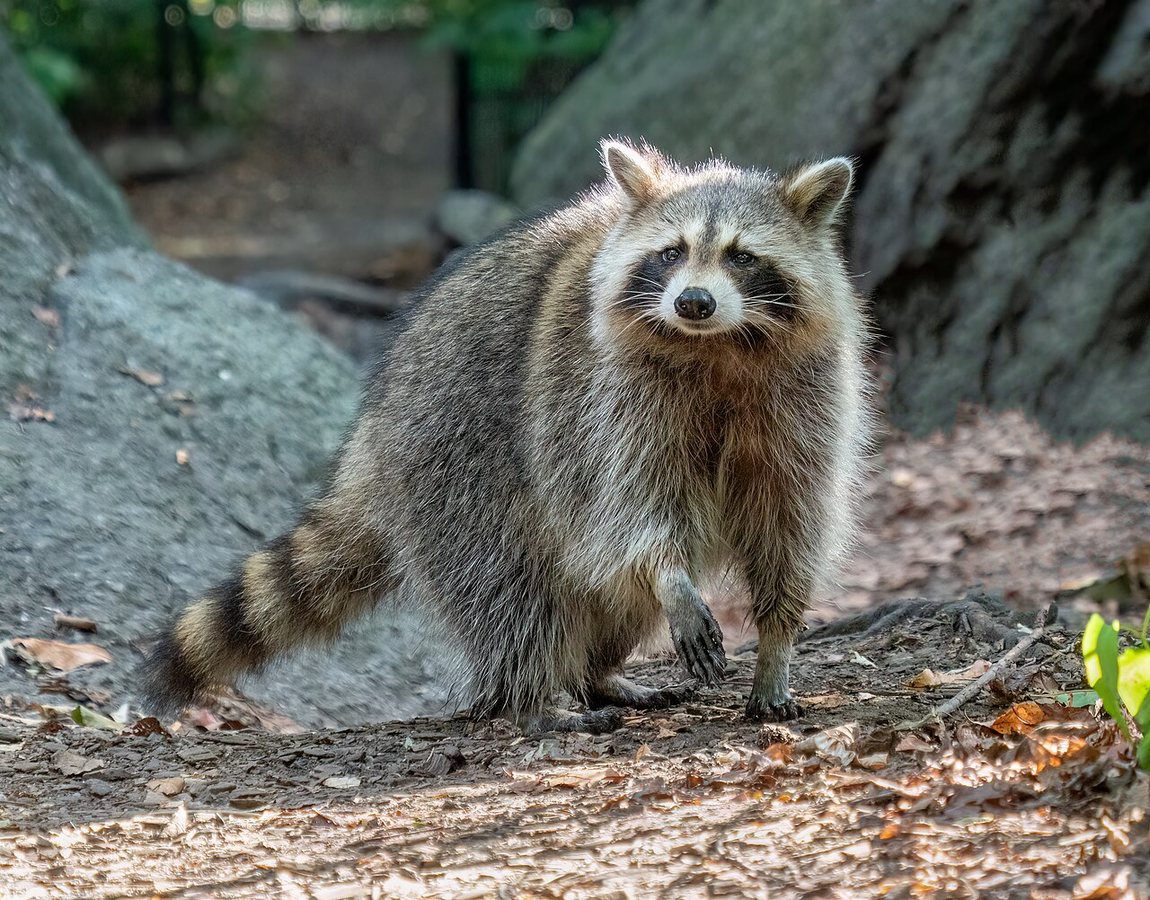
Raccoons may look adorable, but a new video from PBS Nature explores whether they could ever become pets — and the answer is far from simple. The short film, produced as part of New York University's Science, Health and Environmental Reporting Program, examines the biological and behavioral barriers that keep raccoons firmly in the wild.
Raccoons are highly adaptable animals native to North America, known for their intelligence and dexterity. They can open latches, remember solutions to tasks for years, and thrive in both rural and urban environments. These traits might make them seem like promising candidates for domestication, but experts caution that intelligence and adaptability do not equal tamability.
Domestication is a long, genetic process that unfolds over many generations. Dogs, for example, were domesticated from wolves over tens of thousands of years, gradually developing traits like reduced aggression and a natural affinity for humans. Raccoons have never undergone that process. Even individuals raised by humans from birth retain wild instincts — they can become aggressive, destructive, and difficult to manage as they mature.
The video also highlights the health risks. Raccoons can carry rabies, a viral disease that is almost always fatal once symptoms appear. They may also harbor parasites such as roundworms, which can be transmitted to humans and pets. These dangers make close contact with raccoons a serious public health concern.
Beyond health, there are ethical and ecological considerations. Removing raccoons from the wild for private ownership can disrupt local ecosystems and lead to suffering for the animals themselves. Many so-called pet raccoons end up abandoned or surrendered to wildlife rehabilitators when their behavior becomes unmanageable.
In the United States, laws regarding raccoon ownership vary widely. Some states prohibit keeping them as pets entirely, while others require permits or allow them only under specific conditions. Even where legal, experts warn that meeting a raccoon's complex needs — space, diet, enrichment, and social interaction — is nearly impossible in a typical home.
The video's takeaway is clear: raccoons are not domesticated animals, and treating them like pets can harm both humans and wildlife. Instead, people are encouraged to appreciate raccoons from a distance and support efforts to coexist with them in shared environments.
As urbanization brings humans and wildlife into closer contact, understanding the limits of domestication becomes increasingly important. The story of the raccoon serves as a reminder that not every wild animal can — or should — become a companion.
118