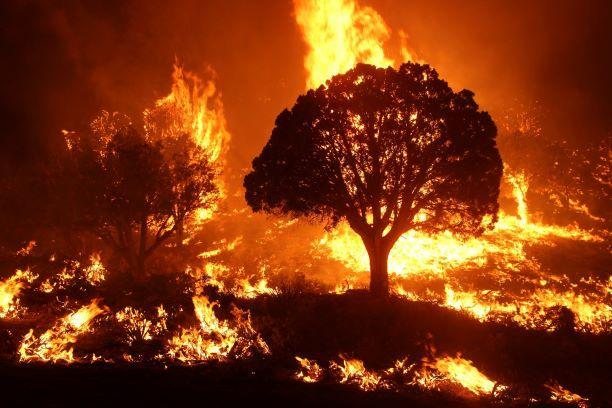
Wildfires have erupted this year in parts of Europe long considered too damp and cool to burn, a development scientists link to the accelerating effects of climate change. The blazes have struck countries where such events were once rare, underscoring how rising temperatures and shifting weather patterns are redrawing the continent's fire risk map.
The unusual fire activity follows a season of scorching heat that has dried out vegetation in regions unaccustomed to such extremes. While southern Europe has historically borne the brunt of wildfire seasons, the recent outbreaks have extended into northern and central areas, catching local authorities and residents off guard. Firefighting resources, often concentrated in Mediterranean countries, are now being stretched to respond to emergencies in places with less experience and infrastructure for managing large blazes.
Experts point to rapid climate change as the underlying driver. Warmer springs and summers, coupled with altered precipitation patterns, are creating conditions that turn lush landscapes into tinderboxes. Even brief heatwaves, when superimposed on long-term warming trends, can push moisture levels in soil and vegetation below critical thresholds. The result is that ecosystems once resilient to fire are becoming increasingly vulnerable, with implications for biodiversity, air quality, and public safety.
The phenomenon is not confined to Europe. Globally, fire seasons are lengthening and shifting, with fires now occurring in regions such as the Arctic and high-altitude forests that were previously insulated by cooler climates. In Europe, the trend is particularly visible because of the continent's dense population and the proximity of urban areas to wildland, raising the stakes for human communities and natural habitats alike.
For residents in the newly affected areas, the fires have brought smoke-filled skies, evacuation orders, and damage to property and livelihoods. Local governments are beginning to reassess their preparedness, investing in early warning systems, firebreaks, and public education campaigns. However, scientists caution that adaptation alone will not suffice; curbing the greenhouse gas emissions that drive climate change remains essential to slowing the trend.
The recent fires serve as a stark reminder that climate impacts are not confined to distant futures or traditional risk zones. As the planet warms, the familiar geography of natural disasters is being redrawn, and regions that once felt safe are discovering they are not immune. For Europe, a continent that has prided itself on its temperate climate, the message is clear: no corner is beyond the reach of a changing climate.
290