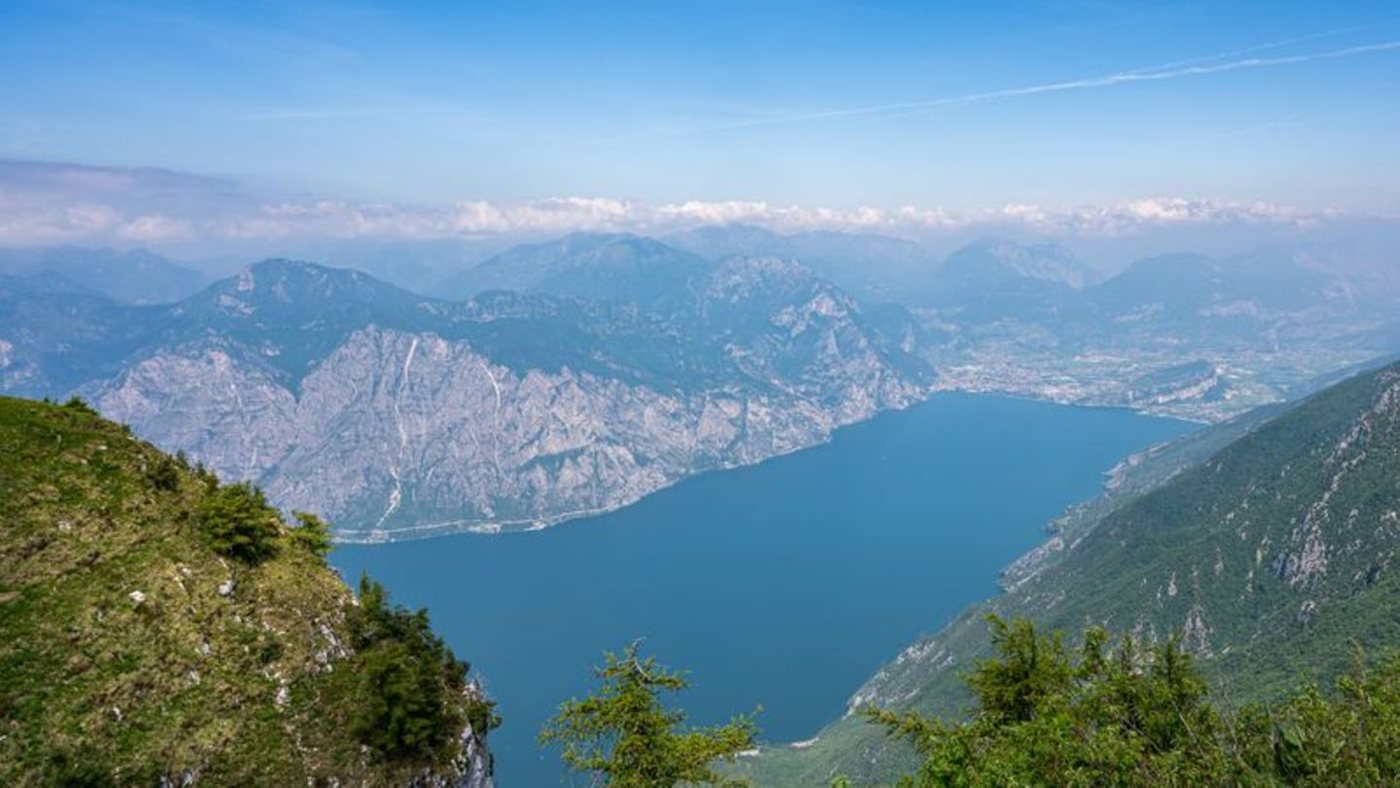
Researchers have discovered a massive underground freshwater reserve in the coastal region of northern Italy near Venice. According to the Consorzio di Bonifica Adige Euganeo, the reservoir extends over an estimated 25,000 to 30,000 hectares – an area comparable to the entire Lake Garda. Engineer and project manager Lorenzo Frison describes it as an »underground lake« of trapped freshwater.
The deposit is referred to as an aquitard, a kind of underground sponge made of clay or loam. The water is located in deep water-bearing geological layers. According to current findings, it is therefore comparatively little affected by the increasing intrusion of salt water in the region. One reason for the salinization is partly the rise of sea water in rivers, which is at least partly considered a consequence of climate change, for example because rivers carry less water.
The near-surface groundwater is already heavily salinized, the researchers explain. The salt content reaches 14 grams per liter at a depth of seven meters. This is less than sea water, which typically contains 35 grams per liter, but still harmful to agricultural crops.
The findings come from the European research project SWAMrisk, in which Croatian researchers also took part. A main goal was to investigate the effects of climate change on coastal groundwater systems along the Adriatic, in order to contain drought risks and the advance of salt water and to secure the water supply in the future.
However, the actual water volume of the new deposit and the extent to which the water could be used have not yet been determined. The news has sparked great hope in the region. It is an important discovery, said Matteo Baldan, deputy group leader of the Fratelli d'Italia party in the Regional Council of Veneto. »It could be major news for a wide area and offer an additional way to manage future water crises – including in agriculture«, the politician said. »It is a very significant deposit that needs to be investigated further.« It must be clarified which options exist for environmentally sound use so that this potential resource can be developed without affecting the hydrogeological balance.
Credit. Based on reporting for geo.de. Is this your work? Write to us.
113