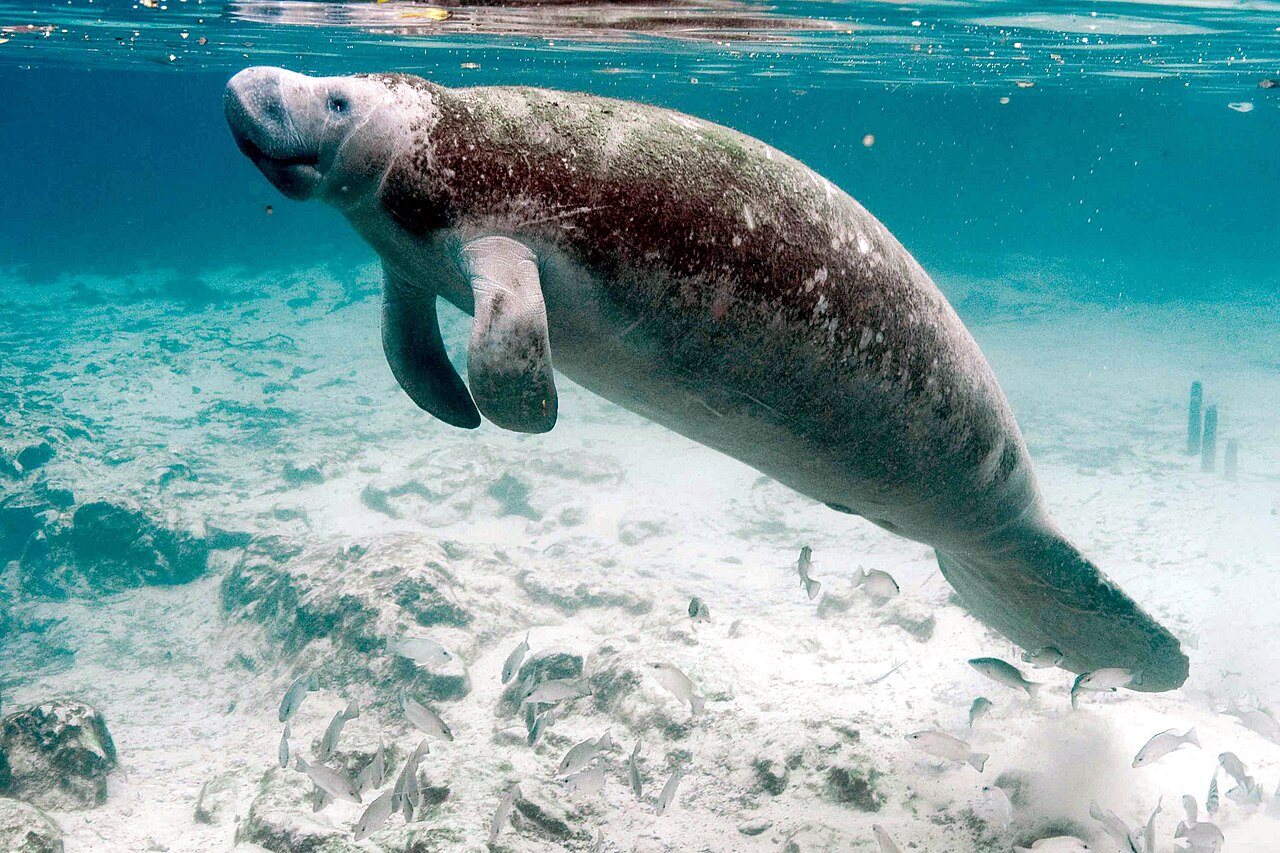
The rock hyrax may look like an oversized guinea pig, but its closest living relatives are elephants and manatees. This surprising evolutionary connection, highlighted in a recent educational video from PBS Nature, places the unassuming creature on a branch of the mammalian family tree that includes some of the largest and most distinctive animals on Earth.
Hyraxes are small, furry mammals native to Africa and the Middle East, where they typically live in rocky outcrops and savannas. Despite their modest size, they share a number of anatomical features with elephants, including tusk-like incisors, flattened nails on their feet, and a similar structure in the bones of the inner ear. Genetic studies have confirmed that hyraxes, along with manatees and dugongs, form a group known as Paenungulata, which diverged from other mammals tens of millions of years ago.
The relationship is not merely a curiosity of taxonomy. It illustrates how evolutionary pressures can produce radically different body plans from a common ancestor. While elephants grew to massive size and manatees adapted to aquatic life, hyraxes remained small and terrestrial, yet all three retain inherited traits that link them together. For scientists, the hyrax serves as a living model for studying the biology of ancient ungulates and the early evolution of afrotherians, the superorder that also includes aardvarks and golden moles.
The educational segment, shared on social media under the hashtags #edutok and #stem, is part of a broader effort by PBS Nature to make wildlife science accessible to general audiences. The short video asks viewers to guess which animal is related to the elephant, presenting the hyrax as the unexpected answer. The format is designed to engage younger viewers and spark curiosity about evolutionary biology, a field that often relies on visual comparisons to explain deep time and genetic relationships.
Hyraxes themselves are notable for more than their family ties. They live in colonies that can number dozens of individuals, communicate through a range of vocalizations, and have a complex social structure. They are also known for their remarkable thermoregulation, spending much of the day basking in the sun to warm up before foraging. Their closest fossil relatives date back to the Eocene epoch, and ancient hyrax species were once far more diverse and widespread than the modern forms, with some reaching the size of small horses.
The connection between hyraxes, elephants, and manatees has been recognized by zoologists for over a century, but it gained wider public attention through such educational content. The video is part of a growing trend of science communication that uses short, visually engaging clips to explain complex topics. By presenting an animal that most viewers would never associate with the elephant, the segment demonstrates that evolutionary history is often counterintuitive and that the natural world is full of hidden relationships.
For researchers, the hyrax remains an important subject of study in fields ranging from paleontology to behavioral ecology. Its unique position on the evolutionary tree makes it a valuable point of comparison for understanding how mammals adapted to different environments over millions of years. As public interest in wildlife science continues to grow, the hyrax offers a compelling example of how much remains to be learned about even the most familiar-looking animals.
338