Science fiction cartoons of the 1980s and 1990s offered a generation of children a portal to strange new worlds, blending action, adventure, and futuristic concepts in ways that left a lasting cultural imprint. A recent retrospective compiled by a longtime sci-fi journalist examines 20 such series, ranging from household names like «He-Man and the Masters of the Universe» to lesser-known curiosities that pushed the boundaries of children's animation. The list serves as both a nostalgic journey and a reminder of how these shows shaped early exposure to science fiction themes.
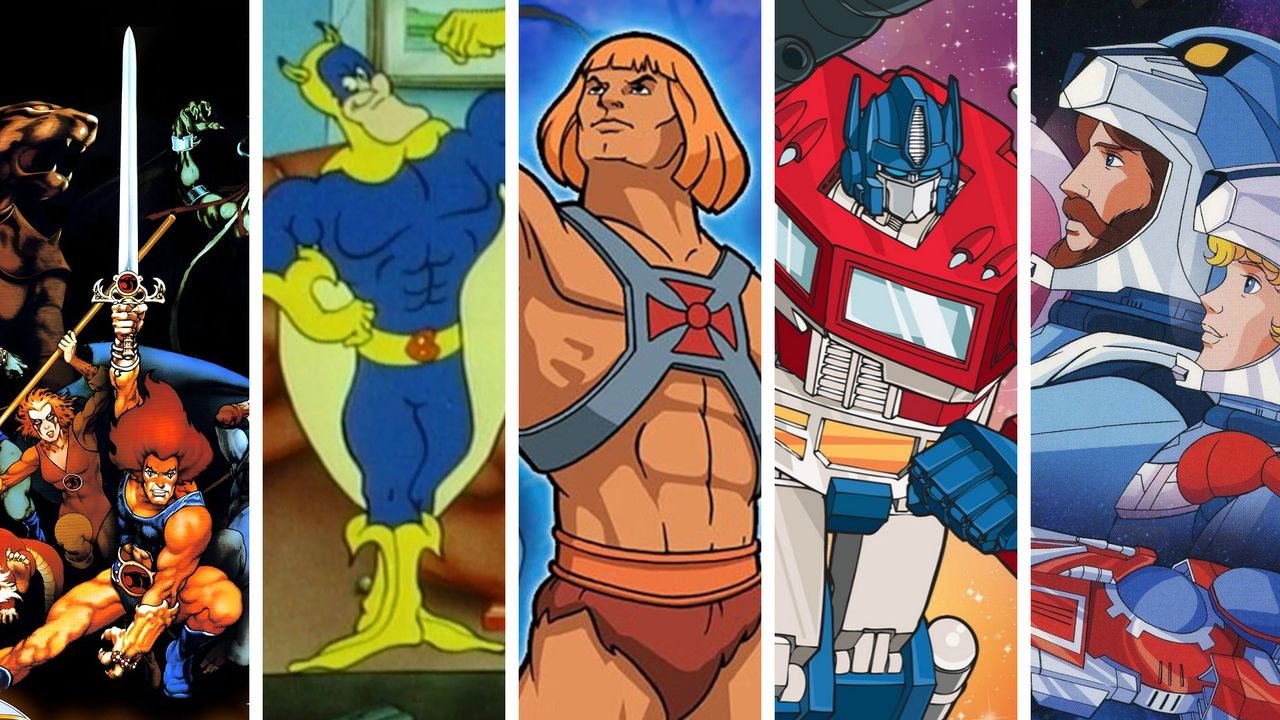
Among the most iconic entries is «He-Man and the Masters of the Universe,» which debuted in 1983 and became a syndication powerhouse. The series followed Prince Adam, who transforms into the muscular hero He-Man to defend the planet Eternia from the villainous Skeletor. With its memorable catchphrases, colorful characters, and moral lessons at the end of each episode, He-Man became a cultural phenomenon that spawned toys, movies, and a lasting fan base. The show's blend of fantasy and science fiction elements, including advanced technology and alien worlds, made it a gateway for many young viewers into the broader sci-fi genre.
Another standout is «ThunderCats,» which premiered in 1985 and followed a group of cat-like humanoids fleeing their dying planet, Thundera, only to crash-land on the mysterious world of Third Earth. The series combined space opera with fantasy, featuring the heroic Lion-O and his band of ThunderCats as they battled the evil Mumm-Ra. Its distinctive animation style, epic storytelling, and memorable theme song made it a staple of afternoon television. The show's exploration of themes such as exile, survival, and the struggle between good and evil resonated deeply with its audience.
The retrospective also highlights «Voltron: Defender of the Universe,» an American adaptation of Japanese anime that premiered in 1984. The series centered on five pilots who command robotic lions that combine to form the giant super-robot Voltron, used to defend the galaxy from the evil King Zarkon. Voltron was notable for its serialized storytelling and its emphasis on teamwork and courage. It became a major hit, leading to multiple spin-offs and a lasting legacy in mecha anime fandom.
More obscure entries include «The Adventures of the Galaxy Rangers,» a 1986 series that blended Western and sci-fi aesthetics. Set in the year 2086, the show followed a team of rangers equipped with advanced technology as they protected the frontier of space. It was praised for its mature themes, complex characters, and high-quality animation for its time. Similarly, «Jayce and the Wheeled Warriors» (1985) featured a young hero battling the evil Monster Minds with the help of transforming vehicles, offering a fast-paced mix of action and vehicle design that appealed to young audiences.
«BraveStarr» (1987) was another hybrid, combining Western and science fiction elements. Set on the planet New Texas, the series followed Marshal BraveStarr, a Native American-inspired hero who used mystical powers and advanced technology to maintain peace. The show was notable for being one of the first animated series to feature a Native American protagonist and for addressing environmental and social issues within its episodic plots.
Japanese anime imports also played a significant role. «Robotech» (1985) was an American adaptation of three Japanese series, weaving them into a single epic narrative about humanity's struggle against alien invaders. Its complex storylines, character deaths, and mature themes set it apart from typical children's cartoons and introduced many young viewers to the concept of anime as a serious storytelling medium. «Star Blazers» (1979, but widely syndicated in the '80s) adapted the Japanese series «Space Battleship Yamato,» following the crew of a rebuilt battleship on a mission to save Earth from radiation. Its serialized, dramatic narrative was groundbreaking for American television at the time.
The list also includes lighter fare like «The Jetsons,» which, though originally from the 1960s, remained popular in reruns throughout the '80s and '90s. The show presented a comedic vision of the future with flying cars, robot maids, and video phones, influencing popular perceptions of what the 21st century might look like. «Danger Mouse» (1981) offered a British take on sci-fi comedy, following the adventures of a secret agent mouse and his bumbling sidekick, often parodying James Bond and other genre tropes.
Some series pushed creative boundaries in unusual directions. «The Mysterious Cities of Gold» (1982) combined historical exploration with science fiction, following a young boy in the 16th century who searches for lost cities of gold using advanced solar-powered technology left by an ancient civilization. The show was praised for its educational content and its serialized adventure story. «Ulysses 31» (1981) reimagined Homer's Odyssey in space, with the hero Ulysses cursed to wander the universe until he finds the Kingdom of Hades. Its blend of classical mythology and sci-fi visuals was unique for its time.
Other notable entries include «SilverHawks» (1986), about a team of cyborg heroes fighting crime in the galaxy; «Centurions» (1986), featuring heroes with modular weapon systems; and «M.A.S.K.» (1985), which combined transforming vehicles with secret agent missions. Each series contributed to a rich tapestry of animated science fiction that defined the childhoods of millions.
The retrospective underscores how these cartoons, whether iconic or weird, served as a formative influence. They introduced young audiences to concepts like space travel, alien life, advanced technology, and moral dilemmas, often wrapping them in colorful, action-packed packages. For many children of the '80s and '90s, Saturday morning cartoons were not just entertainment — they were a first step into the vast, imaginative universe of science fiction.
238