As the climate crisis intensifies, a growing number of scientists and entrepreneurs argue that technological intervention—known as geoengineering—may be humanity's last hope to avert ever-worsening catastrophes. But the desire to reshape the planet's environment is not new. A recent review by environmentalist Tim Flannery outlines five of the most outlandish geoengineering ideas from the 20th century, revealing a long history of grand ambitions that, in retrospect, seem doomed or absurd.
Among the proposals Flannery highlights is a plan to bomb the Arctic. The idea, which emerged during the Cold War, involved using nuclear explosions to melt Arctic ice and open up shipping routes. Proponents believed that detonating bombs could alter the region's climate, but the scheme was never implemented due to the obvious risks of radioactive fallout and the unpredictable consequences for global weather patterns.
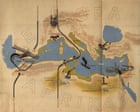
Another audacious concept was damming the Mediterranean Sea. Engineers proposed constructing a massive dam at the Strait of Gibraltar, which would have effectively turned the Mediterranean into a giant lake. The plan aimed to generate hydroelectric power and control sea levels, but it would have disrupted marine ecosystems, altered regional climates, and required an engineering feat far beyond the technology of the time.
Perhaps the most futuristic idea was building a second moon. Some scientists suggested placing a large artificial satellite in orbit to reflect sunlight onto Earth's surface, potentially warming cold regions or extending daylight hours. The project was never seriously pursued, as the cost and technical challenges were prohibitive, and the potential for unintended consequences—such as disrupting natural satellite orbits—was immense.
Other proposals included cloud brightening, which involves spraying seawater into the atmosphere to make clouds more reflective, and injecting sulfur particles into the stratosphere to block sunlight—a concept inspired by volcanic eruptions. While these ideas have gained traction in recent decades, Flannery notes that they were first floated in the mid-20th century, long before the climate crisis became a mainstream concern.
Flannery's review serves as a reminder that the human desire to control the climate has deep roots. From the biblical notion of dominion over the Earth to modern geoengineering schemes, the impulse to remodel the environment has often been driven by a mix of hubris and desperation. Many of these early proposals were never implemented, but they laid the groundwork for today's debates about the ethics and feasibility of large-scale climate intervention.
Today, geoengineering is increasingly seen as a necessary tool to buy time while the world transitions to renewable energy. However, critics warn that such interventions could have unforeseen side effects, such as disrupting rainfall patterns or damaging the ozone layer. The legacy of 20th-century proposals, Flannery argues, is a cautionary tale: even the most well-intentioned plans can backfire if they are not grounded in rigorous science and careful risk assessment.
As the climate crisis worsens, the line between outlandish and practical may continue to blur. But the history of geoengineering suggests that the most ambitious ideas often come with the greatest risks—and that the best way to remodel the climate may be to focus on reducing emissions in the first place.
122