Why have we not yet encountered intelligent aliens? A recent essay by Adam Kirsch explored this enduring question, and readers have offered a fresh perspective: the availability of fossil fuels. In letters responding to the piece, several readers argue that advanced technology capable of interstellar travel may require an industrial revolution, which on Earth was powered by coal, oil, and gas. Without easily accessible fossil fuel equivalents, intelligent alien species might remain stuck at a pre-industrial stage of development, unable to leave their home planets.
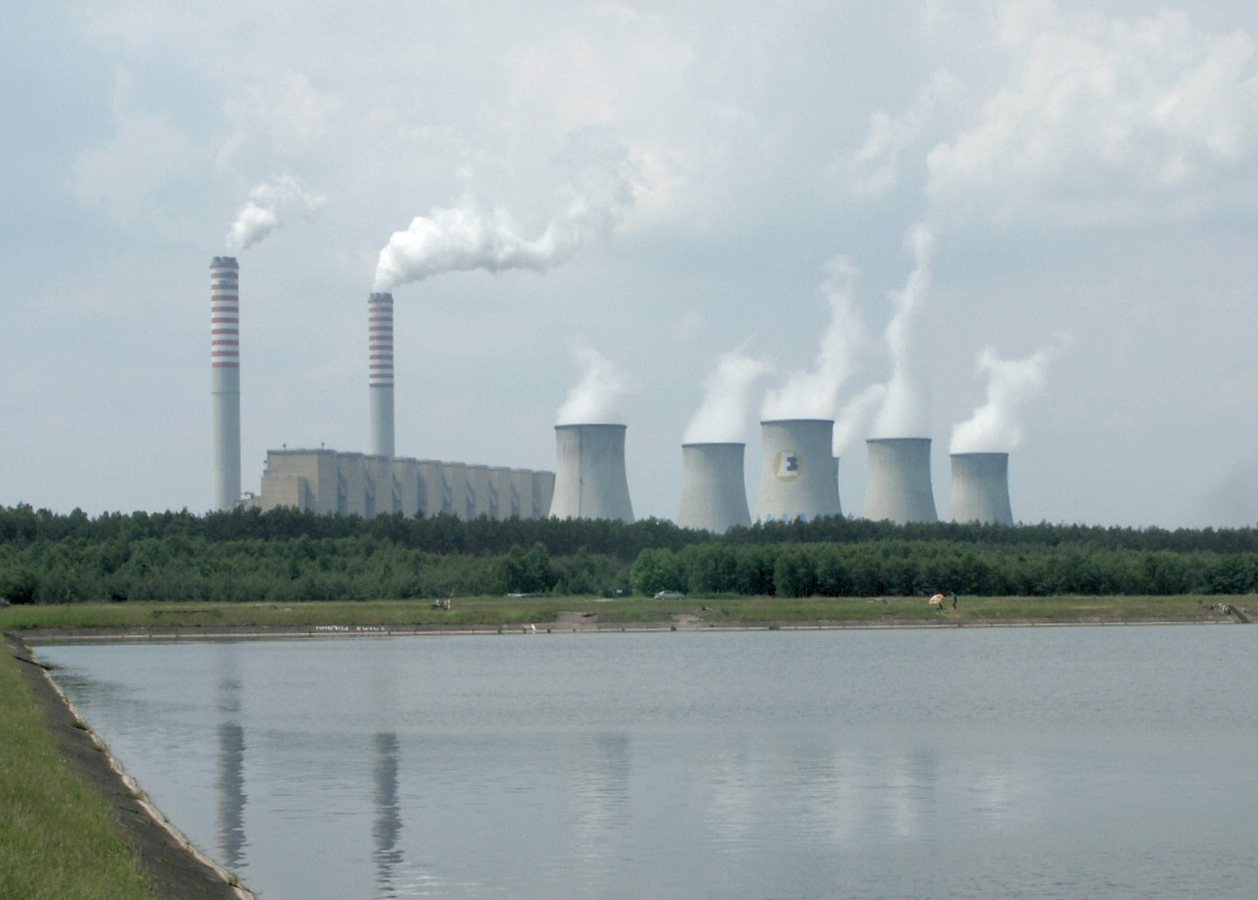
The hypothesis suggests that while intelligent life could emerge on countless worlds, the leap from agrarian society to spacefaring civilization is not guaranteed. On Earth, the Industrial Revolution was fueled by abundant coal, followed by oil and gas, which provided the dense energy needed to develop machinery, electricity, and eventually rockets. On planets lacking such resources, intelligent species might develop sophisticated cultures but never achieve the technological capability to make contact or travel beyond their own atmosphere. This would explain why we see no signs of extraterrestrial civilizations, despite the statistical likelihood of their existence.
The letters were prompted by Kirsch's long read, published on 11 August, which examined the Fermi paradox — the apparent contradiction between the high probability of extraterrestrial life and the lack of evidence for it. Kirsch's article touched on various explanations, from the vastness of space to the possibility that advanced civilizations self-destruct. The fossil fuel argument adds a pragmatic, resource-based dimension to the debate, suggesting that the path to interstellar communication may be more fragile than often assumed.
One reader noted that many intelligent alien races could exist, but on planets without a fossil fuel equivalent, they would never progress beyond a 17th-century level of development. This idea aligns with broader discussions in astrobiology about the conditions necessary for technological civilizations. It also raises questions about the sustainability of our own energy use and whether reliance on finite resources is a universal bottleneck for intelligent life.
While the fossil fuel hypothesis is speculative, it highlights the importance of planetary geology in shaping the destiny of intelligent species. It also serves as a reminder that the search for extraterrestrial intelligence (SETI) may need to consider not just habitable zones and liquid water, but also the availability of energy-dense resources. As scientists continue to scan the skies for signals, this reader-driven theory offers a thought-provoking addition to the ongoing conversation about our place in the universe.
109