Flash floods that tore through the Nepal-Tibet border region on Wednesday have left scores of people dead and more than a thousand missing, with scientists now investigating whether a massive glacial collapse in the Himalayas triggered the disaster. The sudden wall of water swept through valleys and settlements with little warning, destroying homes, infrastructure, and farmland in one of the most devastating natural events the region has seen in years.
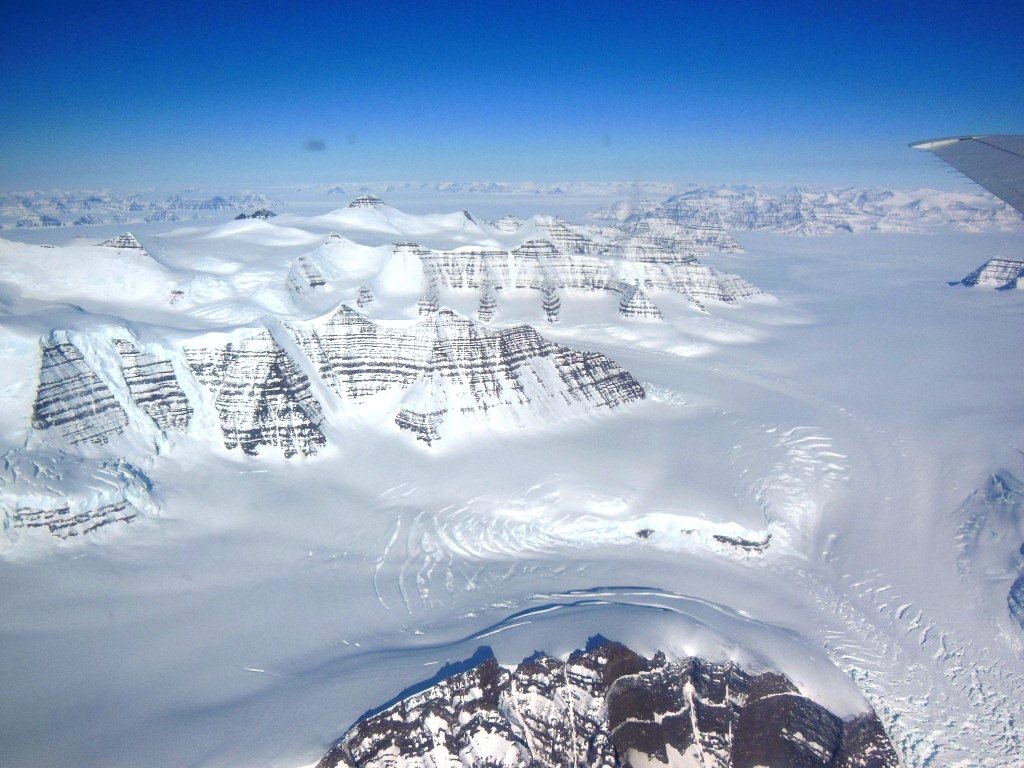
Early assessments point to a glacial lake outburst flood, a phenomenon in which a glacier retreats, melts, or collapses, releasing a sudden surge of water and debris downstream. In this case, researchers suspect that a large section of a glacier broke away high in the mountains, sending ice, rock, and water cascading into a valley below. The resulting flood wave then traveled rapidly downriver, catching communities unprepared.
The exact sequence of events is still being pieced together by glaciologists and disaster response teams. Satellite imagery and field reports are being analyzed to determine whether the collapse was caused by a buildup of meltwater, a rockfall onto the glacier, or a combination of factors. What is already clear is that the scale of the flooding was extreme, with water levels rising suddenly and debris flows carrying boulders and mud across wide areas.
Climate change is emerging as a central question in the investigation. The Himalayas are warming at a rate faster than the global average, and glaciers across the region have been thinning and retreating for decades. Warmer temperatures increase the amount of meltwater stored in glacial lakes, raising the pressure on natural dams of ice and rock. When those dams fail, the result can be catastrophic flooding far downstream.
This is not the first such event in the region. Glacial lake outburst floods have been documented across the Himalayas, the Andes, and the Alps, and their frequency is believed to be rising as glaciers respond to a warming climate. Scientists have long warned that communities living in high-mountain valleys face growing risks from these sudden releases of water, and that monitoring and early warning systems are often inadequate in remote areas.
The disaster has also highlighted the vulnerability of the Nepal-Tibet border region, where steep terrain, fragile geology, and seasonal monsoon rains create conditions for rapid erosion and landslides. The flood struck during a period of intense rainfall, which may have contributed to the instability of the glacier and the speed of the water surge. Whether the rain alone could have caused such a flood, or whether it simply added to the effects of a glacial collapse, remains under investigation.
Rescue operations are underway, with teams searching for survivors and recovering bodies from the debris. The number of missing, reported to be more than a thousand, underscores the difficulty of reaching affected areas, many of which are accessible only by foot or helicopter. Local authorities are coordinating with national agencies and international partners to provide aid and assess the full extent of the damage.
For scientists, the event is a stark reminder of the power of glacial processes and the speed with which they can reshape landscapes. Understanding what happened in the hours before the flood will be critical for improving hazard assessments and for designing early warning systems that can give people time to evacuate. The findings may also inform broader debates about how mountain communities can adapt to a changing climate, where the risks of such disasters are expected to grow.
The investigation is ongoing, and researchers are expected to release more detailed analyses in the coming weeks. For now, the focus remains on the human toll and on the urgent need to understand a disaster that struck with devastating speed and force.
129