Scientists have achieved a breakthrough in laser technology by shrinking ultrafast lasers, which are typically large and complex devices, onto a tiny chip. This development, described as the «holy grail» of the field, could transform applications ranging from medical diagnostics to high-speed telecommunications. The innovation addresses a long-standing challenge in photonics: making powerful, precise lasers compact enough for widespread use.
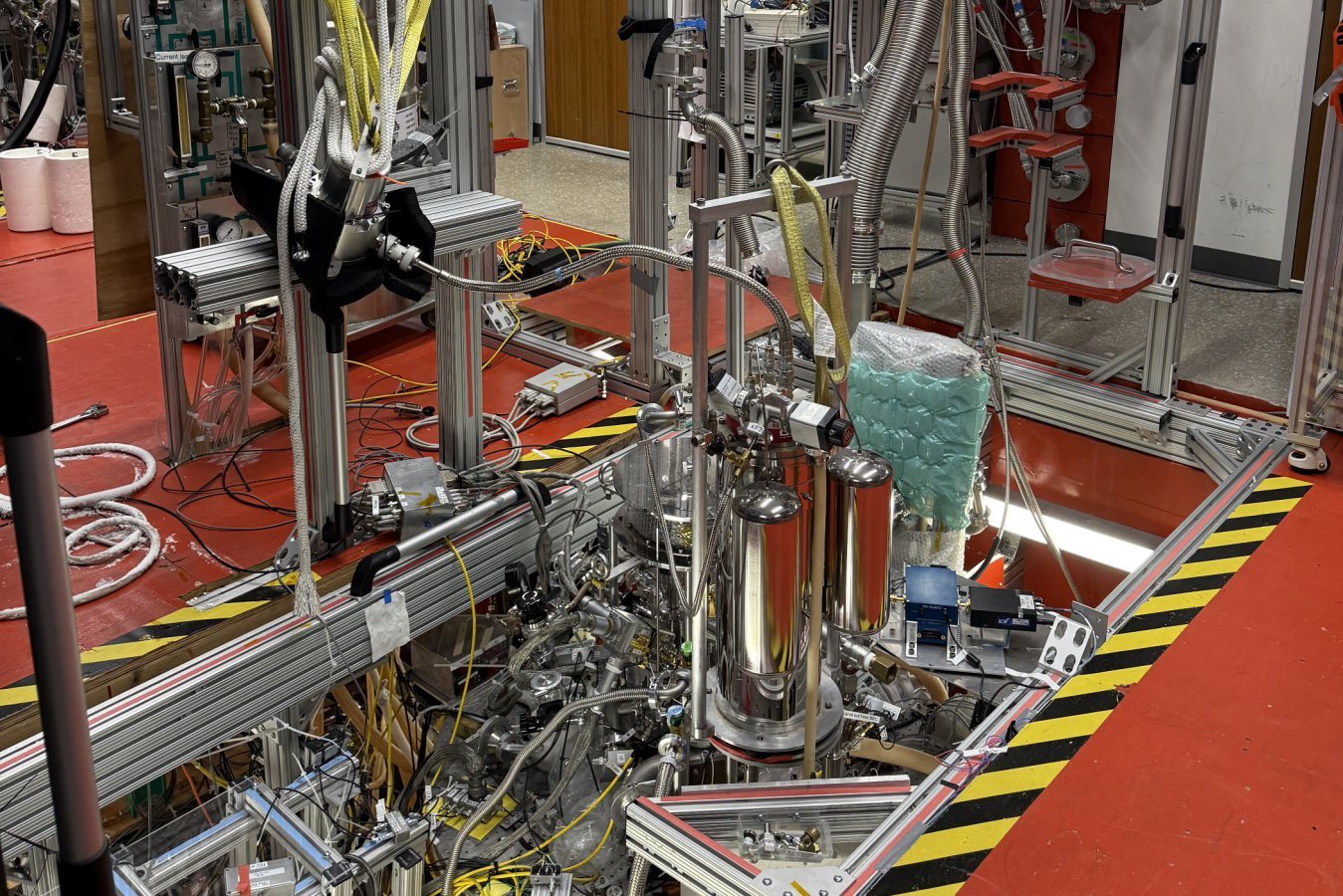
Ultrafast lasers emit pulses of light that last only quadrillionths of a second, enabling them to cut materials with extreme precision or capture rapid processes like chemical reactions. However, their size and cost have limited them to specialized laboratories and industrial settings. The new chip-based design integrates all essential components—including the laser source, amplifier, and pulse control—onto a single semiconductor platform, dramatically reducing the footprint and energy requirements.
The research team, led by experts in integrated photonics, used advanced fabrication techniques to create a laser that produces pulses with durations of less than one picosecond. The chip is made from materials commonly used in the electronics industry, such as silicon and gallium arsenide, which allows for mass production at lower costs. This approach could make ultrafast lasers accessible for portable devices, such as handheld medical scanners or compact environmental sensors.
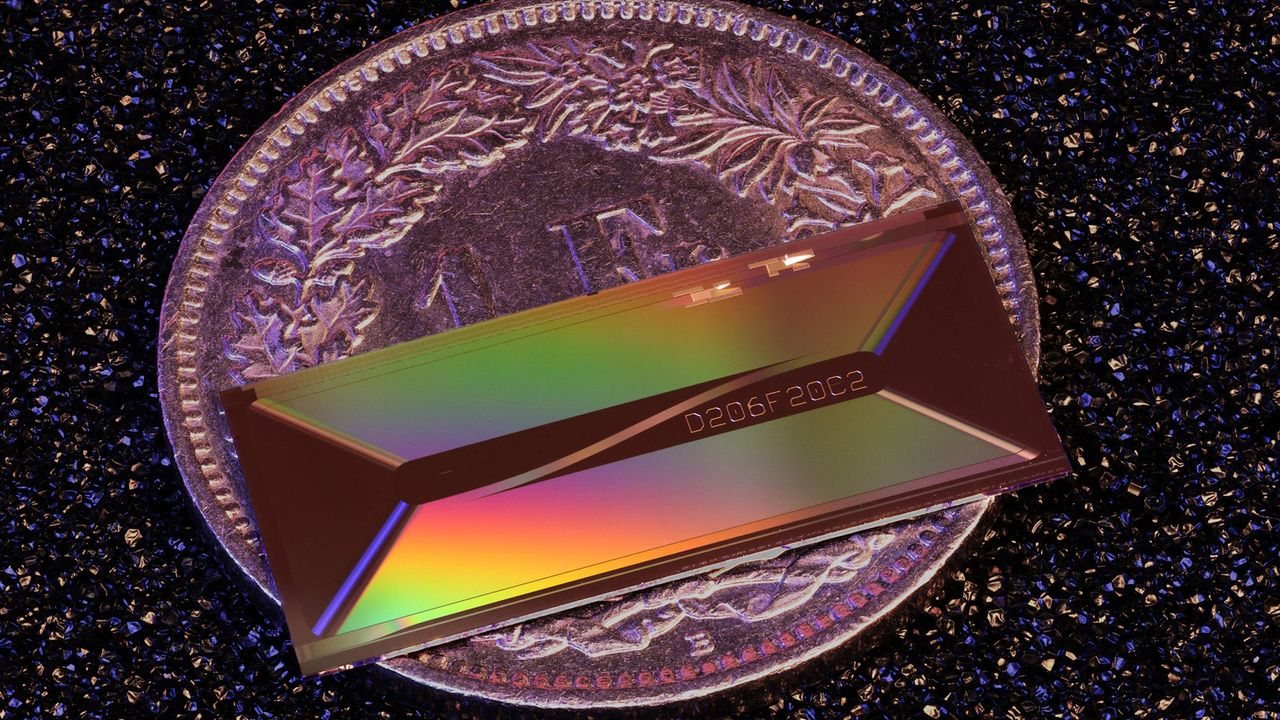
One of the key challenges was maintaining the stability and power of the laser pulses while miniaturizing the system. The researchers overcame this by using a novel design that combines a gain medium—a material that amplifies light—with a saturable absorber, which helps generate short pulses. The entire setup is etched onto a chip measuring just a few millimeters across, a fraction of the size of conventional tabletop lasers.
The potential applications are vast. In medicine, ultrafast lasers could be used for non-invasive surgeries or advanced imaging techniques that detect diseases at the cellular level. In telecommunications, they could enable faster data transmission by encoding information in ultrashort light pulses. Additionally, the technology could aid in scientific research, such as studying quantum phenomena or developing new materials.
This breakthrough builds on decades of progress in laser miniaturization, from the invention of the laser diode in the 1960s to recent advances in photonic integrated circuits. The researchers note that while the chip-based laser is still in the prototype stage, further refinement could lead to commercial products within a few years. They are now working on improving the laser's efficiency and pulse energy to meet the demands of real-world applications.
The development has been met with enthusiasm from the scientific community, as it promises to democratize access to ultrafast laser technology. By making these devices smaller, cheaper, and more energy-efficient, the innovation could accelerate progress in fields that rely on precise light control. The team plans to collaborate with industry partners to scale up production and explore new use cases.
In summary, the miniaturization of ultrafast lasers onto a chip represents a significant leap forward in photonics. It not only solves a fundamental engineering problem but also opens the door to a new generation of compact, powerful laser systems that could impact everyday life. As the technology matures, it may become as common as the laser pointers and barcode scanners that once seemed revolutionary.
160