Since Hurricane Sandy devastated the East Coast in 2012, a growing labor movement has been working to address both the climate crisis and economic inequality. That movement now faces a new challenge: the Trump administration’s open hostility to clean energy, particularly wind power. Despite the political headwinds, unions are pressing forward, arguing that good jobs and a livable planet are not competing priorities but complementary goals.
Ryan McElroen spent years repairing the New York City subway system, working in darkness underground. Then he got the chance to work in the middle of the ocean. “I had no views other than the darkness at work,” he said. “Then I went polar opposite.” McElroen is one of many union workers who have transitioned from traditional infrastructure jobs to offshore wind construction, a field that offers high wages, safety standards, and a sense of purpose in the fight against climate change.
The labor movement’s embrace of clean energy is not new, but it has gained urgency as the Trump administration has rolled back federal support for renewables. The president has repeatedly attacked wind power, falsely claiming it is unreliable and harmful to wildlife, and his administration has moved to slow or block offshore wind projects. Yet union leaders say the demand for clean energy jobs is only growing, driven by state policies, corporate commitments, and the simple economics of falling costs for wind and solar.
“We are not going to let politics get in the way of good jobs,” said a spokesperson for a major building trades union. “Our members want to work, and they want to work on projects that don’t destroy the planet. Offshore wind is a perfect fit.” The union movement has also pushed for strong labor standards in clean energy projects, including prevailing wages, apprenticeship programs, and local hiring requirements, ensuring that the transition to a low-carbon economy benefits workers and communities, not just corporations.
The stakes are high. According to industry estimates, offshore wind alone could support tens of thousands of jobs in the coming decades, from manufacturing and construction to operations and maintenance. Union officials argue that without federal support, the US risks falling behind other countries, particularly in Europe and Asia, where offshore wind is already a major industry. They also warn that a lack of federal leadership could undermine the economic benefits of the clean energy transition, leaving workers in fossil fuel industries without a clear path to new employment.
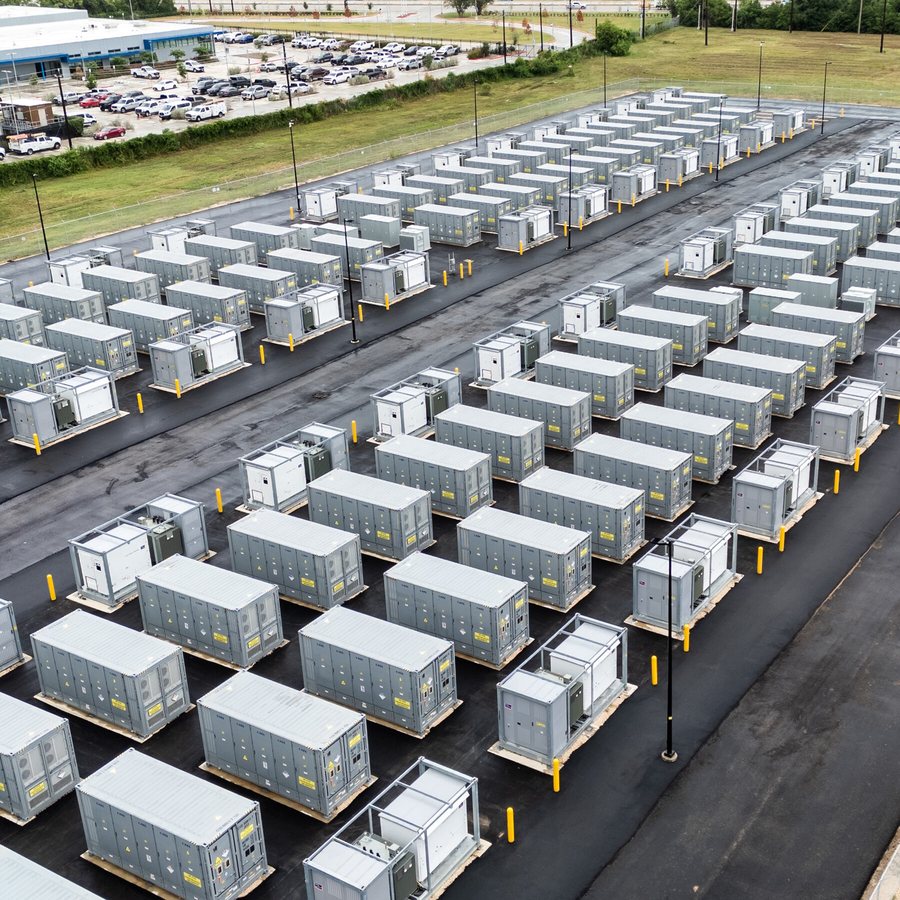
The Trump administration’s stance on clean energy is not entirely consistent. While the president has shunned electric vehicles and wind power, his administration has poured billions of dollars into battery manufacturing, viewing batteries as essential for data centers and other priorities. This has created an odd dynamic: the administration is simultaneously undermining one part of the clean energy economy while supporting another. Union leaders see this as an opportunity to build bridges, arguing that battery production and wind power are not mutually exclusive but part of the same broader transition.
“We need to be smart about this,” said a labor economist who studies energy transitions. “The administration may not like wind, but it likes batteries. That gives us a foothold to talk about jobs and investment. We can use that to push for a more comprehensive approach.”
For workers like McElroen, the fight is personal. He recalls the devastation of Hurricane Sandy and the realization that climate change is not a distant threat but a present danger. “I saw what the storm did to my city,” he said. “I don’t want to go back to that. I want to be part of the solution.”
The labor movement’s push for clean energy jobs is likely to continue regardless of who occupies the White House. Union leaders emphasize that the transition to a low-carbon economy is inevitable and that workers must have a seat at the table to ensure it is done fairly. They are also building alliances with environmental groups, community organizations, and even some business leaders, creating a broad coalition that transcends partisan politics.
“This is not about Democrats or Republicans,” said a union organizer. “It’s about the future of our country and the future of our planet. We are going to keep fighting for good jobs and a clean environment, no matter what the president says.”
As the wind blows against them, unions are digging in, determined to prove that clean energy can be a source of economic strength and environmental progress. The battle is far from over, but for workers like McElroen, the direction is clear: from the darkness of the subway to the open sea, they are building a new future.
138