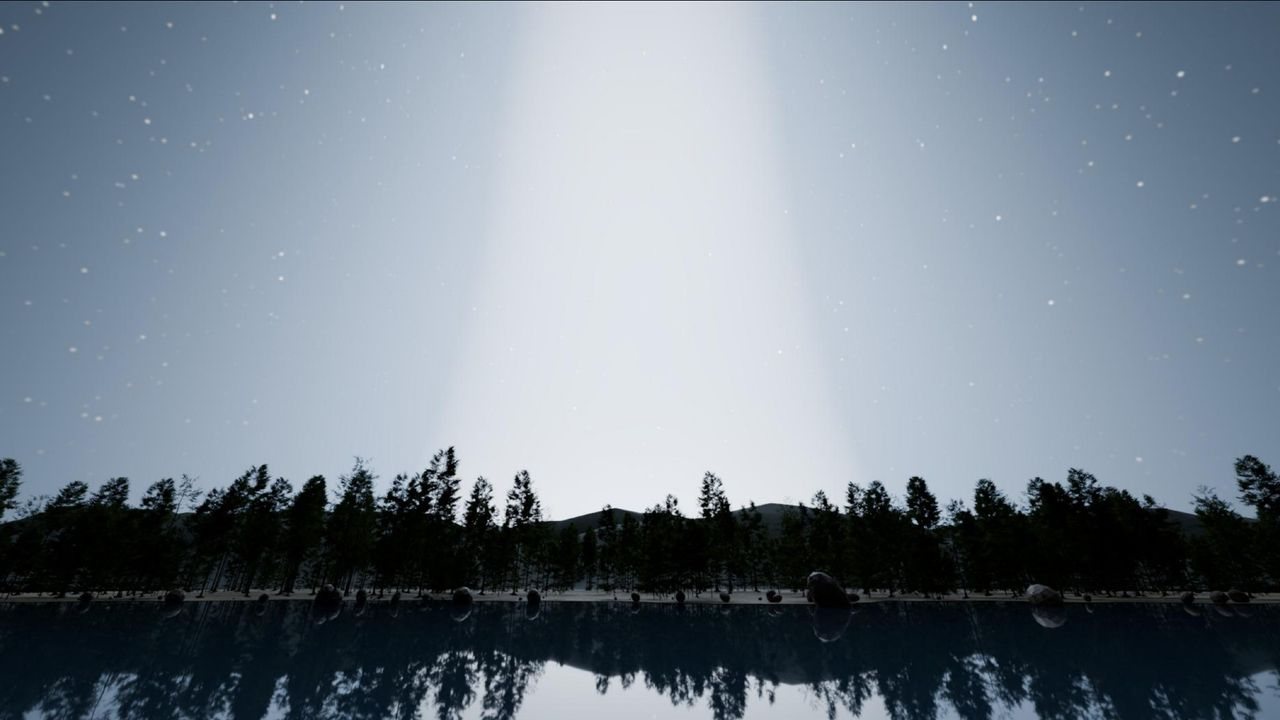
Astronomers are raising alarms about a new generation of proposed space mirrors, warning that these structures could shine up to 40 times brighter than the full moon and severely disrupt ground-based observations. The warning comes as researchers model the potential impact of large reflective surfaces placed in orbit, which are being considered for applications ranging from solar power generation to urban illumination. According to the analysis, the brightness of such mirrors could exceed the glow of major metropolitan areas, making it nearly impossible for telescopes to capture faint celestial objects.
The study highlights a growing concern within the scientific community about the unintended consequences of ambitious space projects. Unlike satellites, which already create light trails in astronomical images, these mirrors would be designed to reflect sunlight directly toward Earth, producing a sustained and intense glow. The authors of the research note that the effect would be particularly pronounced during the night, when the mirrors would appear as brilliant points of light moving across the sky. This could interfere with the work of observatories that rely on dark skies to study distant galaxies, exoplanets, and other faint phenomena.
One of the most striking findings is the comparison to urban light pollution. The researchers estimate that a single large mirror could produce a luminous footprint comparable to or exceeding that of a city like London. This would not only affect professional astronomy but also diminish the visibility of the night sky for the general public. The authors argue that the cumulative effect of multiple such mirrors could fundamentally alter the character of the night sky, turning it into a permanently brightened environment that obscures all but the brightest stars.
The proposal for space mirrors is not new, but recent advances in materials and launch capabilities have made the concept more feasible. Proponents argue that such mirrors could be used to illuminate solar power stations on Earth, extend daylight hours in northern regions, or even mitigate the effects of climate change by reflecting sunlight away from the planet. However, the new analysis suggests that the drawbacks may outweigh the benefits, particularly if the mirrors are deployed without careful consideration of their impact on astronomy and the natural environment.
The researchers emphasize that their goal is not to block innovation but to encourage a more measured approach to space development. They call for international guidelines that would require impact assessments for any project involving large reflective surfaces in orbit. The study also points to the need for collaboration between the commercial entities developing these technologies and the scientific community, which has long relied on access to dark skies for research. Without such cooperation, the authors warn, the next decade could see a dramatic and irreversible change in humanity's view of the universe.
The findings add to a growing body of research on the environmental impact of space activities. In recent years, astronomers have documented the increasing problem of satellite constellations, which already create bright streaks in telescope images. The proposed mirrors would represent a significant escalation of this problem, as their brightness would be orders of magnitude greater than that of typical satellites. The study concludes that while the mirrors may offer practical benefits, their deployment must be weighed against the loss of one of humanity's most fundamental scientific resources: the ability to observe the cosmos.
131