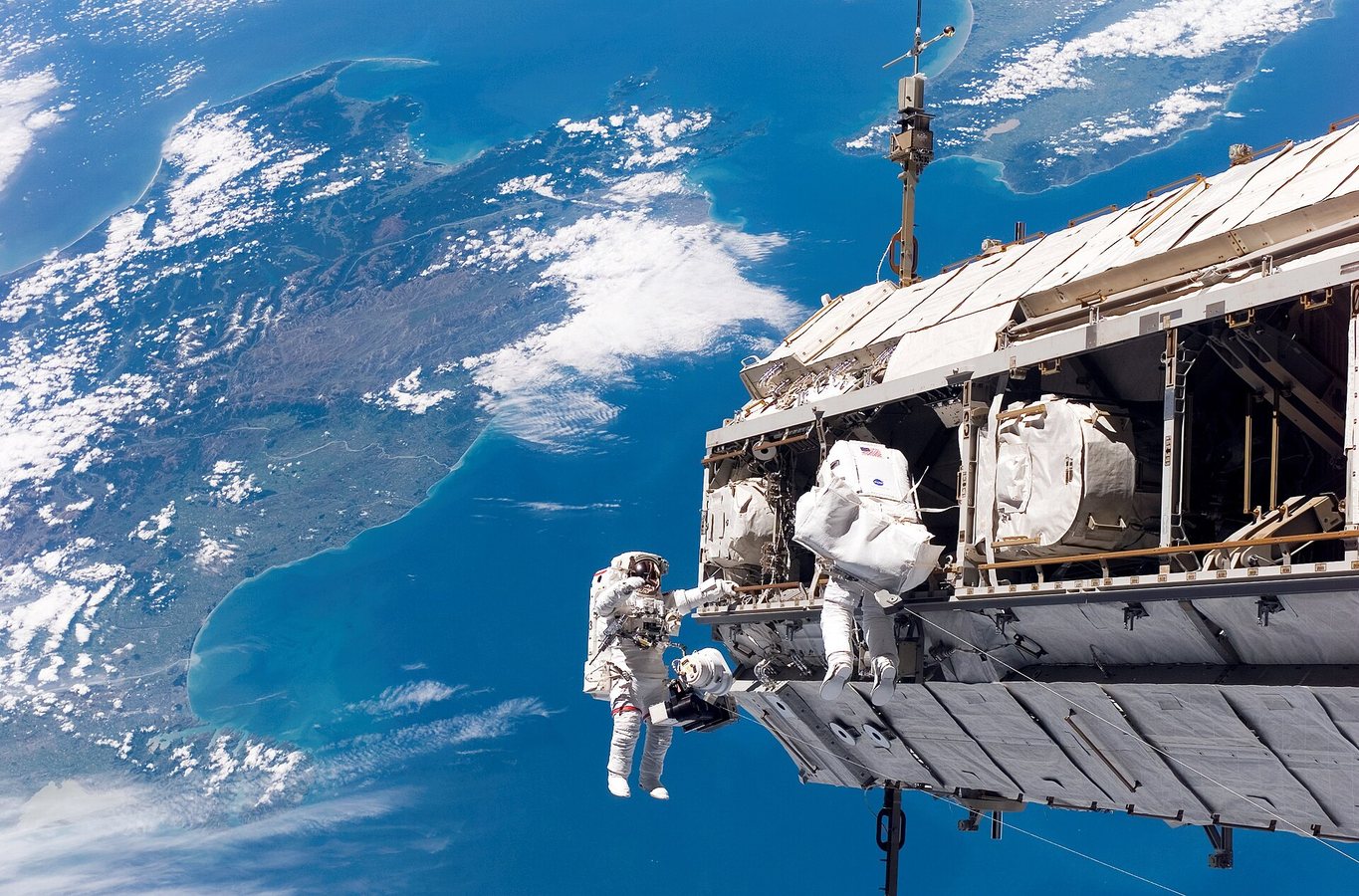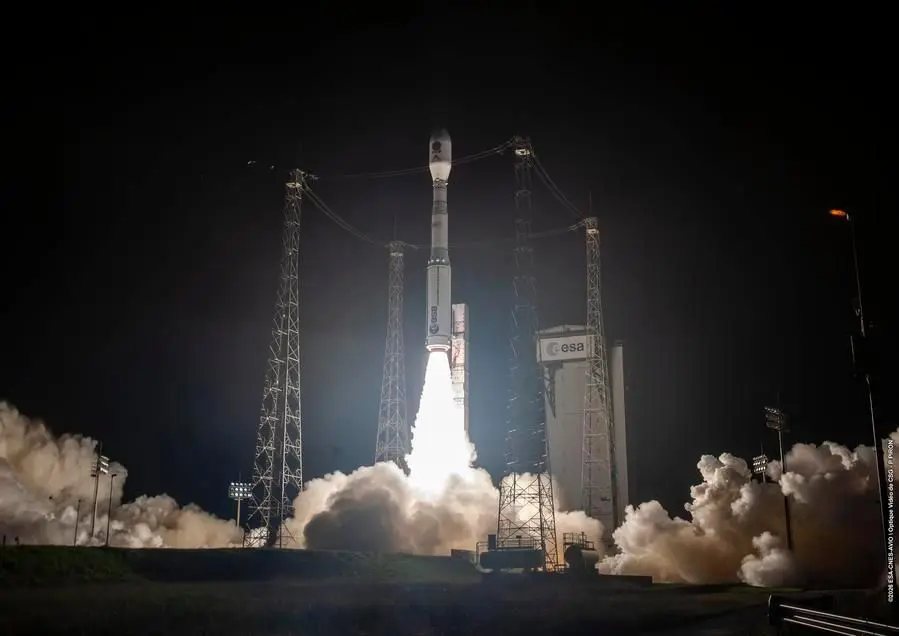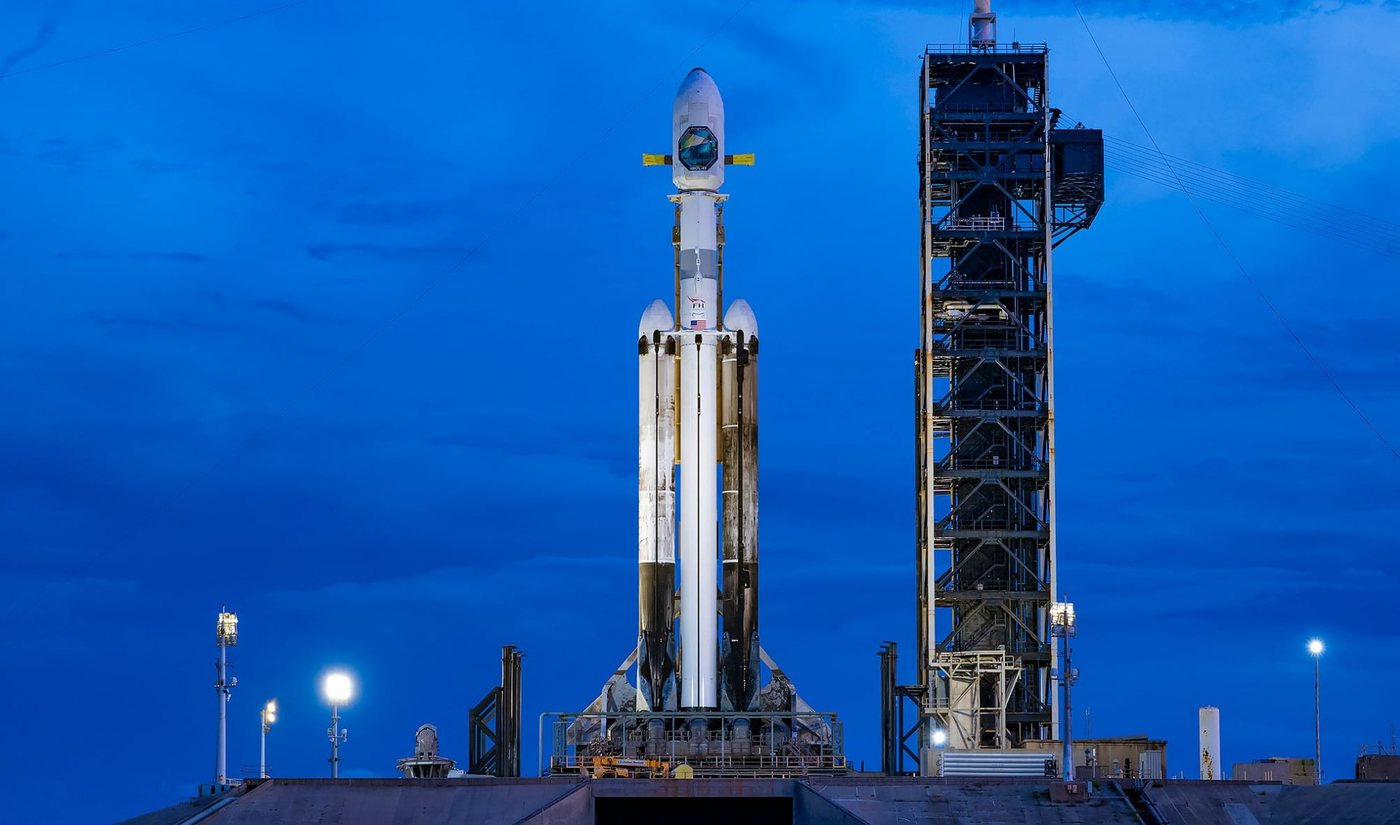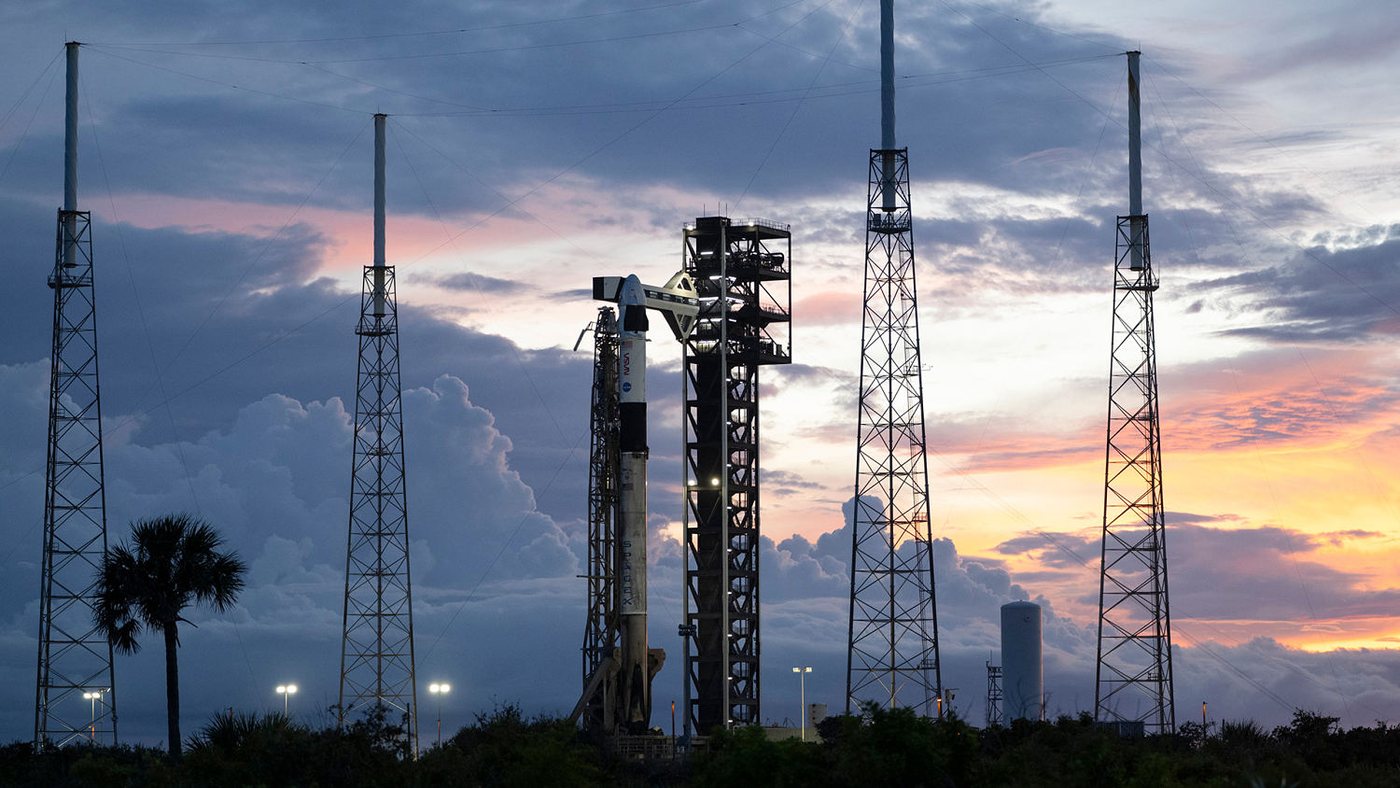
NASA and SpaceX launched the Crew-13 mission to the International Space Station on Thursday, sending four astronauts into low Earth orbit for a multi-month stay aboard the orbiting laboratory. The mission lifted off from Space Launch Complex 40 at Cape Canaveral Space Force Station in Florida, carrying NASA astronauts Jessica Watkins and Luke Delaney, Canadian Space Agency astronaut Joshua Kutryk, and Roscosmos cosmonaut Sergey Teteryatnikov.
The four crew members are traveling aboard a SpaceX Dragon spacecraft and are scheduled to spend several months living and working on the station. During their stay, they will conduct scientific research in the microgravity environment of low Earth orbit, continuing a long-running program of experiments that spans biology, materials science, human health, and Earth observation.
The launch was originally scheduled for 11:10 a.m. EDT on October 1, but the schedule was adjusted, according to mission planners. The trip to the station is expected to take approximately 7 hours and 50 minutes from liftoff to docking, a relatively short transit that reflects the streamlined rendezvous profile used by Dragon capsules in recent years.
Watkins, a geologist and former NASA astronaut candidate selected in 2017, brings expertise in field research and planetary science to the crew. Delaney, Kutryk, and Teteryatnikov round out the four-person team, which includes representation from the United States, Canada, and Russia. The international composition of Crew-13 underscores the station’s role as a platform for cooperation among space agencies, even amid broader geopolitical tensions.
NASA provided live coverage of prelaunch, launch, and docking activities across multiple platforms, allowing the public to follow the mission from countdown through arrival at the station. The agency has routinely streamed crew launches and dockings as part of its commercial crew program, which relies on SpaceX to ferry astronauts to and from the orbiting outpost.
The Crew-13 mission is the latest rotation flight under NASA’s Commercial Crew Program, which began flying astronauts from U.S. soil in 2020 after the retirement of the space shuttle. SpaceX’s Dragon spacecraft has become a workhorse for crew transportation, launching from Florida’s Space Coast and returning crews to Earth at the end of their missions.
Once aboard the station, the Crew-13 astronauts will join the existing Expedition crew, temporarily expanding the station’s population and allowing for a full schedule of research and maintenance. The station typically hosts between three and seven crew members at a time, with rotations staggered to maintain continuous operations.
Low Earth orbit research conducted aboard the ISS has contributed to advances in medicine, materials, and technology, including studies of bone density loss, protein crystal growth, and fluid behavior. The station also serves as a testbed for technologies that could support future missions to the Moon and Mars, such as life support systems and remote robotic operations.
The launch marks another milestone in the partnership between NASA and SpaceX, which has flown numerous cargo and crew missions for the agency. For the Canadian Space Agency, Kutryk’s flight adds to a growing list of Canadian astronauts who have served aboard the station. Roscosmos continues to send cosmonauts as part of the long-standing international agreement that governs station operations.
After docking, the crew will undergo a brief handover period with the outgoing team before beginning their own research agenda. Their stay is expected to last several months, with return to Earth scheduled aboard the same Dragon spacecraft at the conclusion of the mission.
14