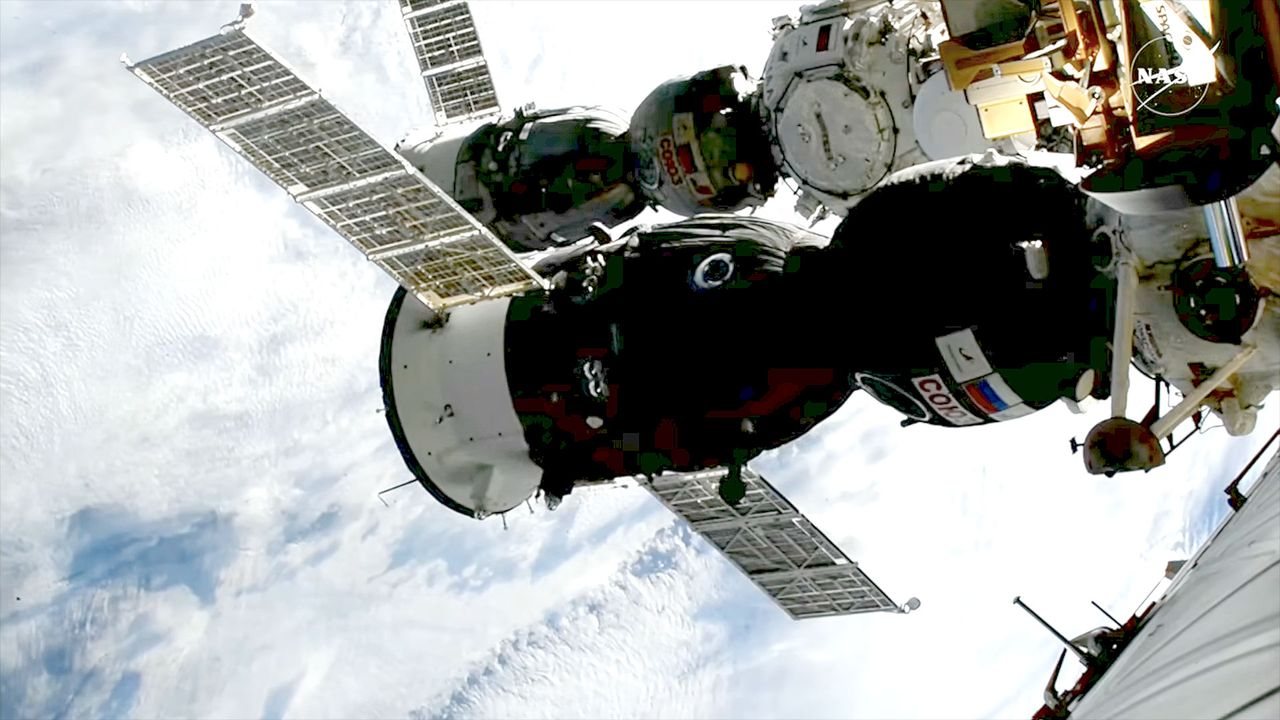
A NASA astronaut and two Russian cosmonauts are scheduled to depart the International Space Station and return to Earth on July 26, concluding a months-long expedition in orbit. The trio will board a Soyuz spacecraft for the journey back, with a targeted landing in the steppes of Kazakhstan. The return will be broadcast live, allowing viewers worldwide to follow the final stages of their mission.
The crew's departure marks the end of a standard crew rotation, during which they have conducted scientific experiments, maintained station systems, and participated in international collaboration. Before undocking, they will finalize their work, pack equipment, and hand over responsibilities to the astronauts remaining on the ISS.
Live coverage of the return, provided by NASA and Roscosmos, is expected to include the undocking procedure, the deorbit burn, and the landing itself. Exact timings will be announced closer to the date. The public can watch through NASA TV and other official streaming platforms.
The Soyuz spacecraft will undock from the station and perform a series of carefully timed maneuvers to align its trajectory for reentry. After separating from the orbital and propulsion modules, which burn up in the atmosphere, the descent module carrying the crew will plunge into Earth's atmosphere. Inside the capsule, astronauts experience forces up to four times the gravity of Earth. At an altitude of about 10 kilometers, a parachute system deploys to slow the descent, and just before touchdown, retro-rockets fire to soften the landing.
Russian search and recovery teams will be on standby in Kazakhstan to assist the crew after landing. Once on the ground, the astronauts and cosmonauts will be extracted from the capsule and receive initial medical checks. They will then be transported by helicopter to a staging area and later flown to their respective space agencies for post-flight rehabilitation. Readapting to gravity typically involves several weeks of physical therapy and monitoring.
The July 26 return will be the latest in a long history of Soyuz missions supporting the ISS. The spacecraft, which first flew in the 1960s, remains a reliable workhorse for crew transport. Despite broader geopolitical tensions, the partnership between NASA and Roscosmos continues to function effectively on the space station, ensuring the safe rotation of crews from various nations.
The event is of interest to space enthusiasts and the broader international community, as it demonstrates ongoing collaboration in human spaceflight. Every landing is carefully rehearsed, and mission controllers work in close coordination to ensure a safe outcome. The live broadcast offers a unique window into the final hours of a space mission, from undocking to the moment the crew touches down on Earth.