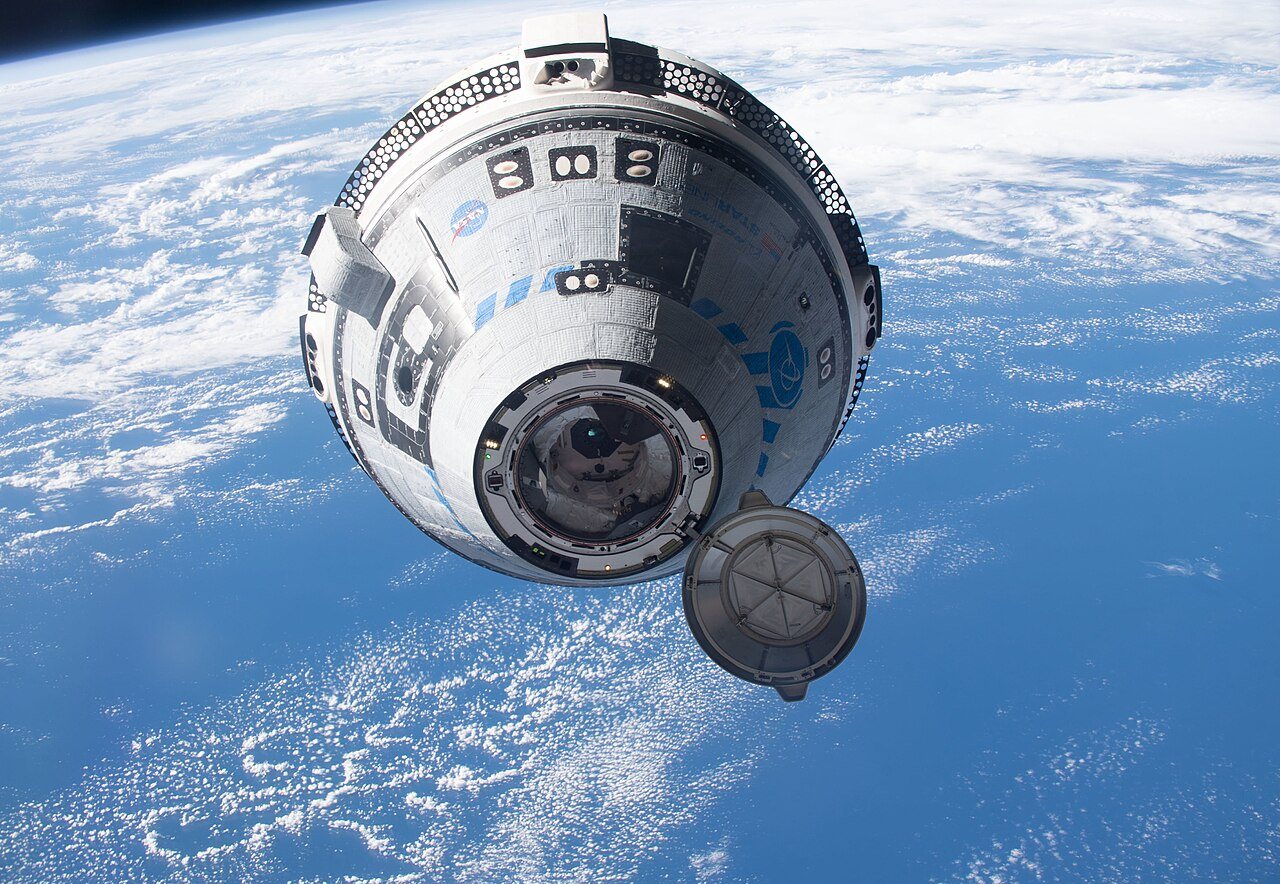
NASA is preparing to resume flights of Boeing's Starliner spacecraft with a pair of missions — one uncrewed and one carrying astronauts — following a 2024 test flight that ended without its crew and left two astronauts aboard the International Space Station for 286 days.
The plan marks the first time Starliner would fly since that mission, which was intended to demonstrate the vehicle's readiness for routine crew rotations to the orbiting laboratory. Instead, the capsule returned to Earth without its crew, and the astronauts remained in orbit for more than nine months before returning on a different spacecraft.
NASA has not announced specific dates for the new flights, but the decision to proceed with both an uncrewed and a crewed mission reflects the agency's continued commitment to certifying Starliner as a second commercial crew vehicle alongside SpaceX's Crew Dragon. The uncrewed flight is expected to test fixes and verify the spacecraft's systems before astronauts are placed aboard.
Starliner's troubles have centered on its propulsion system, including helium leaks and thruster failures that emerged during the 2024 mission. Those issues prevented engineers from fully trusting the capsule's ability to safely maneuver and return with a crew, prompting NASA to keep the astronauts on the station while the spacecraft came back empty.
The extended stay of the two astronauts became a global story, drawing attention to the risks of commercial spaceflight and the challenges of certifying new vehicles. Their 286 days in orbit far exceeded the planned mission duration and underscored the stakes of relying on multiple providers for crew transportation.
Boeing has been working to address the technical problems identified during the flight. The company has faced financial and reputational pressure from the delays, and the upcoming missions are seen as critical to restoring confidence in the Starliner program.
NASA's commercial crew strategy depends on having redundant access to the space station. With Crew Dragon currently the only certified US vehicle for crew rotations, the agency has a strong interest in getting Starliner operational. The new test flights are a step toward that goal, though each mission will be closely scrutinized.
The uncrewed flight will likely carry cargo or test equipment rather than astronauts, allowing engineers to observe the spacecraft's performance through launch, docking, and reentry without risking human life. If successful, the crewed mission would follow, carrying a new group of astronauts to the station.
Details about the crew for the crewed flight have not been finalized, and NASA has not indicated whether the astronauts from the 2024 mission will be assigned to future Starliner flights. The agency has emphasized that safety remains the top priority as it evaluates the spacecraft's readiness.
The upcoming missions will also test changes made to Starliner's software and hardware, including the propulsion system that caused the 2024 anomalies. Engineers have been analyzing data from that flight to understand the root causes and ensure the fixes are effective.
For NASA, the stakes extend beyond a single spacecraft. The agency relies on commercial partners to transport crews and cargo to the space station, and any gap in capability could affect research and operations. A successful Starliner return to flight would provide a backup to Crew Dragon and help sustain the station's mission through its remaining years.
Boeing and NASA have not provided a timeline for when the uncrewed mission might launch, but the announcement signals that both organizations are moving forward after a difficult period. The coming flights will be watched closely by the space community and the public alike.
12