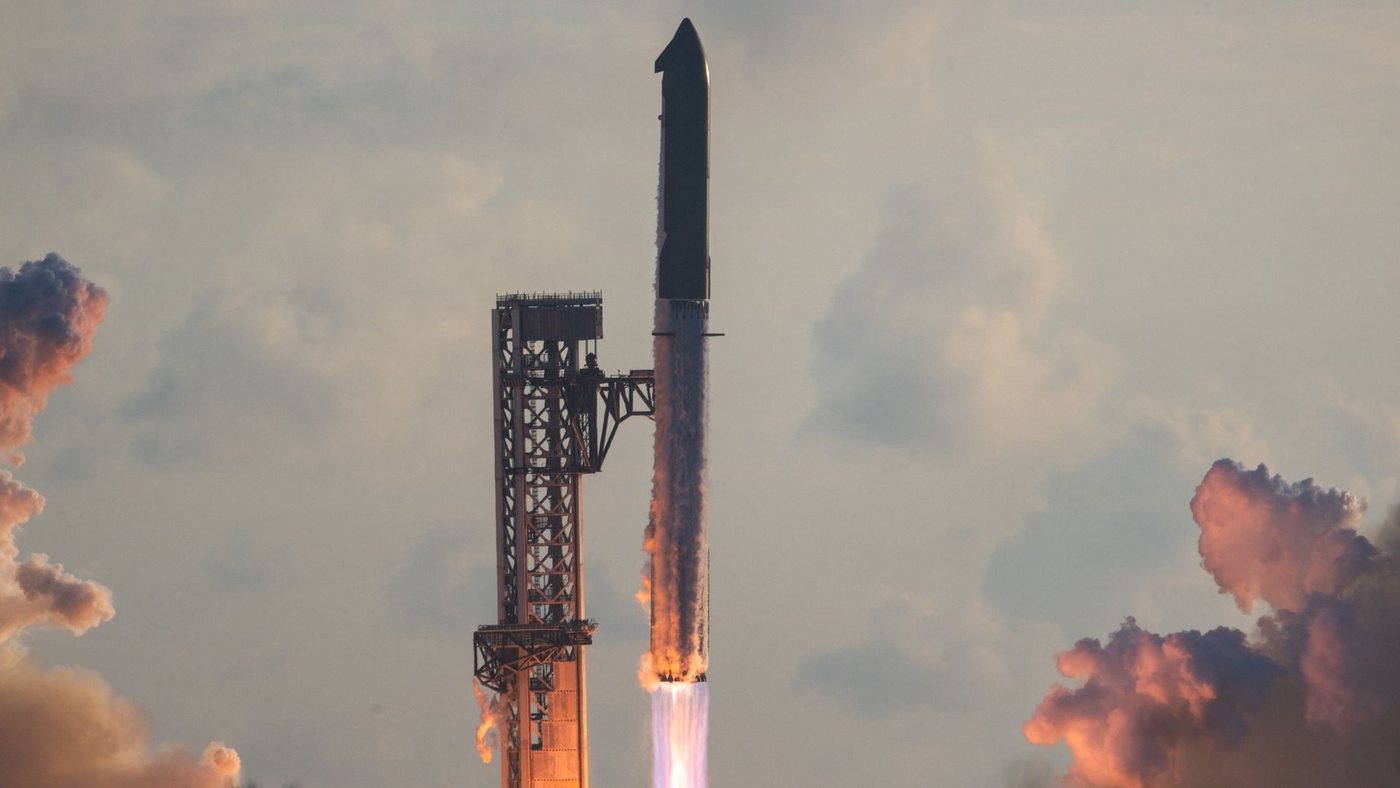
NASA's Nancy Grace Roman Space Telescope is on its way to deep space after a successful launch from the agency's Kennedy Space Center in Florida. A SpaceX Falcon Heavy rocket carried the observatory aloft and released it roughly 30 minutes after liftoff, placing the telescope on an optimal trajectory toward its final destination.
The Roman telescope now faces a 30-day cruise to the second Lagrange Point, or L2, a gravitationally stable location about 1 million miles from Earth. There, balanced between the gravitational pull of the Earth and the Sun, the observatory will hold a fixed position relative to both bodies, a vantage point that allows uninterrupted observation and simplifies communications and thermal control.
The launch marks the start of a mission designed to survey the universe on a scale that has not been possible with previous space telescopes. Roman is built to capture wide fields of view with sharp resolution, enabling it to map vast swaths of the cosmos rather than focusing on narrow targets one at a time. That survey capability is expected to reshape how astronomers study the large-scale structure of the universe, the distribution of galaxies, and the mysterious forces shaping cosmic evolution.
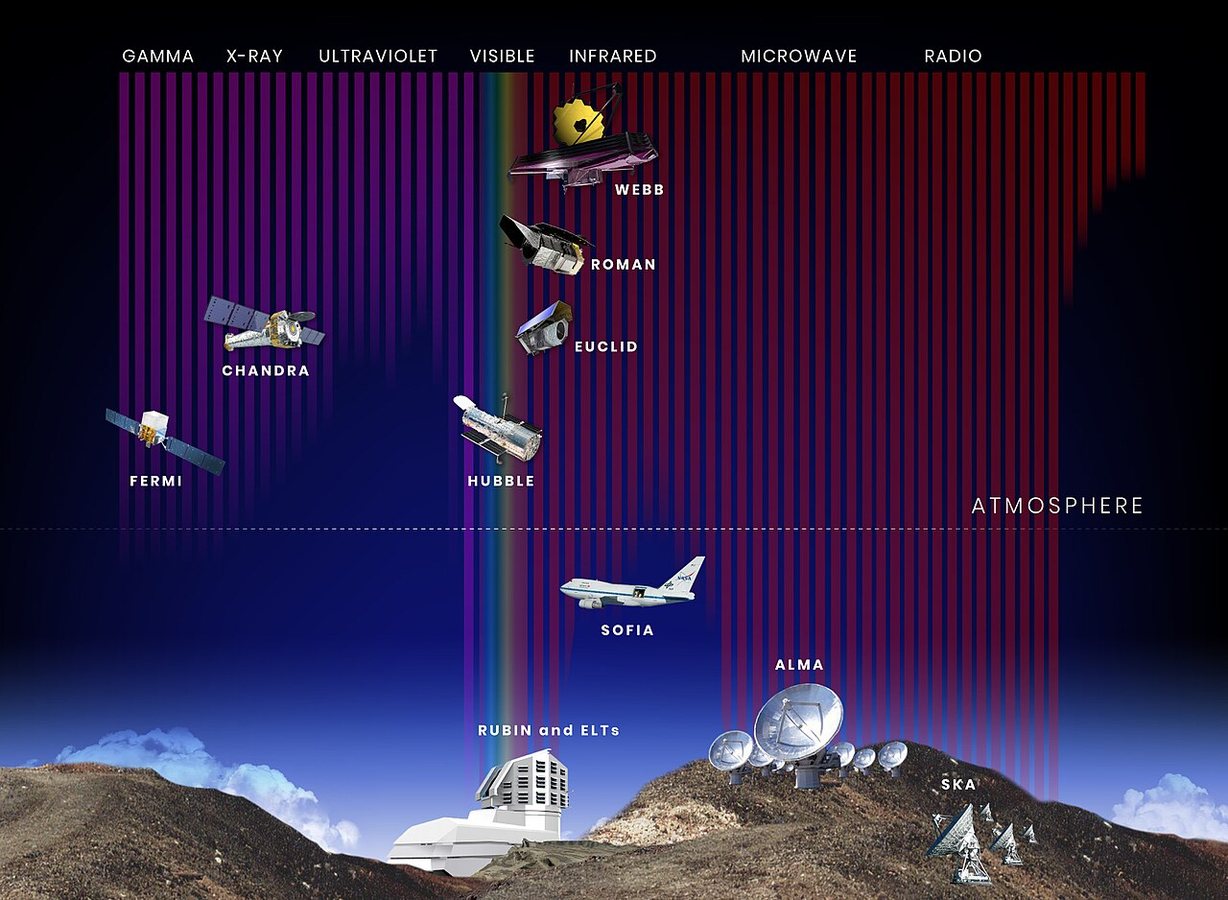
L2 has become a favored destination for major space observatories because its stable orbital environment reduces the fuel needed to stay on station and shields instruments from the constant thermal swings of low Earth orbit. The Roman telescope will join other missions that operate from this region, taking advantage of the quiet, cold conditions that are well suited to sensitive infrared observations.
The spacecraft's release about half an hour after launch placed it on a trajectory that mission planners describe as optimal for the month-long transit. Over the coming weeks, the Roman team will monitor the telescope's systems as it coasts toward L2, preparing for the commissioning phase that precedes the start of science operations.
Once settled at its new home, Roman will begin a program of surveys intended to address some of the most pressing questions in astrophysics. Its wide-field instruments are designed to collect data on enormous numbers of galaxies and stars, building a statistical picture of the universe that complements the detailed, narrow-field observations of other flagship observatories.
The mission is named for Nancy Grace Roman, a pioneering NASA astronomer whose work helped lay the groundwork for space-based astronomy. The launch represents the culmination of years of development and testing by NASA and its partners, and it opens a new chapter in the effort to understand the cosmos through systematic, large-scale surveys.
With the telescope now traveling toward L2, the coming month will be a period of careful monitoring and preparation. If the journey and subsequent commissioning proceed as planned, Roman will soon begin returning the survey data that scientists have been anticipating since the mission was first conceived.
22