Space salvage games ask players to do something no real-world mission has yet made routine: take apart a derelict ship in orbit, piece by piece, in the silence of vacuum. The fantasy is satisfying, but cleaning up Earth's crowded orbital environment is a far slower, more expensive and more demanding enterprise. The gap between the simulated task and the actual one is wide, and it explains why the game world and the space industry approach the same problem in very different ways.
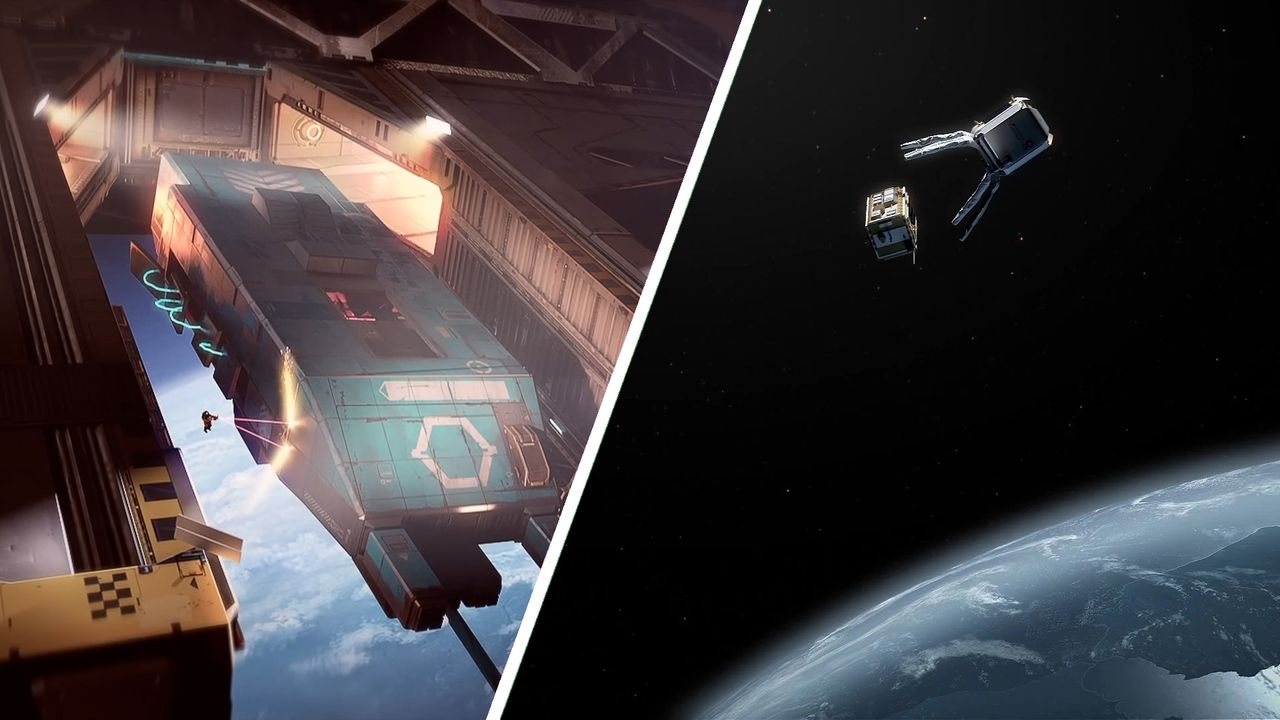
Hardspace: Shipbreaker puts players in the role of a salvage worker paid to dismantle massive spacecraft in orbit. Players slice through hull panels, detach fuel tanks and pull valuable components from the wreckage while managing hazards such as pressurized compartments, volatile fuel and shifting metal. The game turns the slow, exacting labor of salvage into a puzzle-like loop that rewards careful planning as much as steady hands. Mistakes are punished in the moment, but the player can always reload and try again, which is a luxury no real mission can offer.
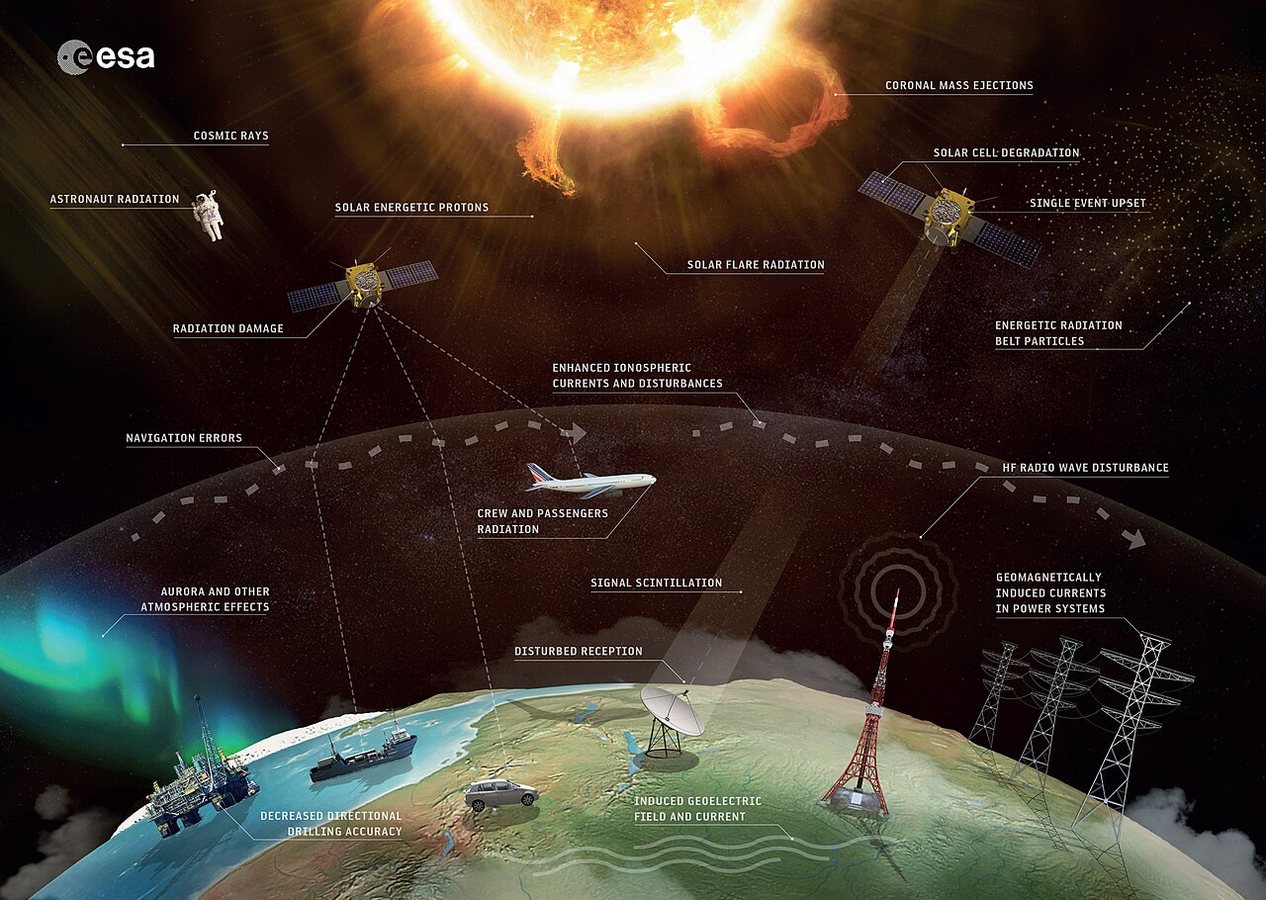
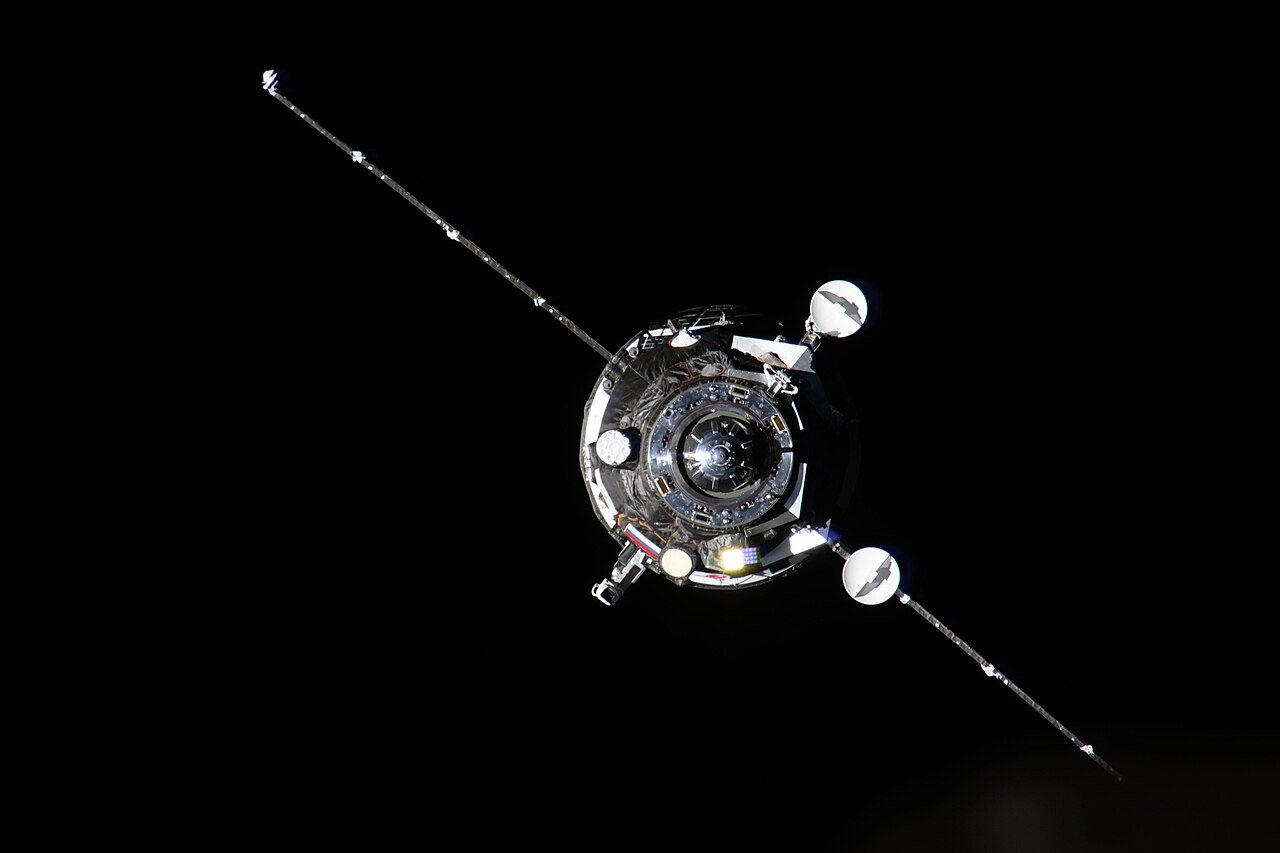
Real debris removal has no restart button. The most dangerous objects circling Earth are dead satellites, spent rocket stages and fragments left behind by collisions or explosions. They travel at speeds measured in kilometers per second, meaning even a small piece of junk can cripple an active spacecraft. With thousands of tons of material now in orbit, agencies and companies have begun to develop active debris removal, a term for sending a dedicated spacecraft to capture a target and steer it into a controlled reentry so that it burns up in the atmosphere.
The problem has grown steadily since the beginning of the space age. Every launch can leave behind rocket stages, adapters, lens covers and other hardware. A single collision between two satellites can turn one large object into thousands of trackable fragments, and those fragments can go on to strike other objects in a chain reaction that could eventually make some orbits unusable. This is why engineers now talk about removing debris instead of merely avoiding it.
ClearSpace, a company based in Switzerland, is one of the most visible names in that field. Its planned ClearSpace-1 mission is designed to rendezvous with a discarded payload adapter left in orbit years ago, capture it with a robotic arm and then drag it to a safe disposal altitude. The goal is to demonstrate that a single vehicle can remove a specific piece of debris rather than simply dodge it. Backed by the European Space Agency, the mission would be a major step toward making debris cleanup a repeatable service instead of a one-off experiment.
The difference between the game and reality goes beyond cost. In Hardspace: Shipbreaker, success is measured in salvage value, and every part of a ship can be turned into currency. In orbital operations, success is measured in risk reduction. A captured object must be deorbited at the right time and over the right area so that it does not fall near populated regions or generate new debris during its final descent. That requires precise navigation, reliable robotics and years of testing. A failure in orbit could easily make the problem worse instead of better.
Video games can still offer a useful way to think about these challenges. A salvage sim teaches players to identify structural weak points, respect stored energy and plan a sequence of cuts before touching a hull. Those habits resemble the approach engineers take when designing a capture sequence or deciding which part of a target to secure first. Games, however, compress time and money into a friendly loop. Real missions unfold over years and depend on components that cannot be tested in orbit until the day they are needed.
The wider field is moving in the same direction. Alongside ClearSpace, several companies are working on spacecraft that could dock with aging satellites to extend their lives or push them into disposal orbits. Others are testing nets, harpoons and magnetic capture systems. The common thread is that removing one object is no longer the end goal; operators want tools that can be reused, refueled and scaled up, just as a player moves from cutting open a single ship to mastering an entire salvage yard.
For now, the only place most people will dismantle a spaceship is on a screen. But the comparison with real debris removal is not trivial. Both worlds demand three-dimensional thinking, an understanding of where a clean cut ends and a catastrophic rupture begins, and acceptance that in orbit nothing stays still. The real work of clearing space may be slower and less glamorous than its virtual counterpart, but the stakes are far higher. As more satellites enter orbit every year, that lesson is likely to become more important, both in training rooms and on mission control screens.