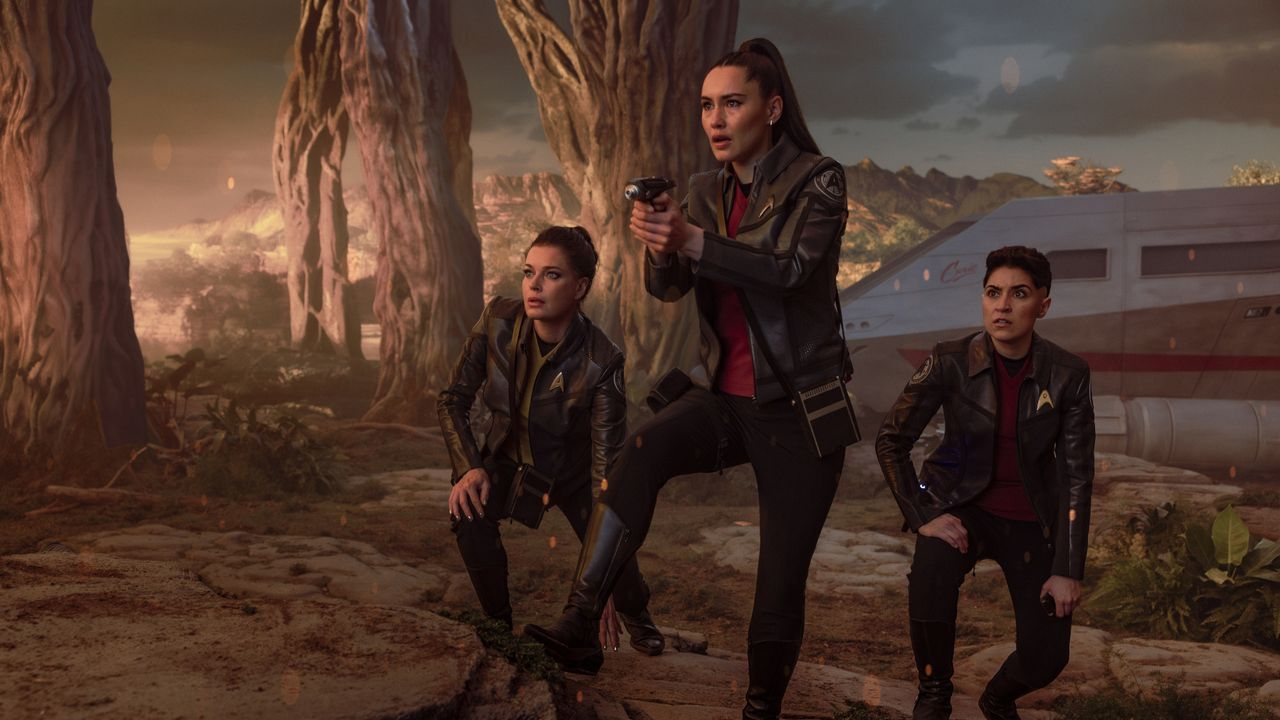
The fourth season of "Star Trek: Strange New Worlds" opens with an episode that embraces the pulpy, imaginative side of science fiction while grounding its wildest elements in genuine scientific curiosity. The premiere introduces a scenario where dinosaurs, Martians, and a mysterious fifth planet occupy the region of the solar system that in reality is filled by the asteroid belt. This creative premise is not merely a flight of fancy but is built on a series of intriguing "what-if" questions that have long fascinated astronomers and science fiction writers alike.
The episode draws on the real-world hypothesis that the asteroid belt may be the remnants of a planet that never fully formed, or perhaps one that was destroyed in the distant past. In the "Strange New Worlds" universe, that planet—often referred to in speculative circles as Phaeton—exists as a thriving world, complete with its own ecosystem and intelligent life. The showrunners have taken this scientific speculation and run with it, populating the planet with dinosaurs that have evolved into a sentient species, as well as a civilization of Martians who have migrated there. The result is a vibrant, retro-futuristic setting that feels both familiar and fresh.
The episode's tone is deliberately reminiscent of classic pulp science fiction magazines from the early 20th century, with their bold covers featuring ray guns, alien landscapes, and daring explorers. The show's writers have cited the works of Edgar Rice Burroughs and the early "Flash Gordon" serials as influences, aiming to capture a sense of wonder and adventure that is sometimes lost in more cerebral science fiction. Yet the episode does not abandon the intellectual rigor that "Star Trek" is known for; instead, it weaves scientific concepts into the narrative in a way that is accessible and entertaining.
One of the key scientific ideas explored is the possibility of a planet in the asteroid belt. While the asteroid belt contains enough material to form a small planet, gravitational perturbations from Jupiter prevented it from coalescing. The episode asks: what if those perturbations had been different? What if a planet had formed there, and what would that mean for the development of life in the solar system? The show suggests that such a planet could have become a cradle for life, perhaps even intelligent life, and that its existence would have reshaped the history of the inner planets.
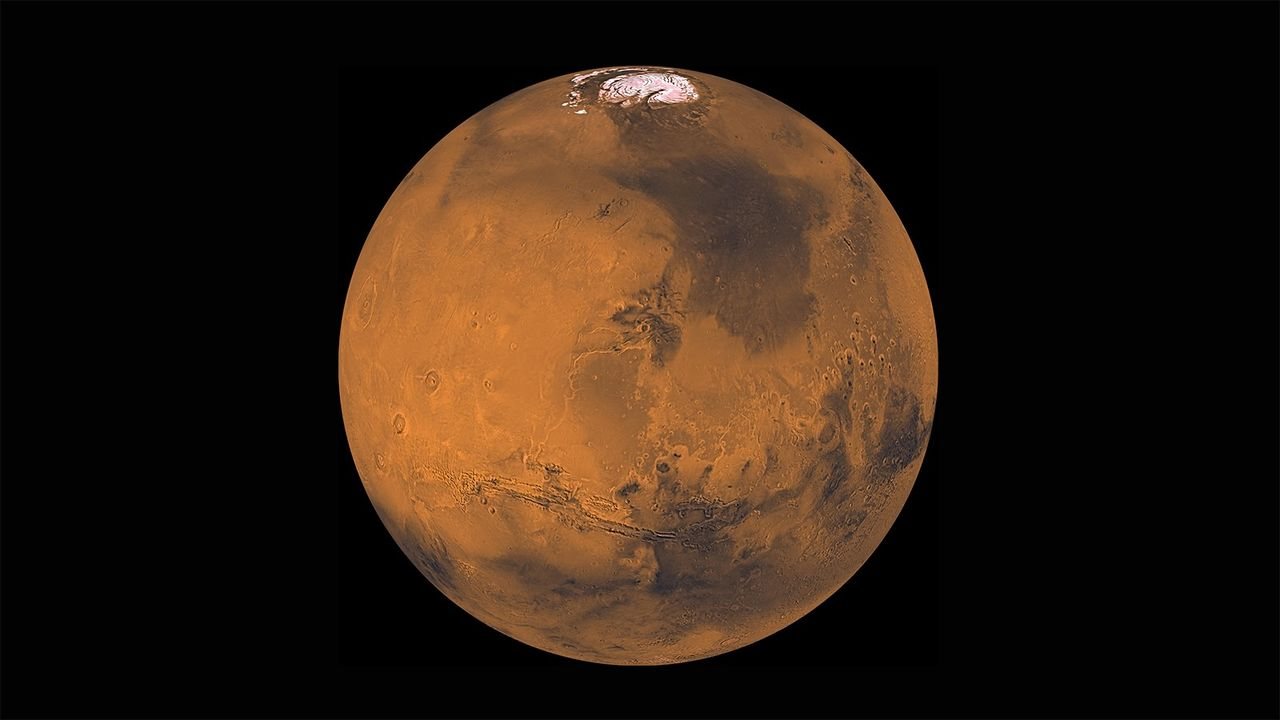
The inclusion of Martians is another nod to classic science fiction, but the show gives them a fresh twist. Rather than the stereotypical invaders of early 20th-century fiction, these Martians are a sophisticated species that has established a colony on the fifth planet. Their presence raises questions about interplanetary relations, resource sharing, and the ethics of colonization—themes that have been central to "Star Trek" since its inception. The episode uses these themes to explore contemporary issues such as climate change, migration, and cultural exchange, all within the framework of a thrilling space adventure.
The dinosaurs, meanwhile, are not the lumbering beasts of prehistoric Earth but a highly intelligent species that has developed its own technology and society. The show imagines what might have happened if the asteroid that wiped out the dinosaurs had never struck Earth, and instead, a different evolutionary path had been taken. This concept allows the writers to examine questions about intelligence, consciousness, and what it means to be human—or in this case, what it means to be a sentient being from a different evolutionary lineage.
Critics who have seen early screenings of the episode praise its balance of action, humor, and thought-provoking ideas. The visual effects are described as stunning, with the fifth planet rendered in lush detail, from its dense jungles to its crystalline cities. The performances of the cast, particularly Anson Mount as Captain Pike and Ethan Peck as Spock, are noted for bringing depth to what could otherwise be a purely escapist story. The episode also features a cameo from a beloved character from "Star Trek" history, though details are being kept under wraps to avoid spoilers.
The premiere sets the tone for the rest of the season, which promises to continue exploring bold new ideas while staying true to the franchise's core values of exploration, diplomacy, and the pursuit of knowledge. Showrunner Henry Alonso Myers has stated in interviews that the season will delve into more speculative science, including time dilation, parallel universes, and the nature of consciousness. The goal, he says, is to make science fun again, to inspire viewers to ask questions about the universe and their place in it.
For longtime "Star Trek" fans, the season 4 opener is a love letter to the genre's roots, while for newcomers, it is an accessible entry point into a universe that has always been about more than just spaceships and phasers. The episode reminds us that science fiction at its best is not about predicting the future but about using imagination to explore the possibilities of the present. Whether it is dinosaurs on a lost planet or Martians building a new home, "Strange New Worlds" continues to push the boundaries of what a television show can achieve.
As the series progresses, viewers can expect more episodes that blend scientific rigor with creative storytelling. The writers have hinted at episodes focusing on the ethics of artificial intelligence, the consequences of time travel, and the search for extraterrestrial life. With its strong start, season 4 of "Star Trek: Strange New Worlds" looks set to be one of the most ambitious and rewarding seasons yet, offering something for both the casual viewer and the dedicated Trekkie.