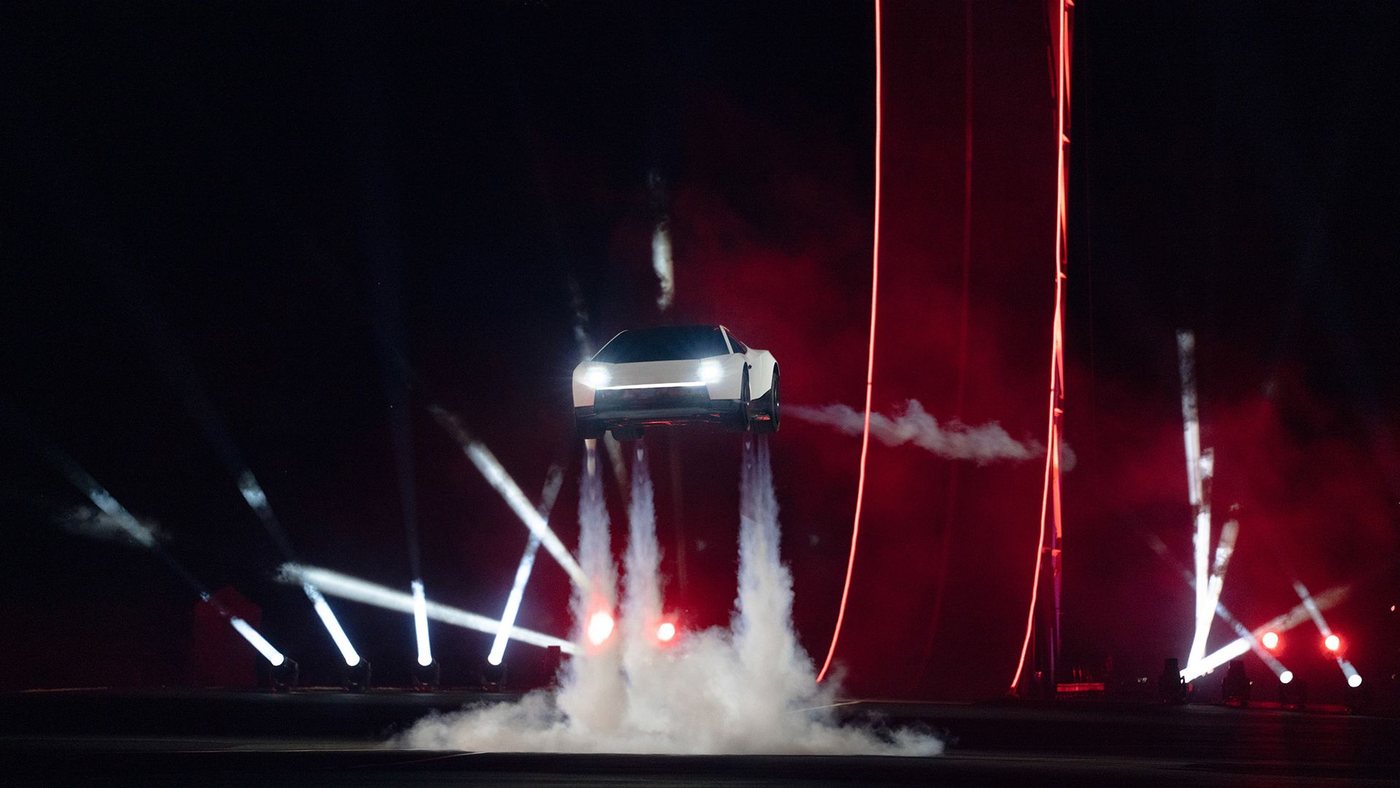
Tesla's latest demonstration of a Roadster equipped with rocket thrusters has drawn a skeptical response from engineers and industry analysts, who describe the concept as an eye-catching stunt rather than a viable vehicle. The prototype, shown in a promotional video, uses cold-gas thrusters to produce bursts of acceleration and what the company presents as enhanced performance. Specialists who reviewed the claims say the engineering obstacles are substantial and the practical benefits are minimal.
The central objection concerns physics. A road car must carry its own propellant, and the mass of gas needed to produce meaningful thrust quickly erodes any performance gain. Unlike a rocket in the vacuum of space, a vehicle on a public road must also contend with air resistance, tire grip and braking limits. Engineers note that adding thrusters increases weight, complexity and cost while offering acceleration that electric motors can already deliver. The result, critics argue, is a system that consumes energy and space without changing what the car can do in everyday driving.
Safety and regulation present a second barrier. Any vehicle sold to the public must satisfy crash standards, emissions rules and roadworthiness requirements, and a car fitted with pressurized gas thrusters would face questions about fire risk, component failure and driver control. Experts point out that a thruster system capable of moving a car would need robust containment and emergency shutoff mechanisms, all of which add cost and weight. Regulatory agencies in the United States and Europe have no established framework for approving such a feature, and the review process alone could take years.
The commercial case is equally uncertain. The Roadster was first promised as a high-performance electric sports car, and the rocket option appears aimed at distinguishing it in a crowded market for premium electric vehicles. Analysts say the feature would likely be expensive, limited in use and difficult to service, making it a niche offering rather than a mainstream technology. Some compare it to other attention-grabbing announcements that generated publicity without reaching production on the timeline originally suggested.
Supporters of the demonstration argue that it showcases engineering ambition and could accelerate work on advanced propulsion and control systems. Even skeptics acknowledge that the publicity value is real, and that the company has a record of turning improbable ideas into products. But they caution that a video demonstration is not evidence of a road-ready system, and that the gap between a prototype and a vehicle customers can buy is where most such concepts fail.
For now, the debate reflects a broader tension in the electric vehicle industry between marketing spectacle and engineering reality. Experts say the useful question is not whether a rocket-equipped car can be built, but whether it can be built safely, affordably and legally for public roads. On those measures, they remain unconvinced.
10