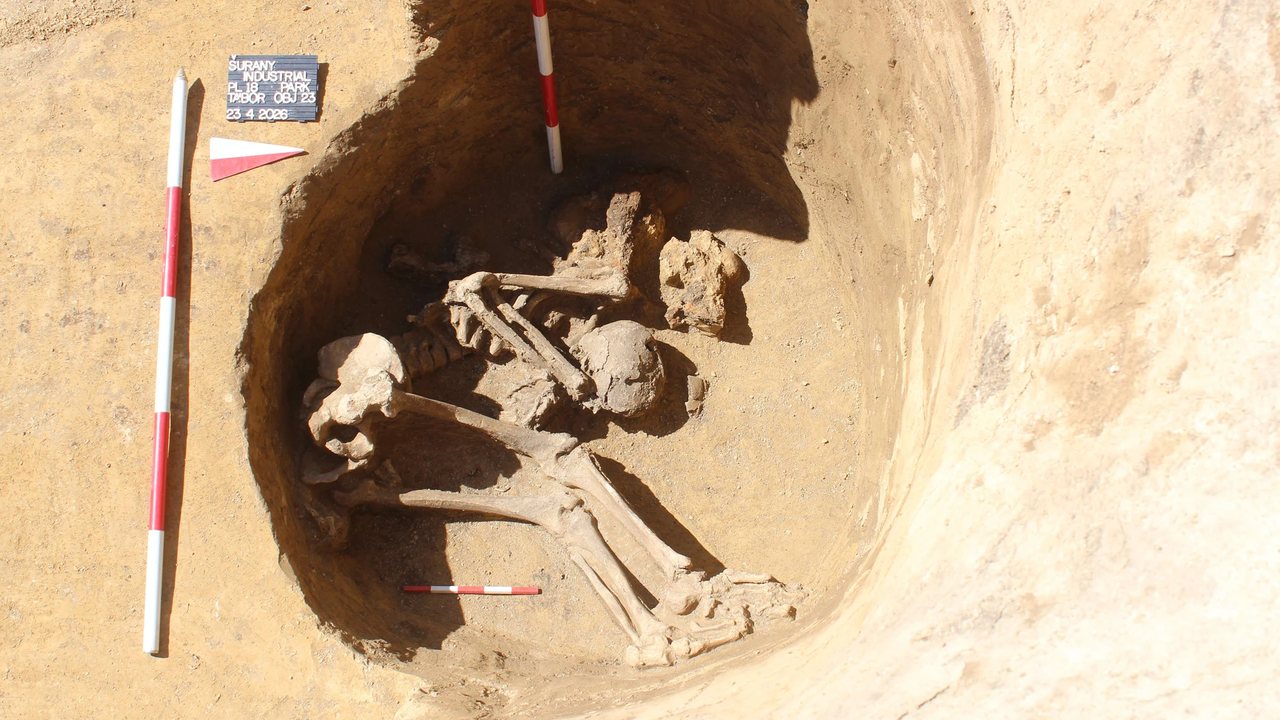
A burial site in Wiltshire, England, that archaeologists had for decades assumed belonged to a male shaman has been revealed through ancient DNA analysis to be that of a woman. The discovery, made by researchers at the Francis Crick Institute, overturns a longstanding belief that a person of such high status in Bronze Age society must have been male. The remains, known as the Upton Lovell Shaman, were interred about 4,000 years ago with a rich collection of artefacts indicating a role as both a religious leader and a metalworker.
The grave, located near Stonehenge, contained tools for metalworking, a stone pendant, and other ceremonial objects. Because of the importance of these grave goods, generations of archaeologists assumed the buried individual was a man. The assumption was rarely questioned, even though the skeleton itself was not subjected to rigorous sex determination. The new DNA evidence leaves no doubt: the shaman was female.
«This discovery should cause a stir in Bronze Age studies,» said a spokesperson for the Wiltshire Museum, which holds the remains. The finding challenges the common narrative that positions of power and specialised craftsmanship in prehistoric Europe were almost exclusively held by men. It adds to a growing body of evidence from ancient DNA research that is fundamentally rewriting the human story.
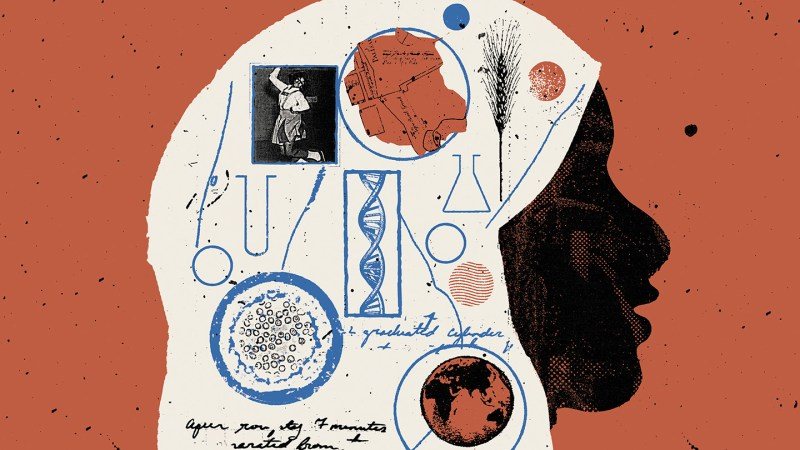
Over the past two decades, the ability to extract and analyse genetic material from ancient bones has repeatedly upended settled historical and archaeological narratives. For example, genetic studies have revealed that modern humans and Neanderthals interbred far more frequently than once thought — and as recently as 50,000 years ago. Another landmark study showed that the first modern humans to inhabit Britain likely had «dark to black» skin, contradicting earlier reconstructions that depicted them as light-skinned.
The technology has also resolved long-running historical mysteries. In the case of two prominent members of the Medici family in 16th-century Italy, DNA analysis indicated they died of malaria, not poisoning or murder as had long been suspected. Each new discovery, according to experts, highlights how many seemingly well-founded assumptions about the past are, upon closer scrutiny, unsupported by evidence.
The Upton Lovell case is particularly powerful because it exposes subconscious biases in the interpretation of archaeological data. The absence of clear osteological evidence for sex was overlooked in favour of a cultural assumption that only a man could have held such a prominent role. «Every time we widen our keyhole view of the past, we are confronted by how much we still don't know,» wrote the Guardian in an editorial on the finding.
The shaman's skeleton now becomes a key reference point for discussions about gender in prehistory. Researchers hope that new DNA techniques will be applied more frequently to other burials where sex has been assumed rather than proven. The Francis Crick Institute team is continuing to analyse ancient genomes from British sites, aiming to provide a clearer picture of social structures, migration patterns, and kinship in the Bronze Age.
Meanwhile, the Wiltshire Museum plans to update its displays and interpretation materials to reflect the shaman's true identity. The find resonates far beyond archaeology, serving as a reminder that the past is often far more complex and surprising than the stories we tell about it.