Archaeologists working at Shahr-i-Sokhta, the Bronze Age settlement in southeastern Iran known as the Burnt City, have uncovered a 4,600-year-old board game and an engraved bone comb. The finds were made during recent excavations in Sistan and Baluchistan Province and are expected to shed light on aspects of daily life that have remained poorly understood at the site.
Rouhollah Shirazi of the University of Sistan and Baluchistan said the discoveries can provide researchers with new information about less-known aspects of the life, culture, and social relations of the people who inhabited the Burnt City. Alongside the game board and comb, the excavation team recovered eggshells, textile fragments, and pieces of leather, suggesting a domestic setting rich in organic materials that are rarely preserved at sites of this age.
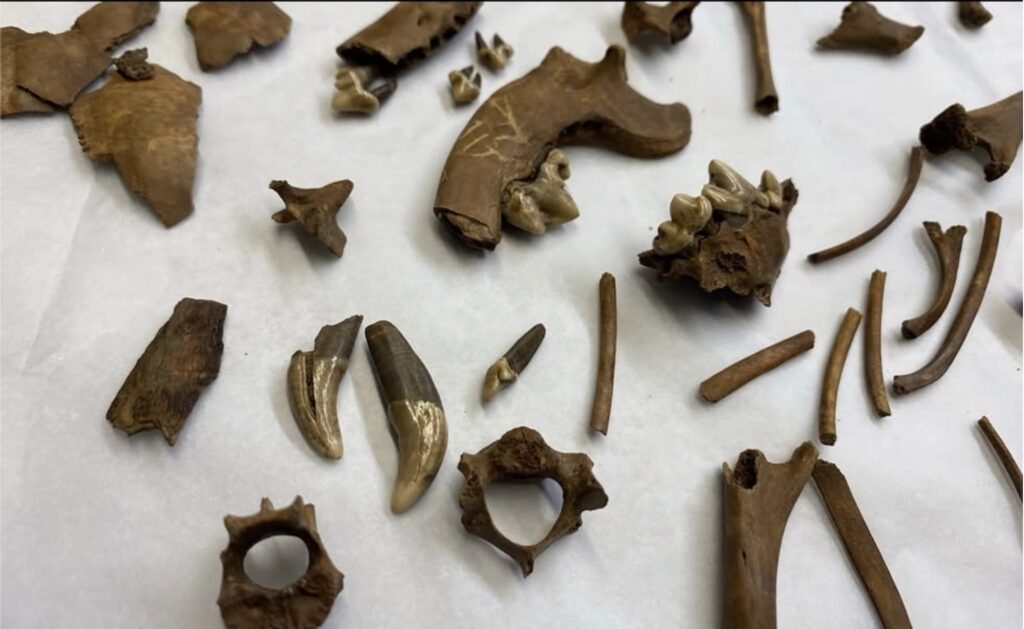
The Burnt City, which flourished during the third millennium BCE, has long been a focus of archaeological attention because of its size, its role in regional trade networks, and the remarkable preservation of objects found there. The new excavations also concentrated on the northeastern section of the site, where researchers identified two distinct phases of construction. In that area they found animal remains, tools, debris from stoneworking, animal figurines, and hearths. The distribution of these materials suggests that residents carried out household activities and some forms of craft production in the same spaces, rather than in strictly separated workshops.
The presence of stoneworking debris alongside domestic items such as hearths and figurines points to a community where daily life and manufacturing were closely intertwined. The animal figurines may also offer clues about the symbolic or recreational life of the inhabitants, complementing the discovery of the board game. Board games are known from several Bronze Age sites across the Near East and South Asia, and their presence at Shahr-i-Sokhta indicates that leisure activities were part of the social fabric of the settlement.
The engraved bone comb, a personal grooming item, adds a further dimension to the picture of everyday existence at the site. Such objects are relatively rare in the archaeological record of the region, and the comb’s decoration may carry cultural or aesthetic significance that researchers hope to interpret in context.
Planned analyses include radiocarbon dating to refine the chronology of the newly excavated areas, DNA testing of human remains, and a detailed examination of skeletal material. These studies are expected to clarify questions about the origins of the inhabitants, their health, and their connections with other populations in the region. The combination of organic finds, structural evidence, and forthcoming scientific analysis makes the current phase of work at Shahr-i-Sokhta particularly promising for reconstructing the social and economic organization of this ancient urban center.
The excavations are part of ongoing efforts to document and preserve a site that has already yielded significant artifacts, including an artificial eyeball, early animated designs on pottery, and evidence of advanced craft production. Each new season of fieldwork continues to refine the understanding of how this large settlement functioned before its eventual decline, and the latest discoveries reinforce the view that the Burnt City was not only a hub of trade and industry but also a place where people engaged in games, personal adornment, and household routines that connected them across generations.
111