Archaeologists working at Szigetvar Castle in southern Hungary have established that Turbek, a settlement that developed around the tomb of Ottoman Sultan Suleiman the Magnificent, was considerably larger and more prosperous than earlier estimates suggested. The findings, reported by the Anadolu Agency, indicate the civilian settlement covered nearly 200 acres, a significant expansion of the known footprint of the site.
Suleiman died in 1566, the day before his siege of the castle concluded. His son, Selim II, subsequently ordered the construction of a tomb at the location, which over time became an important place of pilgrimage. The research team, led by Norbert Pap of the University of Pecs, had previously identified the foundations of a square building in 2015 as the sultan's tomb. Their earlier work also uncovered a larger complex that included a mosque, a dervish lodge, a guesthouse, and a guard barracks, all enclosed by a wooden palisade.
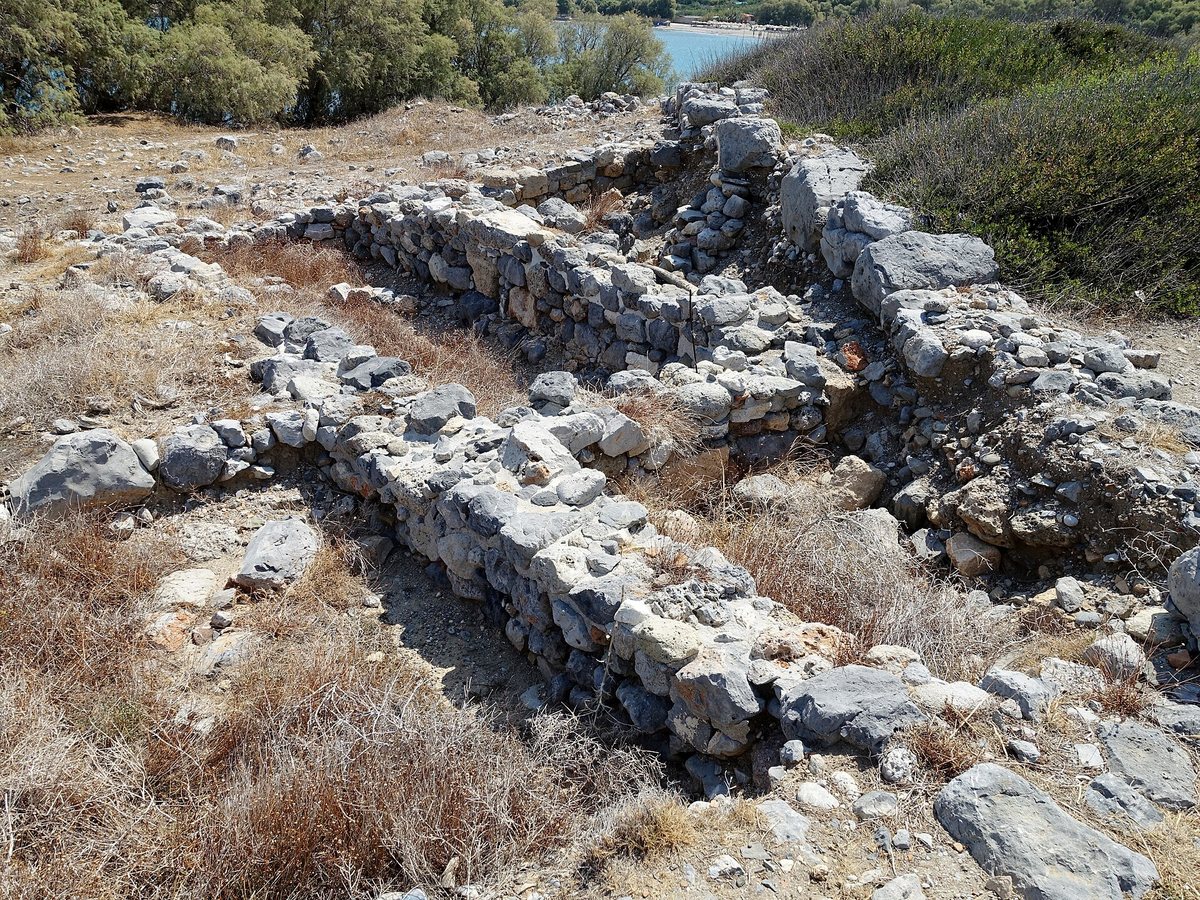
The latest phase of research has shifted focus to the civilian area that grew up around this religious and administrative center. Surface surveys have yielded a range of artifacts, including ceramics, coins, jewelry, and pieces of Ottoman metalwork. Geophysical surveys have detected the outlines of numerous buildings, some of which were constructed with brick and covered with roof tiles, pointing to a community of greater permanence and wealth than previously assumed.
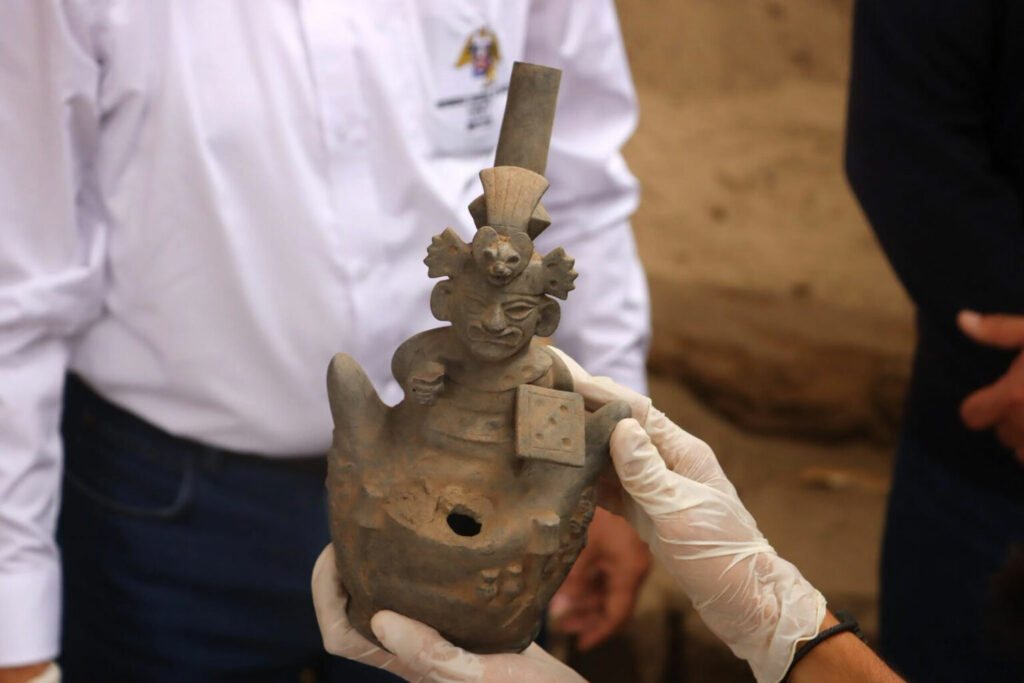
Excavations have also uncovered a well, grain storage pits, and terracotta heating systems, along with domestic items such as footed bowls, porcelain cups, and painted glass vessels. The discovery of tableware, rings, buckles, and ornaments for horse harnesses further illustrates the daily life and material culture of the settlement's inhabitants. The presence of both a gold and a silver coin among the finds suggests a level of economic activity and trade that supports the interpretation of Turbek as a thriving community.
The settlement's existence was tied to the period of Ottoman control in the region. Turbek was eventually destroyed after Ottoman rule ended, leaving the ruins that archaeologists are now studying. The research provides a more detailed picture of how a pilgrimage site and administrative center could attract and sustain a substantial civilian population during the 16th and 17th centuries.
99