Archaeologists working at the site of the Roman colony of Deultum in southeastern Bulgaria have uncovered the skeletal remains of a man concealed inside a massive clay storage jar known as a dolium. The discovery was made in a gate tower of the fortress, where the man had apparently sought refuge during a violent attack in late antiquity. Alongside his remains, researchers found two iron knives and a belt, suggesting he was armed and prepared to defend himself when he died.
Lyudmil Vagalinski of the Bulgarian Academy of Sciences, who led the investigation, said the surrounding area bore clear evidence of a devastating fire. Ashes, coals, blackened walls, melted glass, bronze coins, and the burned bones of domestic animals were all recovered near the jar. Vagalinski proposed that the inhabitants of Deultum may have received warning of an imminent assault and brought their livestock inside the fortress walls for protection. The fire, however, appears to have overtaken them before they could escape.
The position of the remains offers a grim glimpse into the man's final moments. Ashes were found beneath his body, indicating that the fire had already started when he climbed into the jar. One knife remained in its place on his belt, while the other was discovered between his legs, as if he had drawn it and was ready to fight. The scene suggests a desperate attempt to survive an attack that ultimately consumed the tower.
Deultum was a Roman colony founded in the first century A.D. on the Black Sea coast. During the fourth and fifth centuries, the region was repeatedly threatened by East Germanic tribes and the Huns, whose incursions destabilized the empire's Balkan provinces. The fortress at Deultum was one of many defensive positions that bore the brunt of these raids, and the destruction layer uncovered by the team fits within that turbulent historical context.
Vagalinski noted that after the attack, the city's inhabitants did not abandon the site. Instead, they leveled the ruins of the gate tower and constructed a new, higher floor over the debris. This rebuilding effort sealed the scene beneath layers of later occupation, preserving the jar, the man's remains, and the surrounding evidence of fire for modern archaeologists to uncover.
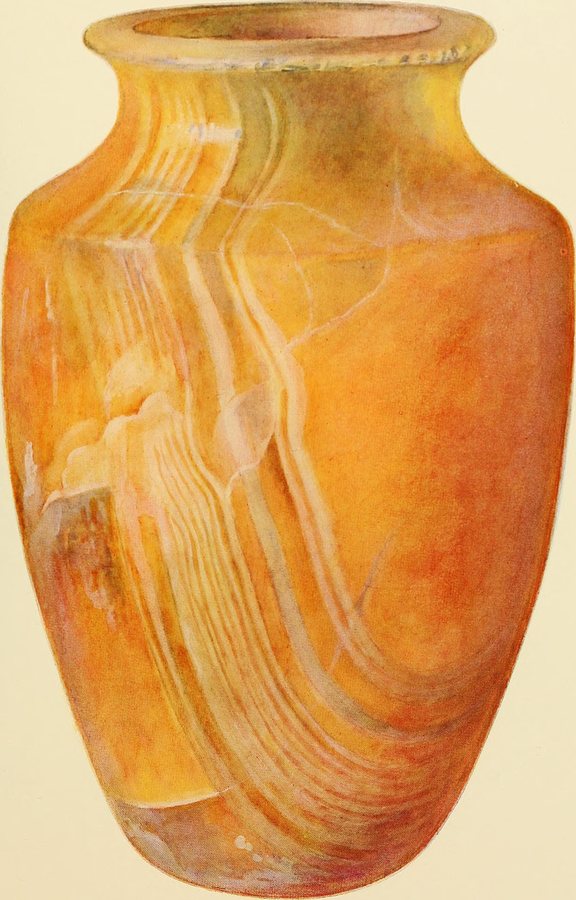
The find adds a personal dimension to the broader history of Roman frontier defense. While much of the archaeological record from this period consists of fortifications, coins, and inscriptions, the discovery of a single individual hiding with his weapons inside a storage jar brings the human cost of these conflicts into sharp focus. The man's decision to conceal himself in the dolium, a vessel typically used for storing wine, oil, or grain, speaks to the suddenness and severity of the danger he faced.
Further analysis of the skeletal remains and the artifacts recovered from the tower may yield additional details about the man's identity, health, and origin. The knives and belt will also be studied to determine their construction and possible place of manufacture. For now, the discovery stands as a poignant reminder of the violence that swept through the Roman Empire's borderlands during the late antique period.
102