Rising global temperatures driven by fossil fuel emissions are transforming the world's forests, wetlands, and tundra into sources of planet-heating gases, a new study has found. The research warns that these climate feedback loops could worsen global warming by as much as 30%, as natural systems that once absorbed carbon begin releasing it instead.
The study describes a cascade of changes already underway. In the high latitudes, permafrost is thawing, releasing methane and carbon dioxide that had been locked in frozen soils for millennia. Fiercer wildfires are burning through drying forests, turning trees from carbon sinks into carbon sources. Wetlands and lakes are warming, altering the microbial processes that regulate how much methane they emit.
Each of these shifts represents a feedback loop: warming triggers a release of greenhouse gases, which in turn drives further warming. The paper states that emissions from these natural sources are already worsening the climate crisis, and that the effect could add up to 30% to the heating caused by human activities.
The findings add urgency to efforts to cut fossil fuel emissions, because feedback loops are not fully accounted for in many current climate projections. If natural systems release more carbon and methane than expected, the emissions reductions required to meet global temperature targets would be steeper than currently planned.
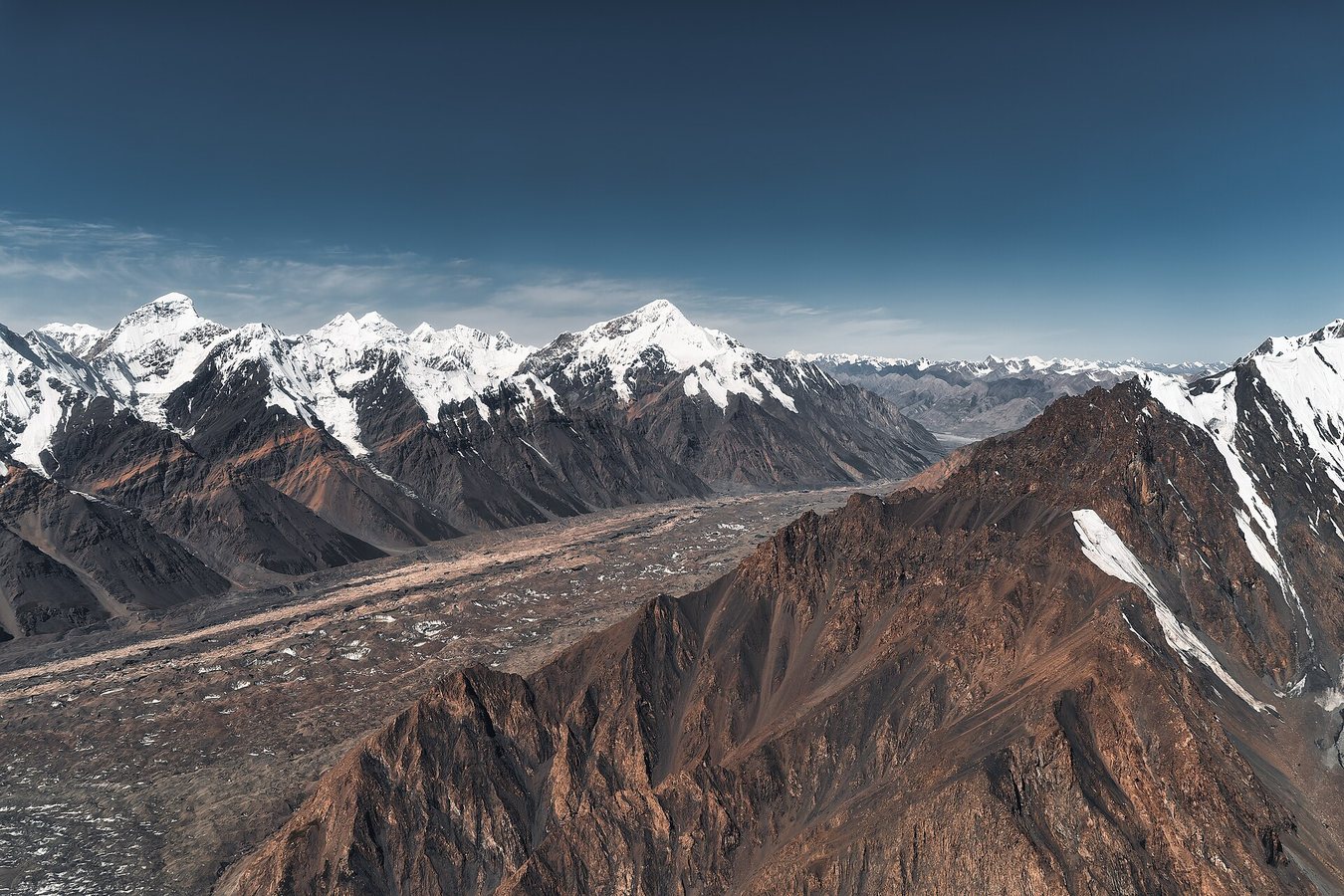
Scientists have long warned that the Arctic and boreal regions are particularly vulnerable. Permafrost covers vast areas of Siberia, Alaska, and northern Canada, holding organic matter that decomposes when it thaws. The resulting release of methane, a potent but short-lived greenhouse gas, and carbon dioxide, which persists for centuries, can accelerate warming in a self-reinforcing cycle.
Wildfires present a similar problem. As forests dry out, fires become more frequent and intense, burning not only trees but also the carbon-rich soils beneath them. The smoke and gases released during combustion add to the atmospheric burden, while the loss of forest cover reduces the land's capacity to absorb carbon in the future.
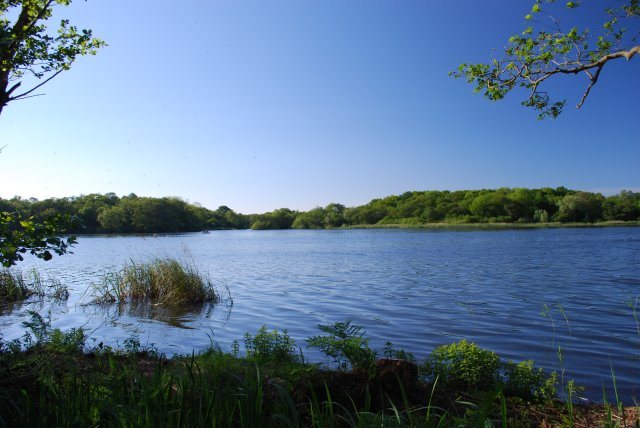
Wetlands and lakes are also changing. Warmer water temperatures can increase the rate at which microbes break down organic matter, producing methane. In some regions, thawing permafrost is creating new wetlands, which then emit methane, while in others, drying is turning wetlands into sources of carbon dioxide.
The study's authors emphasize that the 30% figure is not a worst-case scenario but a plausible outcome if current trends continue. They note that the exact magnitude of the feedback depends on how quickly temperatures rise and how ecosystems respond, with some regions potentially becoming net carbon sources sooner than others.
The research underscores the importance of monitoring natural emissions alongside human ones. Climate policies that focus only on fossil fuels may underestimate the total warming that societies will face, making adaptation planning more difficult.
For policymakers, the findings suggest that reducing emissions rapidly is even more critical than previously thought. Every fraction of a degree of warming avoided reduces the risk of triggering stronger feedback loops. The study also points to the need for better integration of Earth system observations, including satellite monitoring of permafrost, wildfire emissions, and wetland methane fluxes.
While the paper does not predict a specific timeline for when feedbacks might dominate, it concludes that the transformation of forests, wetlands, and tundra is already underway. The release of methane and carbon dioxide from these natural sources is no longer a distant possibility but a measurable contributor to the climate crisis.
The study adds to a growing body of research indicating that the planet's natural carbon sinks are weakening. As warming continues, the ability of land and ocean to absorb human emissions may decline, leaving more carbon in the atmosphere and accelerating temperature rise. The authors call for urgent action to cut greenhouse gas emissions and to protect ecosystems that still store large amounts of carbon.
195