A federal judge has struck down New York's landmark climate superfund law, ruling that the state cannot require major oil companies to pay for climate change mitigation and adaptation projects. Chief Judge Brenda Sannes of the US District Court for the Northern District of New York sided with Republican-led states and oil industry interests in her Monday decision, effectively blocking enforcement of the policy.
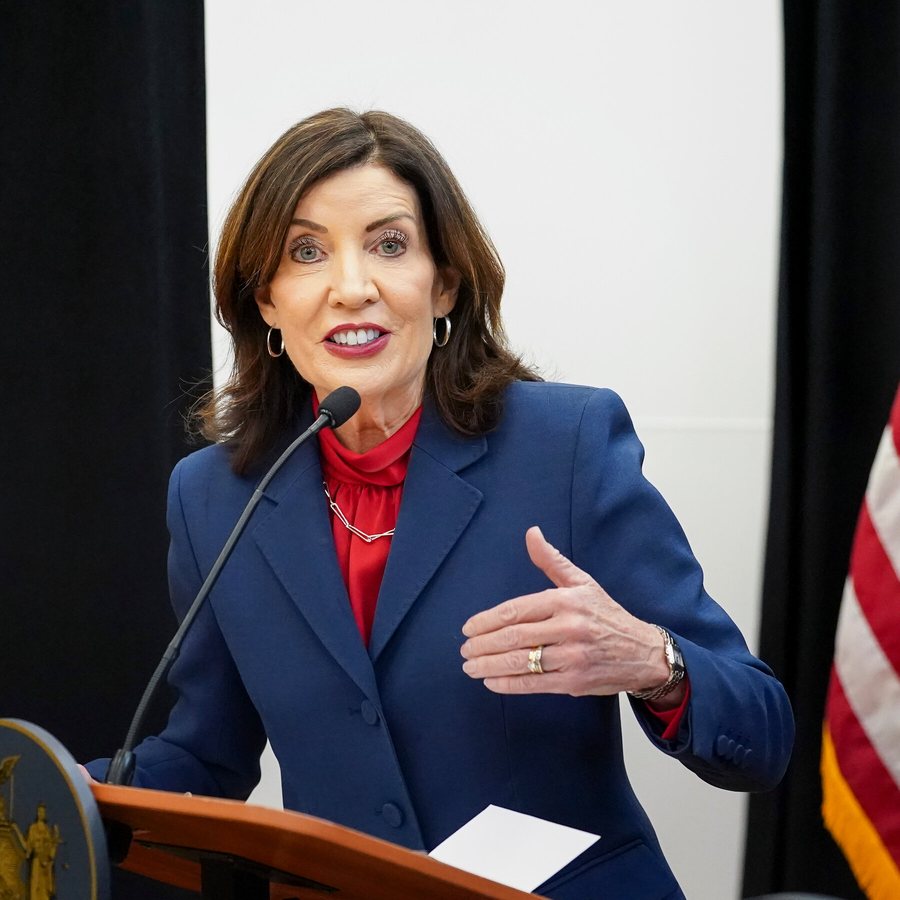
The law, signed by Governor Kathy Hochul in December 2024, was designed to hold large fossil fuel companies financially accountable for their contributions to climate change. Under the policy, oil companies would have been required to pay $75 billion over 25 years to fund projects aimed at helping New York cope with the effects of a warming planet, including infrastructure upgrades, flood protection, and other adaptation measures.
The ruling represents a significant setback for a legal strategy that several other states have been exploring. New York was among the first jurisdictions to adopt a climate superfund approach, which draws on the model of the federal Superfund program that holds polluters responsible for cleaning up hazardous waste sites. The concept has gained traction in recent years as states seek new ways to finance climate resilience efforts without relying solely on taxpayer dollars.
In her ruling, Judge Sannes determined that the state could not enforce the law, agreeing with arguments put forward by the plaintiffs that the measure overstepped legal boundaries. The case drew attention from across the country, with Republican-led states and oil industry groups opposing the law while environmental advocates and Democratic-led states supported it.
Governor Hochul's office has not yet announced whether the state will appeal the decision. Legal experts note that an appeal could take the case to a higher court, potentially setting the stage for a longer legal battle over the authority of states to impose climate-related costs on fossil fuel companies.
The decision does not erase the underlying policy debate. Proponents of climate superfund laws argue that fossil fuel companies should bear a share of the costs associated with the emissions their products have generated over decades. Opponents contend that such laws impose retroactive liabilities that are legally questionable and could lead to higher energy prices for consumers.
Several other states have introduced or considered similar legislation, and the New York ruling could influence how those efforts proceed. Lawmakers in other jurisdictions may now face greater legal uncertainty as they craft their own versions of climate superfund policies, or they may adjust their approaches to address the concerns raised in the court's decision.
For New York, the ruling leaves a gap in the state's climate financing plans. The $75 billion program was intended to support a wide range of projects, from coastal defenses to upgrades of roads, bridges, and water systems vulnerable to extreme weather. State officials will now need to identify alternative funding sources or revise the policy to withstand legal scrutiny.
The broader implications extend beyond New York. The case highlights the ongoing tension between state-level climate initiatives and the legal frameworks that govern them. As climate impacts intensify and the costs of adaptation rise, the question of who should pay remains unresolved, with courts increasingly playing a central role in shaping the answer.
109