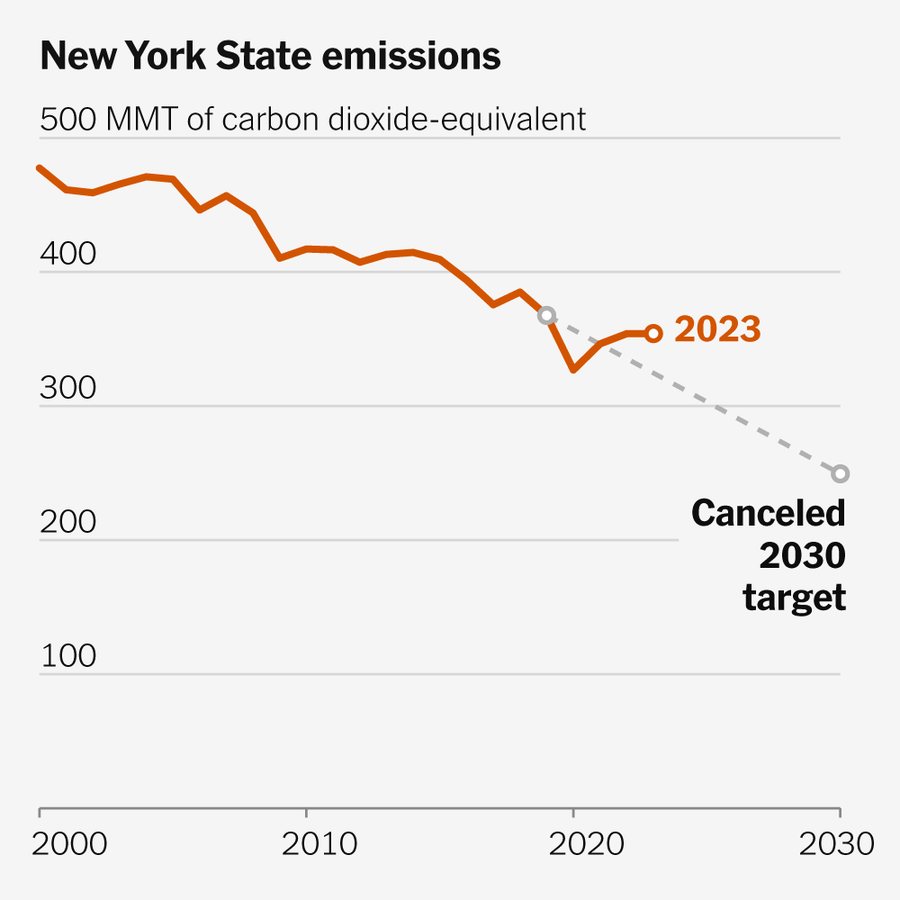
State governments across the United States are quietly retreating from the ambitious climate commitments they set just a few years ago, as the reality of looming 2030 deadlines collides with shifting political winds. Once-heralded emissions reduction targets, designed to position states as leaders in the fight against climate change, are now being revised, delayed, or abandoned altogether in a wave of pragmatic recalibration.
The trend marks a significant departure from the surge of climate legislation passed in the early part of the decade, when dozens of states adopted aggressive benchmarks for slashing greenhouse gas emissions. Those goals, often aligned with international climate accords, aimed to cut emissions by significant percentages by the end of the decade. Now, with that date fast approaching, many state officials are conceding that the targets were overly optimistic, while others face mounting political pressure from constituents and industry groups wary of the economic costs associated with rapid decarbonization.
Political anxiety is cited as a primary driver of the rollback. In several states, governors and legislators who championed climate action are now facing tough reelection battles, and opponents have seized on the potential for higher energy prices and job losses in fossil-fuel-dependent communities. This has led to a strategic retreat, with some states opting to extend their timelines or soften the specific percentage reductions required, rather than face the political consequences of missing legally binding goals.
The implications of these cutbacks extend far beyond state capitols. State-level policies have long been viewed as a critical testing ground for climate action, particularly during periods of federal inaction. The weakening of these commitments threatens to slow the overall pace of the nation's emissions reductions, potentially undermining the United States' ability to meet its international climate pledges. Environmental groups and policy analysts warn that the cumulative effect of these state rollbacks could be substantial, given that states collectively account for a significant portion of national emissions.
However, the picture is not uniformly bleak. While some states are pulling back, others are doubling down on their commitments, viewing the transition to clean energy as an economic opportunity rather than a burden. These states are investing heavily in renewable energy infrastructure, electric vehicle charging networks, and green manufacturing, betting that early action will yield long-term economic dividends. This divergence is creating a patchwork of climate policies across the country, with some regions accelerating toward a low-carbon future while others slow their pace.
The recalibration also reflects a broader national conversation about the feasibility and cost of the energy transition. Debates over grid reliability, the pace of renewable energy deployment, and the role of natural gas as a bridge fuel have become more prominent, complicating the straightforward narrative of emissions reduction that dominated earlier policy discussions. State officials are increasingly caught between the scientific imperative to act quickly and the practical and political challenges of transforming entrenched energy systems.
For now, the trend points toward a more fragmented and less certain path to meeting mid-century climate goals. The rollback of 2030 targets does not necessarily signal an abandonment of long-term climate action, but it does suggest that the timeline for meaningful emissions reductions may be slipping. As the deadline draws nearer, the gap between ambition and achievement is becoming a central challenge for state policymakers, forcing difficult choices about how to balance environmental goals with economic and political realities.
101