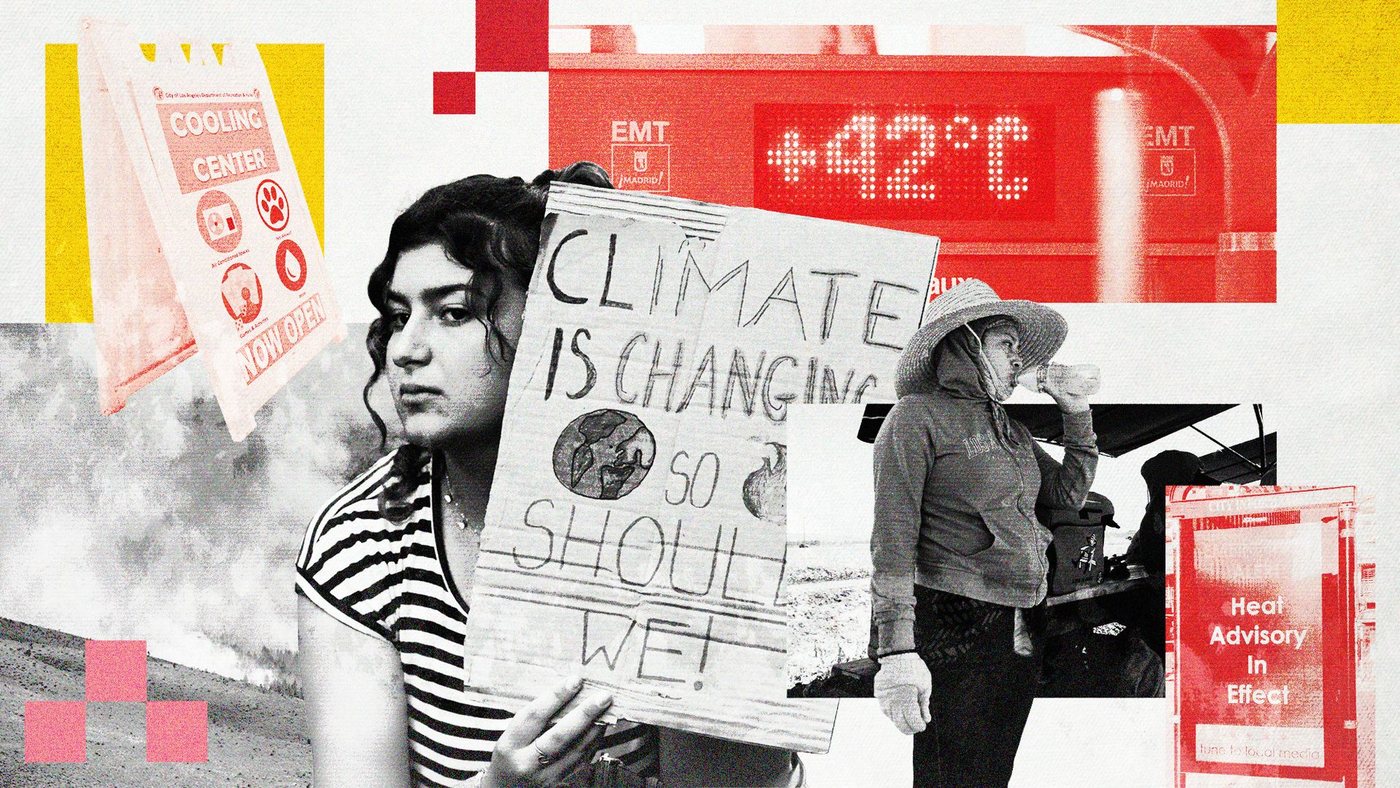
A climate change researcher is warning that a powerful «super El Niño» could push already stressed climate and ecological systems across a critical threshold, with consequences that may be difficult to reverse. The warning points to the growing concern among scientists that natural climate variability, when layered on top of global warming, could trigger sudden and severe shifts in the planet's ecosystems.
El Niño is a natural climate pattern that begins with an unusual warming of surface waters in the tropical Pacific Ocean. It is one of the most important drivers of year-to-year weather changes around the world. During an El Niño, some regions experience heavier rainfall and flooding, while others face heat and drought. A «super El Niño» refers to an especially strong version of the event, with much larger sea-surface temperature anomalies than in a typical episode.
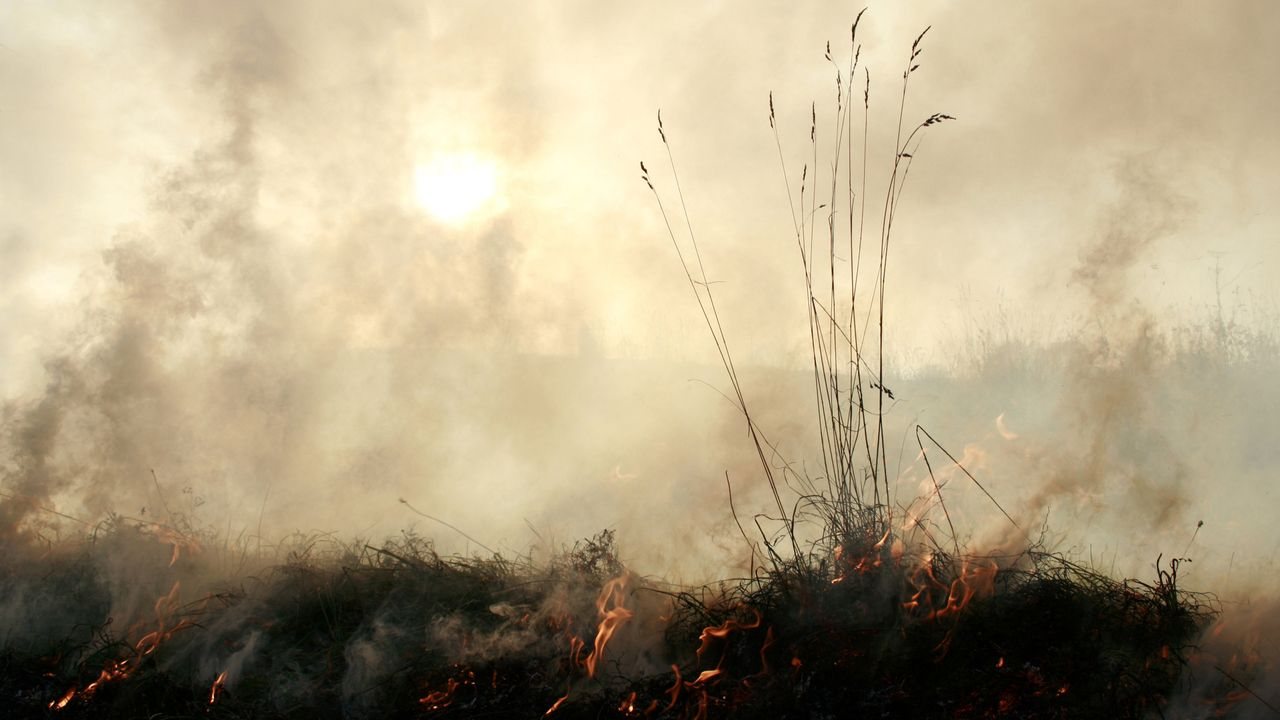
These events are not new, but they now unfold in a world that is already under pressure. Average global temperatures have risen due to greenhouse gas emissions, and ecosystems are coping with more frequent heat waves, prolonged droughts, wildfires, and habitat loss. According to the researcher, this existing stress leaves the climate system with less room to absorb an additional shock.
The central concern is the idea of a critical threshold, or tipping point. In climate science, this is the point at which a system changes state in a way that is abrupt, self-reinforcing, or difficult to reverse. Examples include the collapse of a major ice sheet, the dieback of the Amazon rainforest, or the widespread death of coral reefs. A single extreme event may not be enough to cause such a shift under normal conditions, but when the system is already weakened, the same event can have a much larger effect.
The researcher's warning suggests that a super El Niño could serve as the kind of trigger that tips one or more of these systems past their limits. That could in turn amplify warming, because natural systems that absorb carbon dioxide, such as forests and oceans, would be less able to continue doing so.
The broader message is one of caution. As the climate continues to warm, the combination of a strong natural event and long-term human-induced change becomes more dangerous. Scientists have repeatedly called for better monitoring of El Niño patterns and for more research into how natural variability interacts with climate change. The new warning adds to that call by emphasizing that the most extreme phases of natural cycles may now carry higher risks than they did in the past.
For policymakers, the possible effects matter well beyond the scientific community. If key ecosystems were to cross a critical threshold, the impacts would be felt in agriculture, water supplies, public health, and the global economy in ways that scientists are still working to understand. The researcher's statement is not a forecast of what will happen, but a reminder that the margin for error is shrinking.