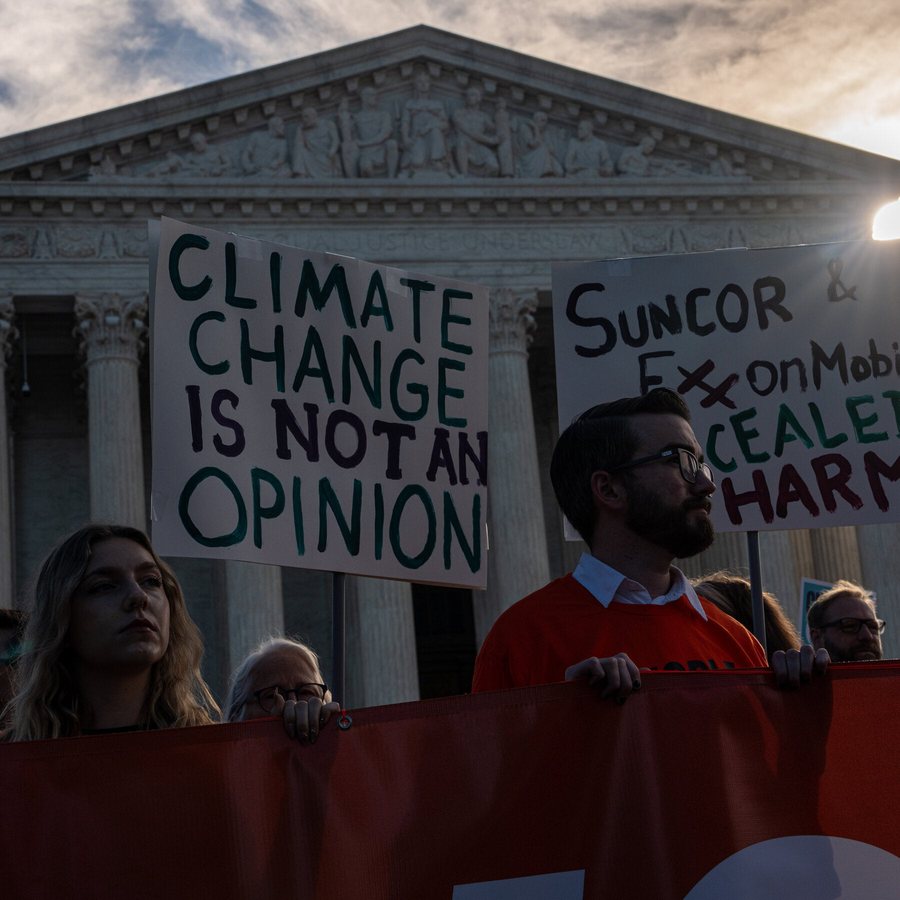
The U.S. Supreme Court is hearing arguments in a major climate change case that could determine whether communities can hold fossil fuel companies accountable for the effects of global warming. The case pits officials from Boulder, Colorado, against Suncor Energy and Exxon Mobil, two of the largest players in the oil and gas industry.
The dispute centers on whether the lawsuit, filed by Boulder and other Colorado communities, can proceed in state court or must be heard in federal court. The outcome could have broad implications for similar climate liability suits across the country, as municipalities and states seek damages from energy companies for climate-related harms such as wildfires, floods, and heat waves.
During the arguments, the justices appeared divided and tangled over procedural questions about jurisdiction. The case is one of several climate liability lawsuits that have been working their way through the courts, with industry defendants arguing that climate change is a global issue that should be addressed by Congress and federal agencies, not through state tort law.
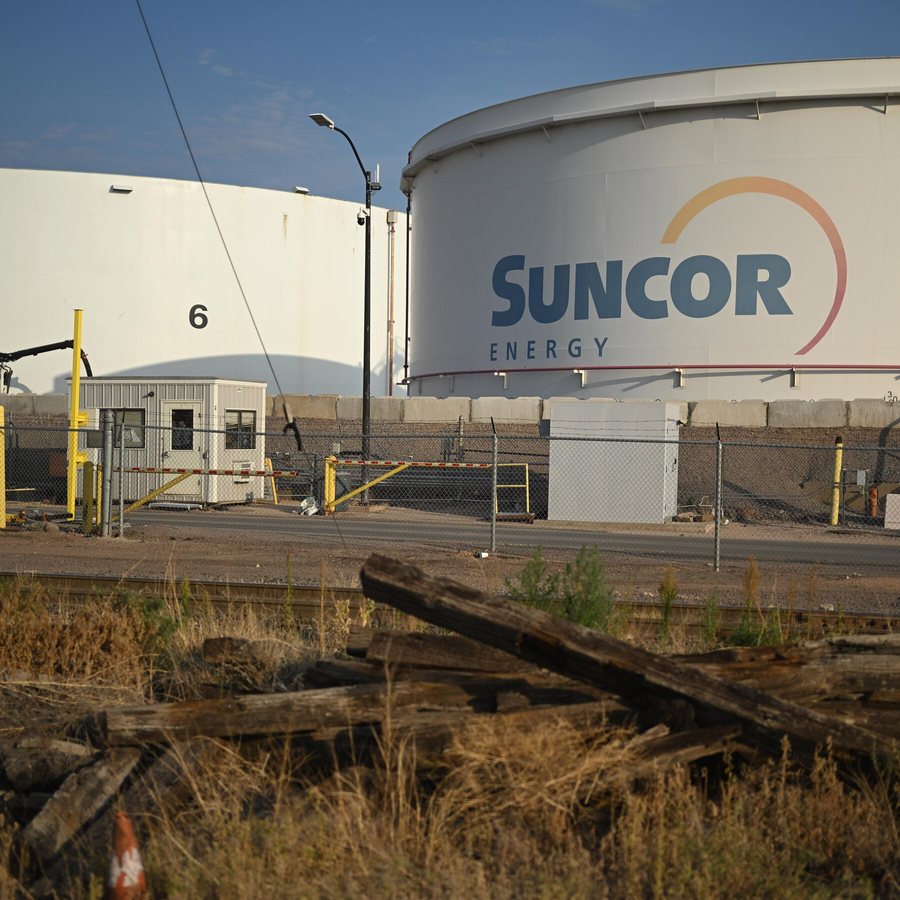
The Suncor Energy refinery in Commerce City, Colorado, is at the heart of the case. Boulder officials claim that the company’s operations have contributed to climate change, which has caused damage to the community. Exxon Mobil is also named as a defendant. The lawsuit seeks to hold the companies financially responsible for the costs of adapting to a warming climate.
The Supreme Court’s decision could set a precedent for how similar cases are handled nationwide. If the court allows the case to proceed in state court, it could open the door for other communities to file their own lawsuits. If the court sides with the companies, it could make it more difficult for such cases to move forward.
The case comes as climate litigation is gaining momentum globally. In Australia, a landmark ruling recently invalidated the approval of a coal mine expansion in New South Wales, setting a precedent for fossil fuel projects. That decision was described as a clear message that exported greenhouse gas emissions cannot simply be ignored.
In the U.S., the Supreme Court’s ruling in the Boulder case will be closely watched by both environmental advocates and industry groups. The justices are expected to issue a decision in the coming months. The case is one of the most significant climate-related disputes to reach the high court in recent years.
The legal battle also raises questions about the role of science in the courtroom. Climate scientists have provided evidence linking fossil fuel emissions to rising global temperatures and extreme weather events. The companies have argued that they should not be held liable for the actions of consumers who use their products.
As the arguments concluded, it remained unclear how the court would rule. The justices pressed both sides on the technicalities of jurisdiction and the appropriate venue for such claims. The decision could have lasting consequences for the future of climate accountability in the United States.
11